




Painted Plant Stand
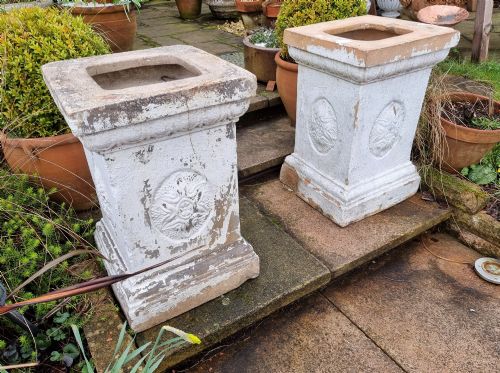
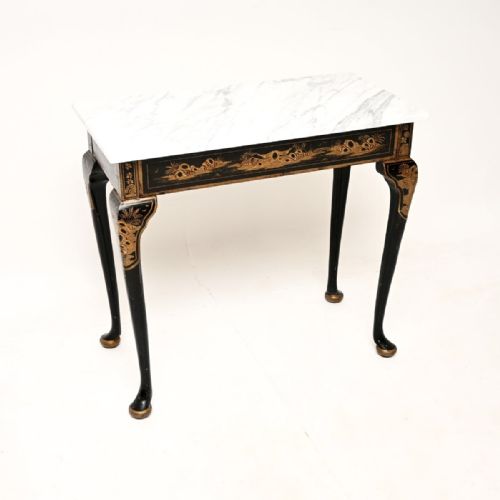
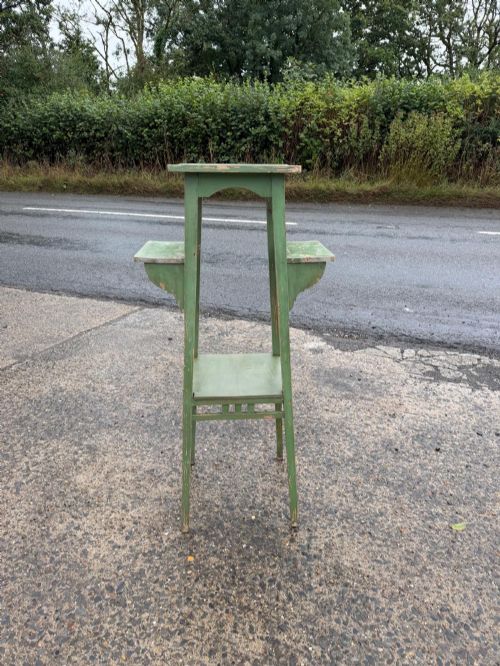
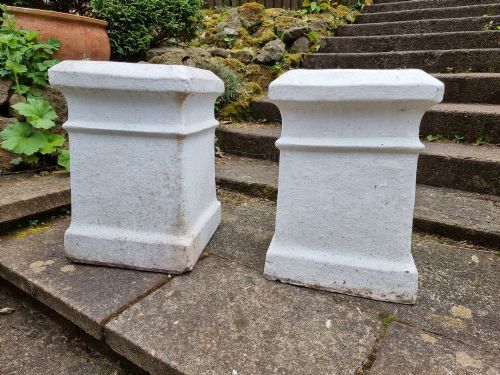
These painted plant stand examples bring interior and garden spaces to life, combining structural height with decorative colour.
Painted Plant Stand
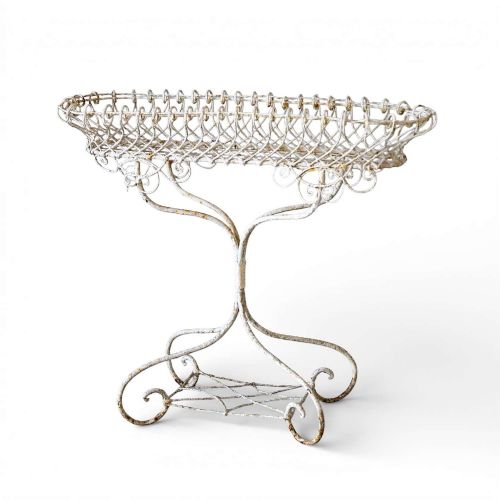
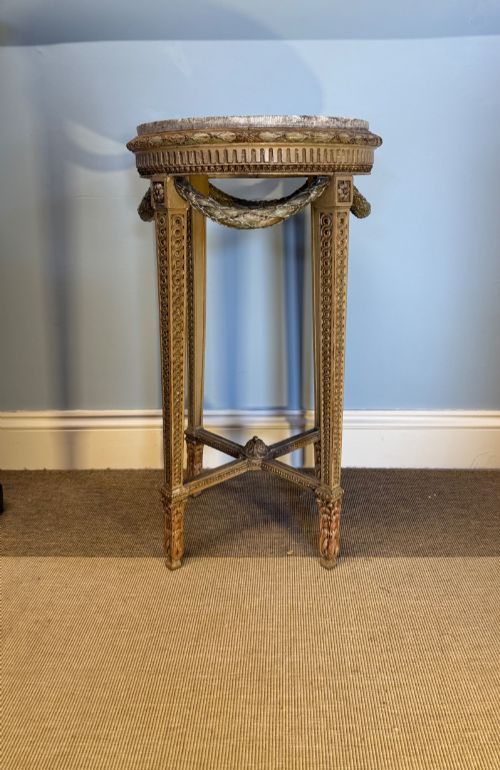
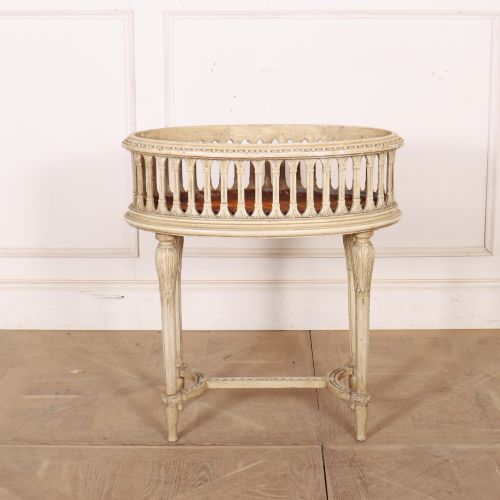
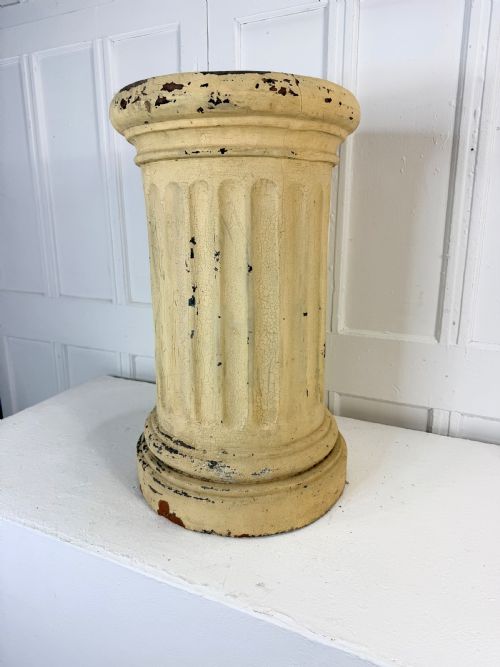
A painted plant stand serves as an elevated stage for greenery, floral displays, and decorative items within a room or garden. These pieces range from functional wirework tiers and sturdy iron holders to elegant wooden columns and pedestals.
The selections available here lean heavily into nineteenth-century designs, featuring Victorian ironwork, Edwardian satinwood pieces, and continental European styles. Buyers encounter everything from simple pine washstands repurposed as plant holders to ornate French and Anglo-Indian jardinières.
Form follows function across these examples, with tripod tables, tiered plant stands, and classical columns dominating the offerings. Each piece provides a distinct silhouette designed to showcase foliage or decorative ceramics at varying heights.
How they were made
Makers utilised a combination of timber, cast iron, and wrought iron to build these structures. Pine, oak, mahogany, and satinwood form the wooden bases, whilst wirework and forged iron provide the robust frames needed for holding heavy pots.
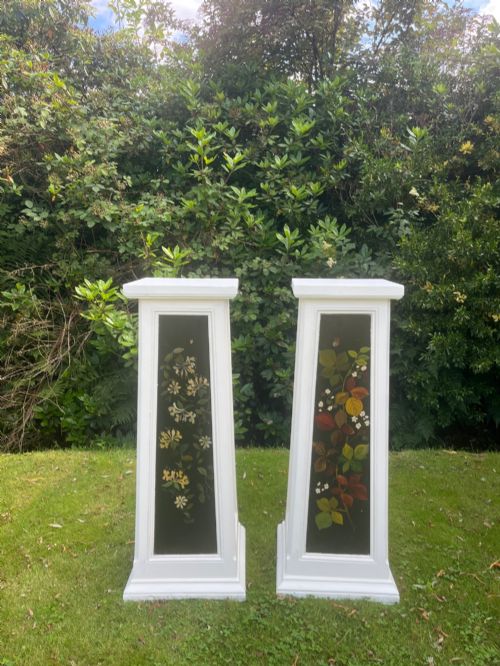
Surface decoration relies on applied paint, lacquer, and original grain finishes, often accompanied by hand-painted floral motifs or faux marble effects. Techniques such as Vernis Martin and parcel-gilding appear on more decorative examples, adding depth and sheen to the surfaces.
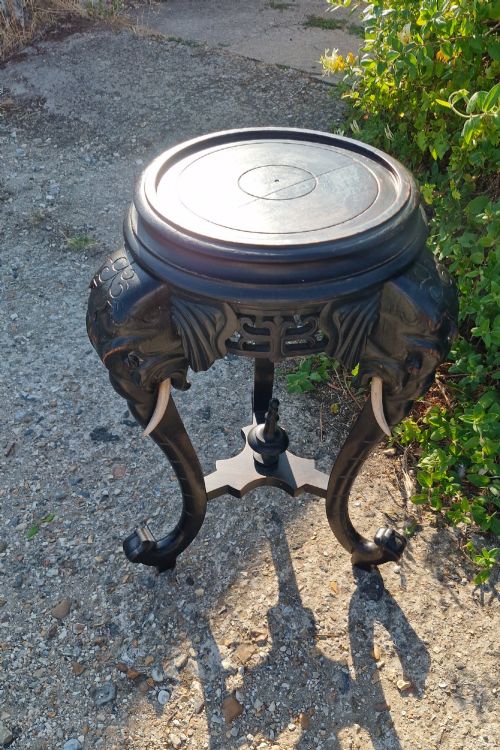
Several elephants made of wood and clay stand ready to hold your plants.
What varies in quality
The integrity of the original paint finish separates standard examples from exceptional pieces. Retained surface patination and untouched decorative brushwork hold greater appeal than later overpainting.
Construction methods and material selection dictate the structural standard. Hand-forged scrollwork, detailed carved wood elements, and integrated marble tops indicate a higher grade of craftsmanship compared to mass-produced alternatives.
Dunfermline Clay Company·Minton·Burmantofts
The Painted Plant Stand Glossary
- Jardinière
- An ornamental pot or stand for holding plants or flowers. These items often feature decorative painted porcelain plaques or intricate iron scrollwork.
- Torchiere
- A tall standing lamp or decorative pedestal. In garden and interior contexts, these function as elevated stands for display.
- Vernis Martin
- A type of simulated Japanese lacquer developed in eighteenth-century France. The technique produces a translucent, highly polished decorative surface.
- Wirework
- Metal strands bent and welded into supportive grid structures. This technique defines many nineteenth-century plant stands designed for tiered display.
Painted Plant Stand: Frequently Asked Questions
Where should I place a plant stand?
These pieces suit corners of living rooms, hallways, and protected conservatory spaces where they elevate greenery to eye level.
Outdoor iron and wirework variants perform well on patios or garden terraces when protected from harsh winter elements.
Can I use these outdoors?
Wrought iron and cast iron variants tolerate garden environments, particularly when protected with appropriate weather coatings.
Wooden and lacquered examples remain better suited to indoor settings to preserve their decorative painted finishes.
How do I clean a painted finish?
Dusting with a dry, soft cloth maintains the surface without disturbing delicate nineteenth-century paint layers.
Moisture and modern chemical cleaners should be avoided on antique painted or lacquered surfaces to prevent lifting.
What periods do these pieces span?
The selection encompasses eighteenth-century pottery stands alongside nineteenth-century Victorian and Edwardian ironwork and wood.
Later twentieth-century examples from the nineteen-twenties and thirties also appear among the offerings.