
Carved Wood Plant Pedestal
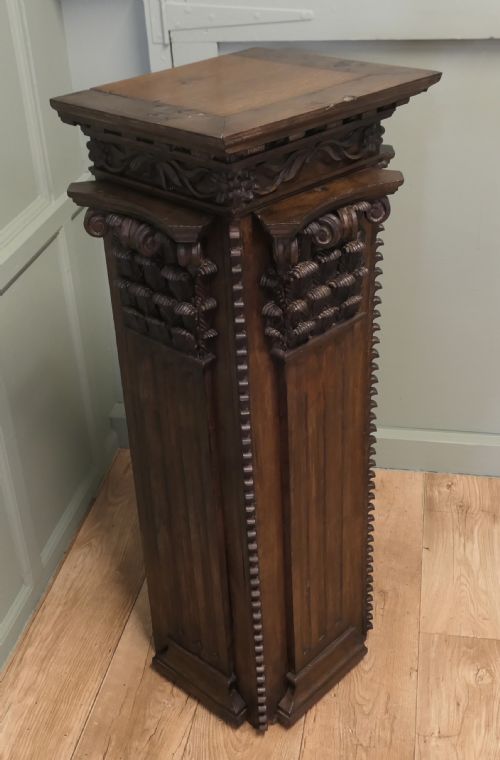
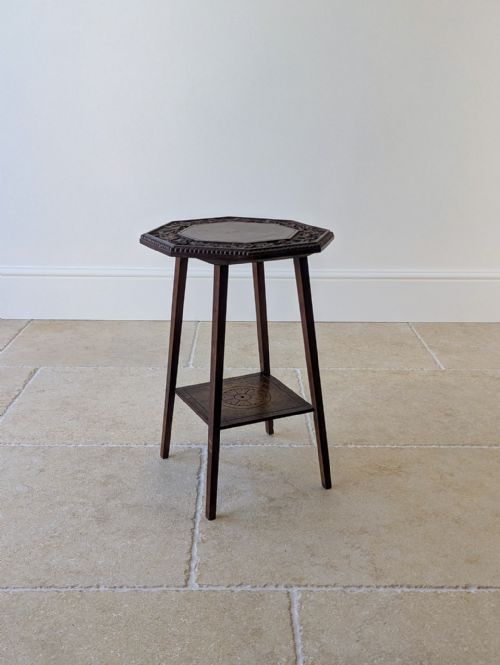
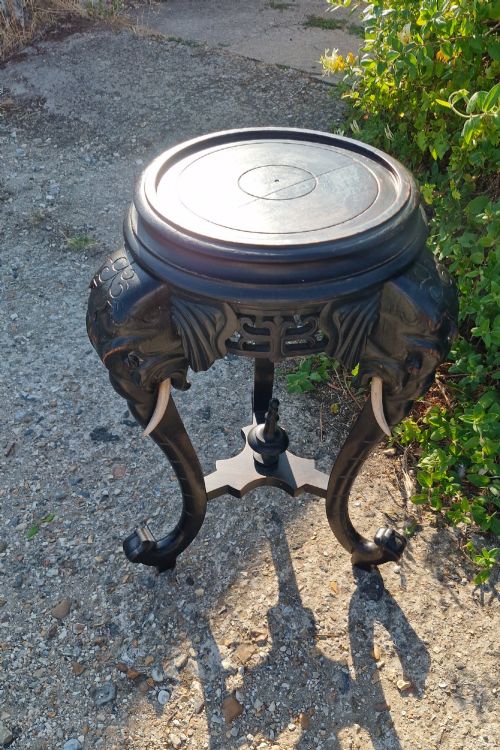
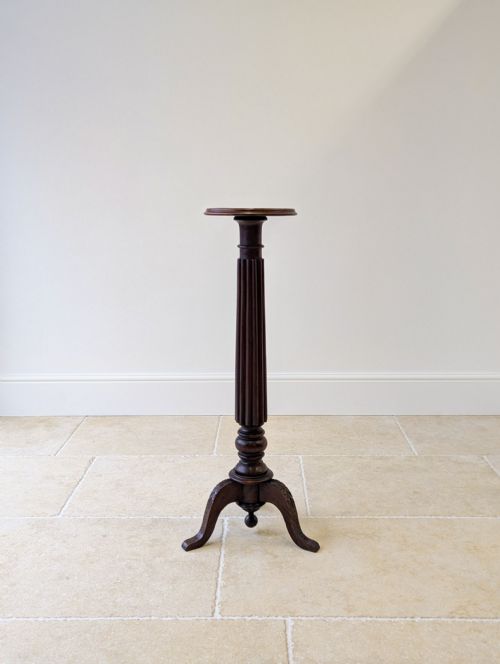
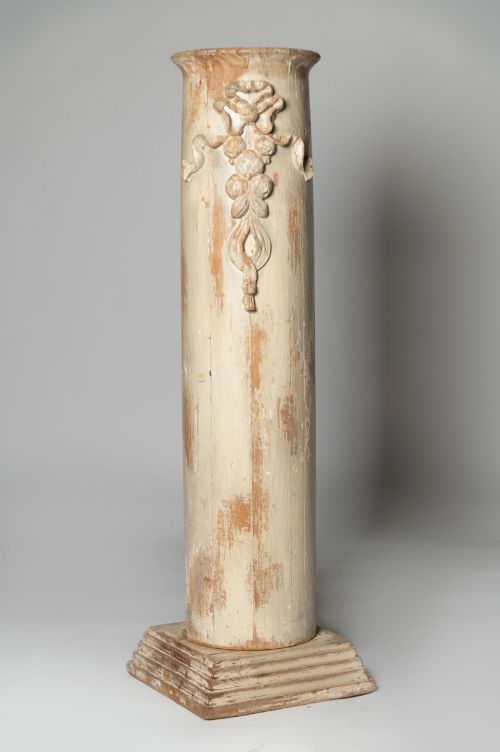
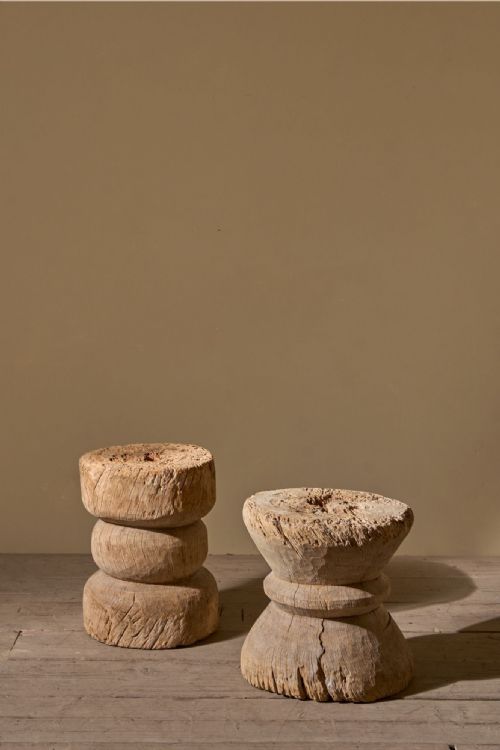
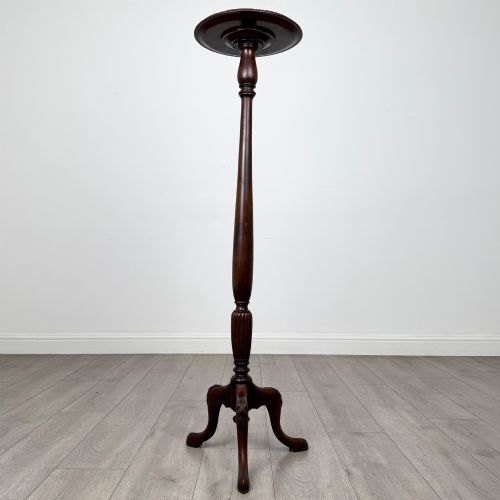
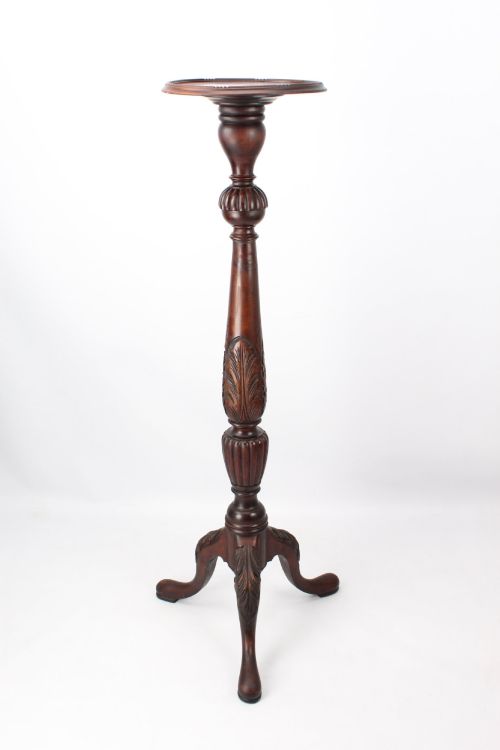
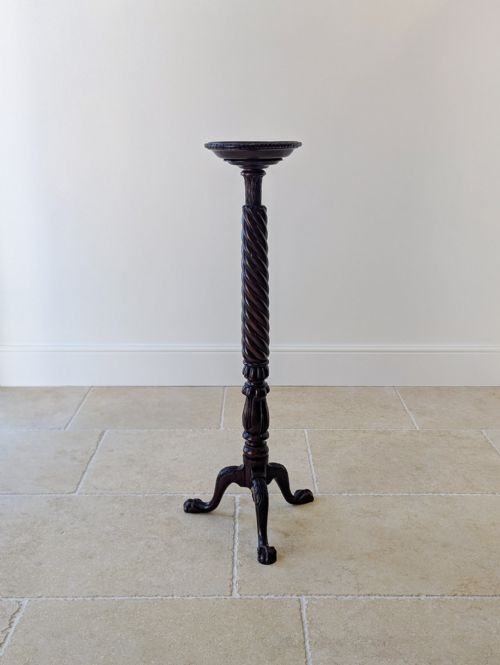
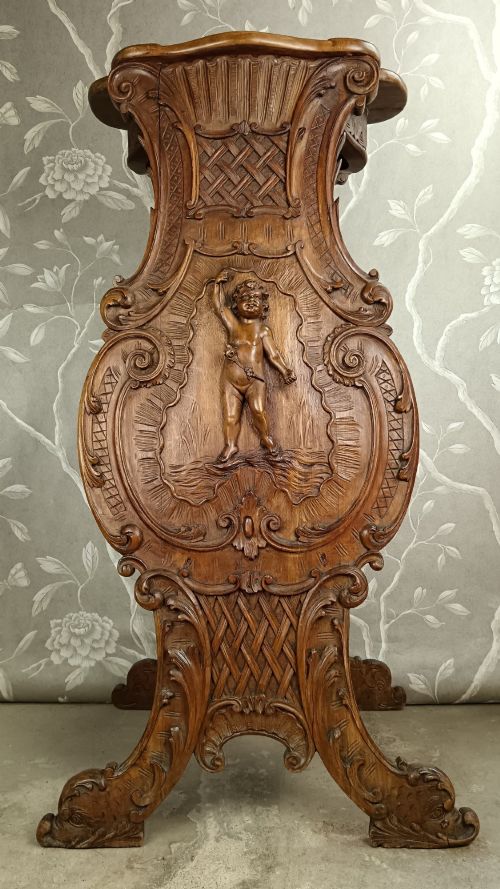
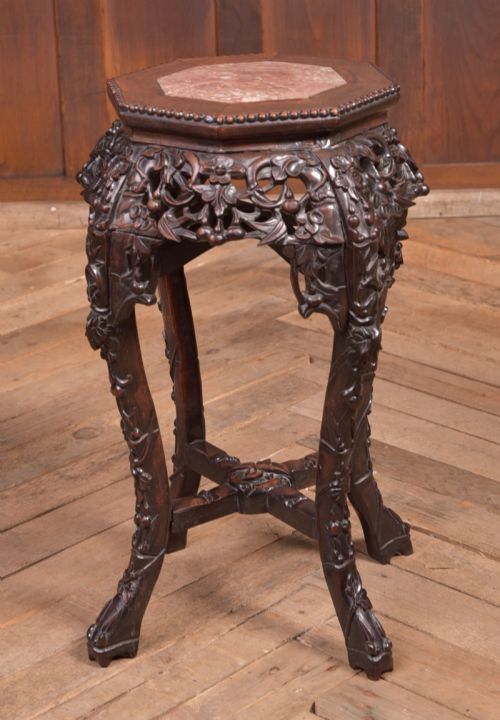
These carved wood plant pedestal pieces elevate greenery and sculpture, bringing structural height and rich texture to an interior.
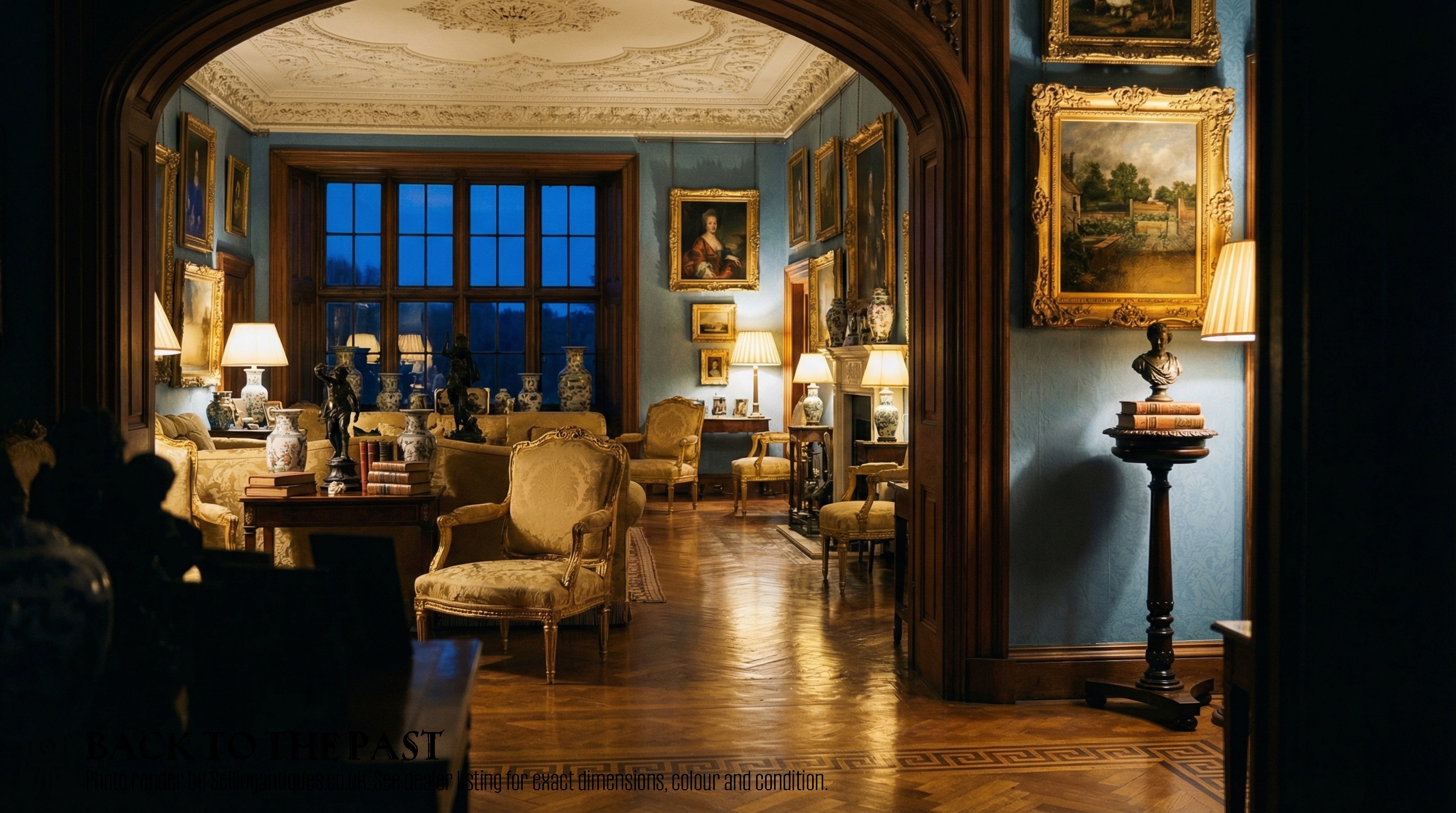
Materials and Construction Techniques
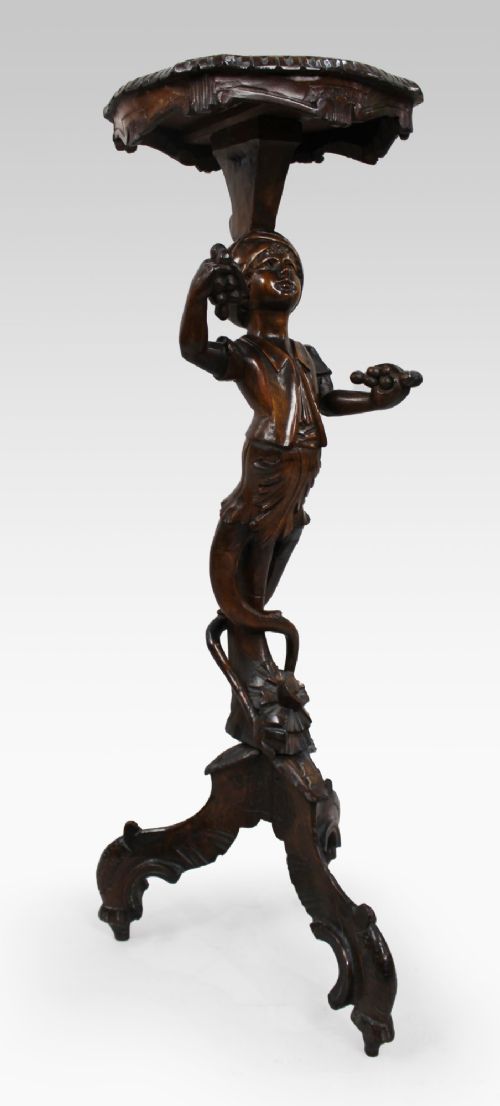
Craftsmen utilised dense timbers such as mahogany, walnut, rosewood, and oak to withstand the vertical weight demands of heavy plants and stone inserts. Turning lathes shaped central columns, whilst hand chisels executed intricate foliate, figural, and geometric surface carving.
Joinery methods relied on sturdy tenons, dowels, and threaded wooden screws to stabilise tall upright shafts atop tripod or multi-footed bases. Surface finishes ranged from polished French polish and natural wax to applied green paint, lacquer, and polychrome detailing.
Distinctions in Quality
Structural stability depends on the proportion between the top surface, the central shaft, and the supporting base. Heavier woods combined with balanced marble inserts or weighted tripod legs provide enduring rigidity.
Period origins span the Victorian, Edwardian, and Georgian Revival eras alongside Chinese export and Anglo-Indian traditions.
Liberty of London
The Carved Wood Plant Pedestal Glossary
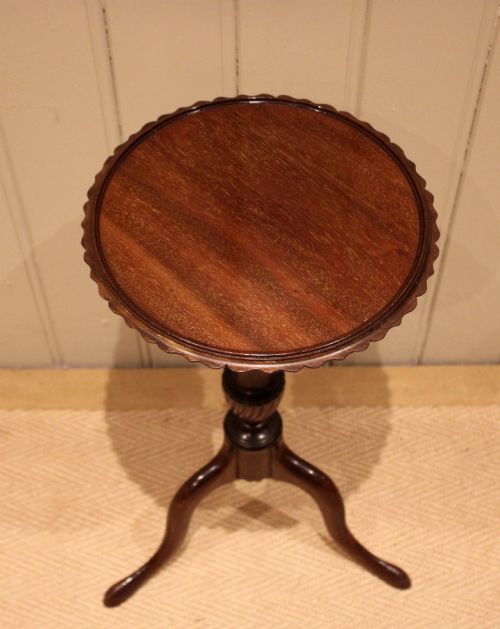
- Torchère
- A tall, slender stand designed specifically to hold a light source or a decorative plant. This form gained prominence during the eighteenth century and remained popular throughout the Victorian period.
- Jardiniere
- A decorative receptacle or stand intended for holding plants or flowers. These items often feature waterproof liners or integrated marble tops to handle moisture.
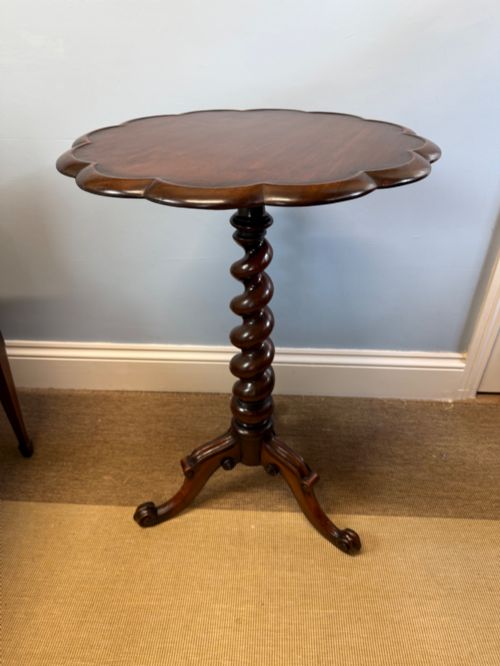
- Barley twist
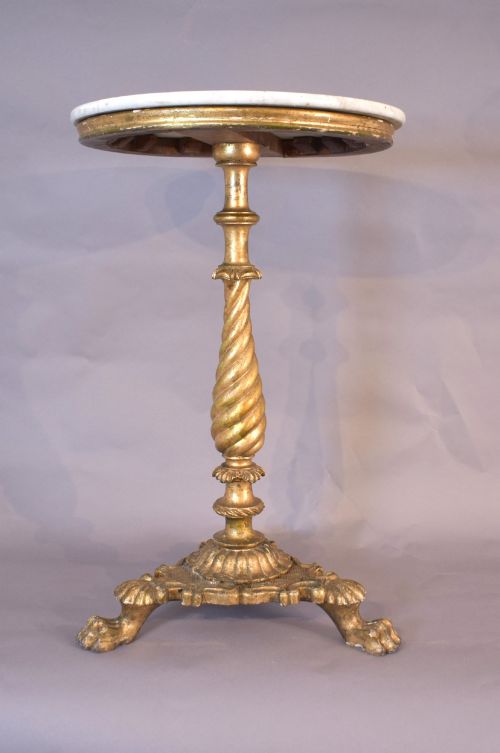
- A structural column or leg carved in a helical spiral resembling twisted barley sugar. This decorative turning technique appears frequently on nineteenth-century walnut and oak furniture.
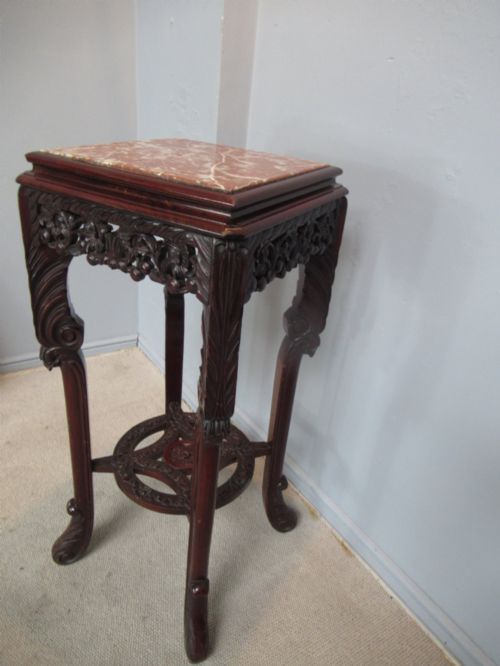
- Marble-top
- A stone slab fitted into the upper surface of a stand to provide a durable, heat-resistant display area. This feature frequently appears on Chinese export and continental European pieces.
- Occasional table
- A small, versatile table used for subsidiary purposes within a room, such as holding a lamp or small plant. These pieces move easily to different locations.
Carved Wood Plant Pedestal: Frequently Asked Questions
How do I style a plant pedestal?
Position a pedestal in an empty corner, beside a seating arrangement, or framing a doorway to introduce height and natural texture. Ensure the weight of your plant or object matches the stability and surface area of the top.
Pairing contrasting timber tones or placing a marble-topped stand against plain walls highlights the detailed carving. These pieces work well independently or as symmetrical pairs flanking a fireplace.
How do I identify Victorian pieces?
Victorian stands typically display dense hardwoods like mahogany and walnut, often featuring revival styles such as Chippendale or robust carved details like grapevines and barley twists. Construction methods involve heavy turned shafts and solid multi-legged bases.
Examination of the underside and joint construction reveals period hand-tool marks and older fixings. The presence of natural ageing in the timber grain and polish helps confirm nineteenth-century origins.
Are marble top stands fragile?
The marble inserts on these stands are heavy stone slabs fitted directly into wooden frames, offering a durable and stable surface for damp flower pots. While the stone itself withstands moisture, the surrounding wood requires standard care to avoid water staining.
Lift the marble carefully if maintenance underneath is required, as these inserts are usually drop-in pieces rather than permanently fixed. Regular waxing keeps the surrounding carved wood protected.