
Painted Linen Cupboard
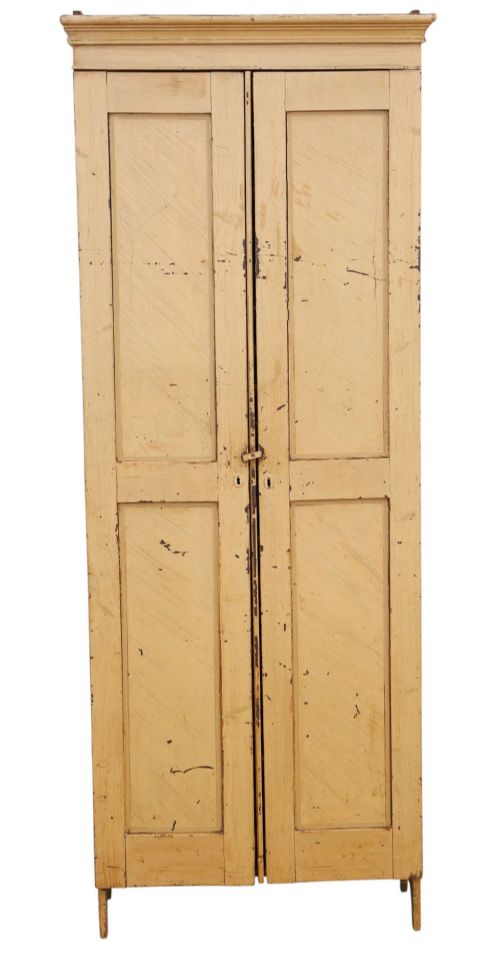
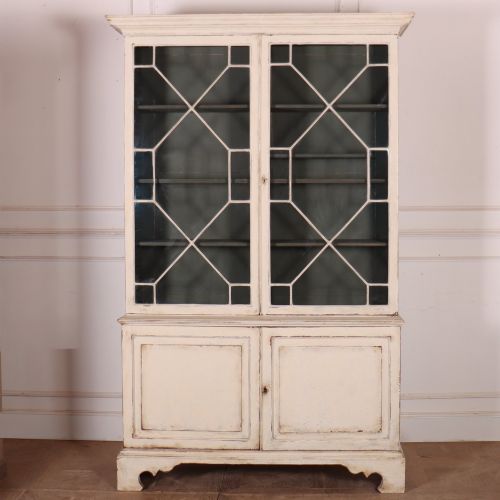
When you search for a painted linen cupboard, you encounter substantial storage furniture decorated in period pigments, offering generous internal capacity for domestic textiles.
Painted Linen Cupboard
A painted linen cupboard serves as a substantial storage vessel for household textiles, garments and domestic goods. These pieces appear across Georgian, Victorian and earlier centuries, originating from English country workshops as well as French, Swedish and Dutch households.
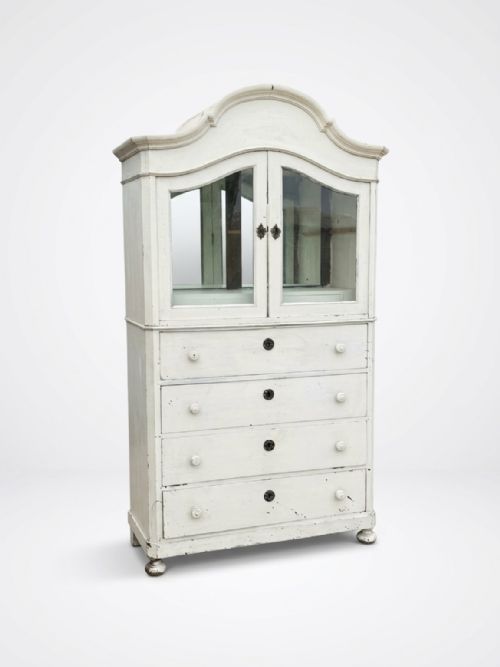
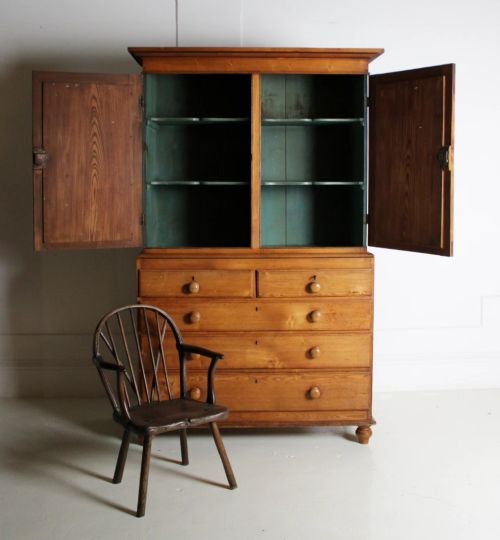
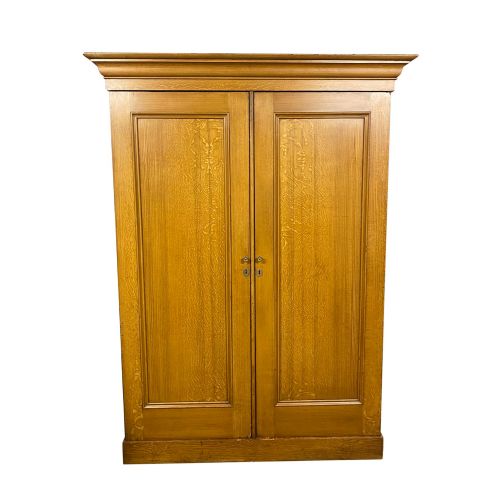
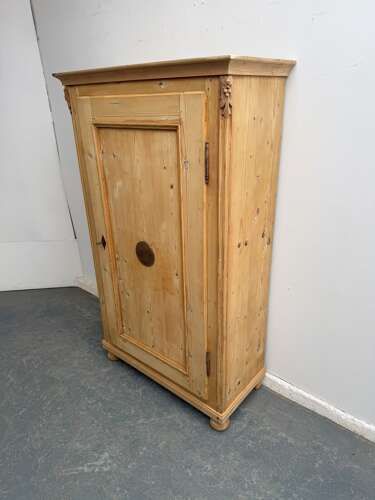
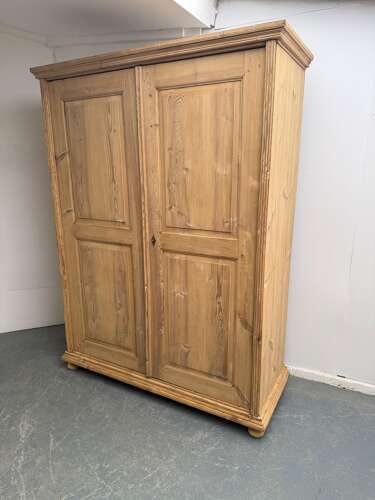
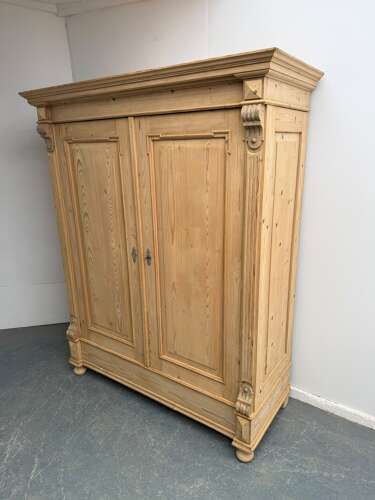
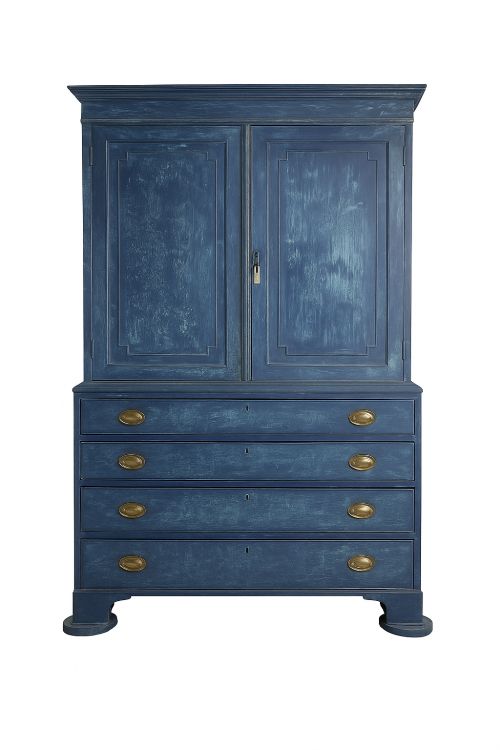
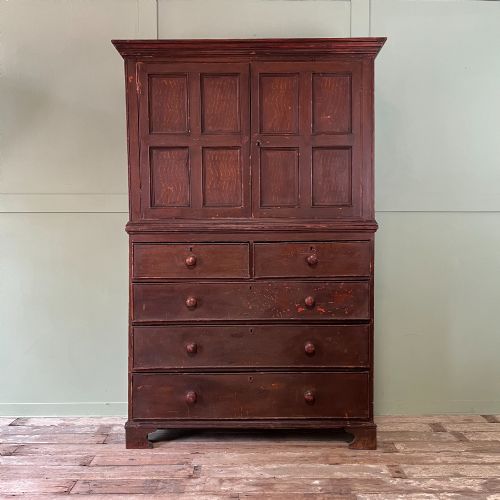
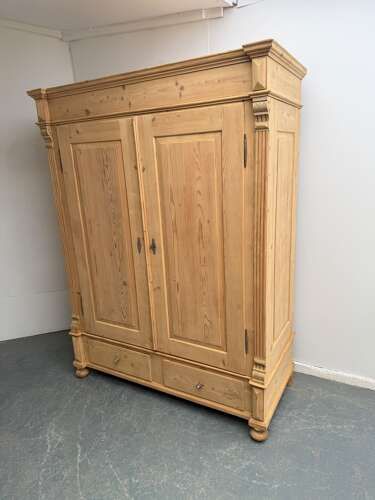
The form encompasses tall housekeeper cupboards, linen presses with sliding trays, compactum wardrobes and two-door storage units. Buyers frequently encounter pine examples finished in historic coats of paint, alongside regional variants featuring glazed doors or arched mouldings.
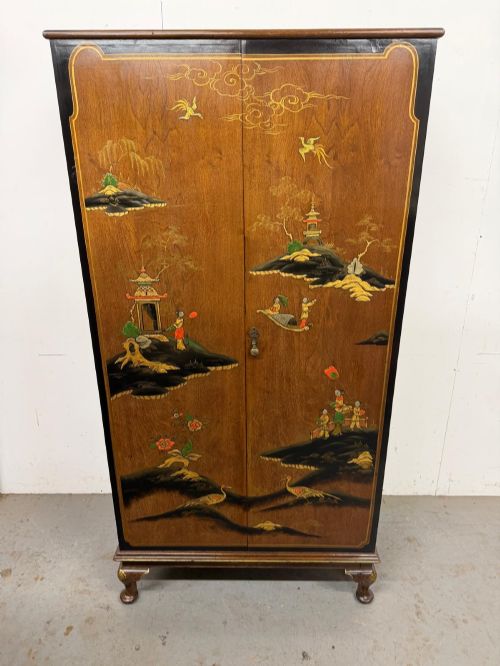
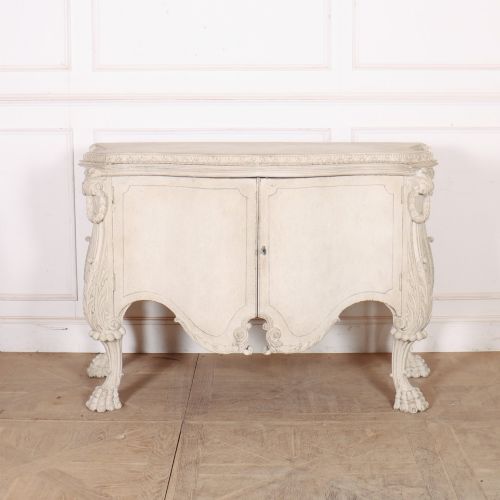
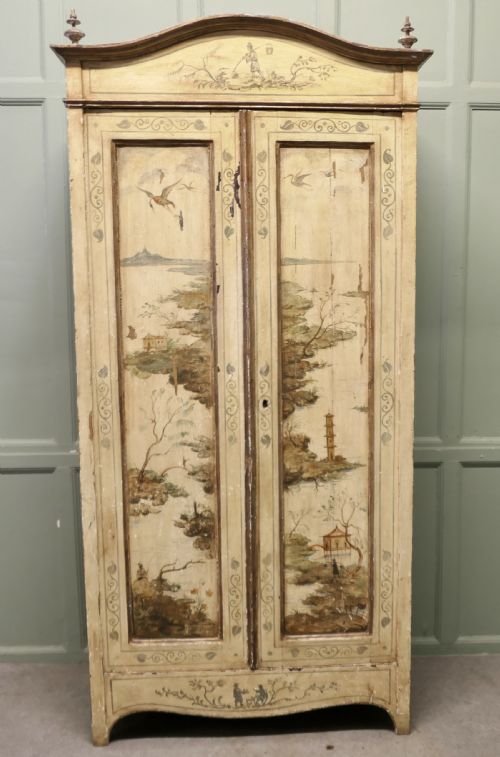
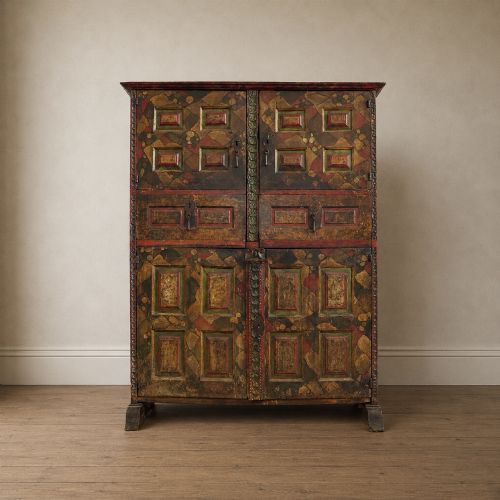
Beyond standard domestic storage, the category extends to marriage cabinets and armoires decorated with lacquer or polychrome pigment. Regional proportions vary from narrow utility cupboards to wide architectural presses designed for substantial country houses.
Materials and construction methods
Constructed predominantly from solid pine, ash, elm or satinwood, these carcases rely on traditional joinery including panelled doors and pegged frames. Many Victorian and Georgian examples utilise knockdown construction to facilitate movement between rooms.
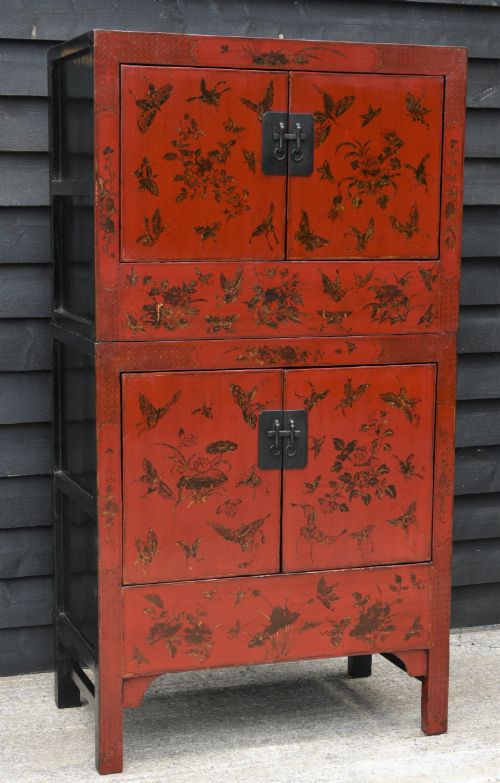
Surfaces are finished with layers of historic paint, scumble glaze, or red lacquer incorporating outdoor scenes and decorative motifs. Iron and brass hardware such as hinges, latches and locks secure the heavy timber doors.
The listings span pine, ash, elm, iron, brass and lacquer, covering periods from the 17th century through the Georgian and Victorian eras to the 1930s.
Distinguishing quality in period storage
Quality rests in the survival of original surface finishes, where untouched layers of period paint or scumble work distinguish pieces from later industrial stripping. The crispness of carved mouldings, panel proportions and the integrity of internal shelving or linen slides separate utilitarian pieces from finer cabinet work.
Structural honesty defines the better examples, evidenced by original iron or brass furniture and unaltered timber carcases that retain their balance and weight without sagging.
The Painted Linen Cupboard Glossary
- Linen press
- A large storage cabinet containing sliding trays or shelves in the upper section for folded textiles, paired with drawers below.
- Scumble paint
- A decorative surface technique where a translucent glaze is manipulated over a pale ground to simulate the grain of more costly timbers like oak.
- Compactum wardrobe
- A fitted multi-compartment wardrobe combining hanging space, drawers and shelving within a single unified carcase.
- Polychrome
- Decoration employing multiple distinct colours applied to wood surfaces, often seen in Spanish and continental European vernacular pieces.
- Bonnet top
- An arched or curved upper architectural moulding characteristic of 19th-century cabinets and wardrobes.
Painted Linen Cupboard: Frequently Asked Questions
How were these cupboards used historically?
Households utilised these large pieces primarily to store household linens, freshly laundered garments and woollen blankets away from domestic dust and dampness.
In larger country houses, housekeeper presses functioned as central stations for managing household inventory and issuing textiles to staff.
How do I identify original paint?
Original painted surfaces display natural craquelure, subtle softening around frequent touch points, and multiple underlying historic layers visible through minor surface chips.
Modern synthetic emulsions sit flat and uniform, whereas period lead or milk paints penetrate the timber grain over centuries.
Where should I place a large cupboard?
These tall pieces require solid, level flooring and adequate wall clearance to support their heavy timber frames and swinging doors.
Positioning them away from direct heat sources prevents timber shrinkage and protects fragile historic paint layers from cracking.