
Vintage Painted Storage Cabinet
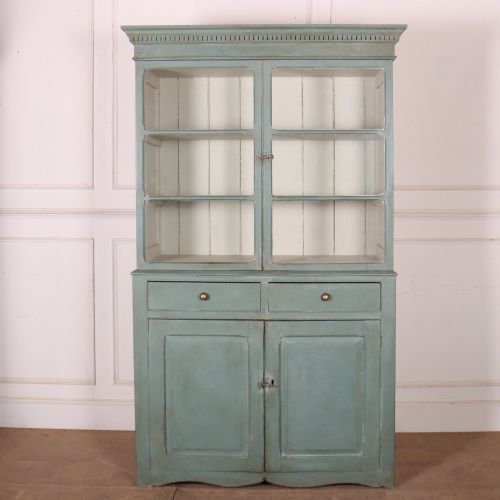
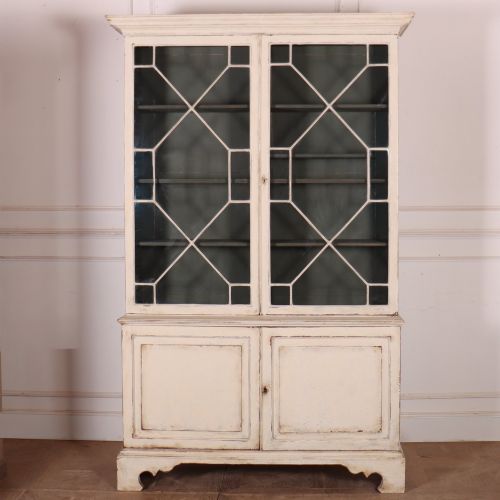
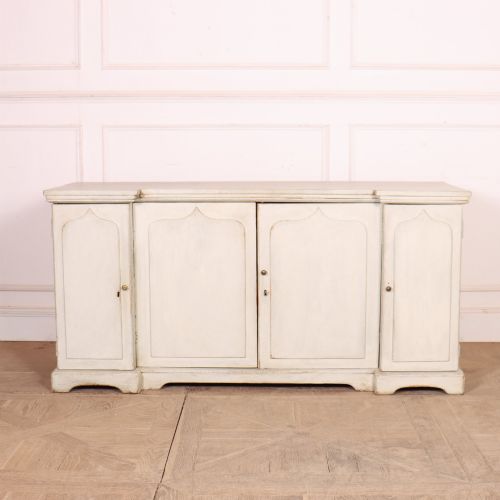
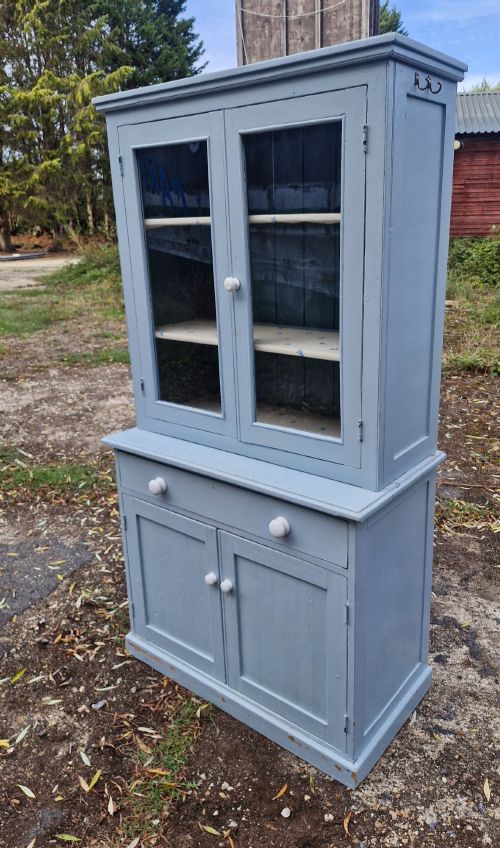
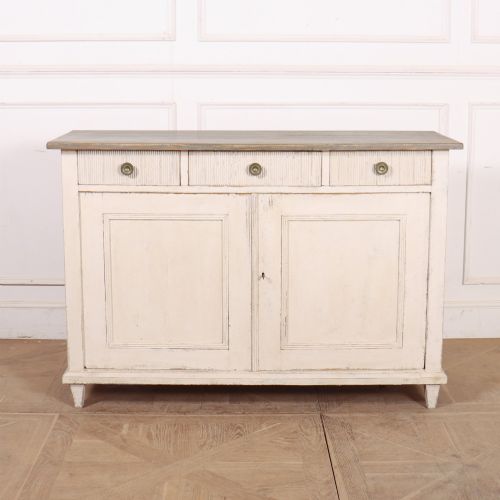
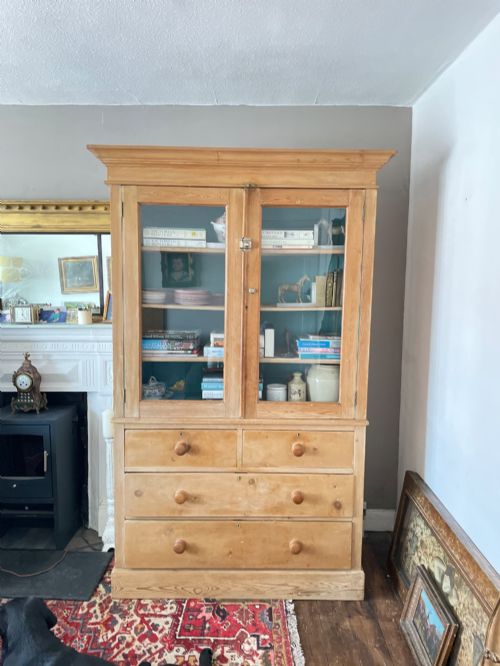
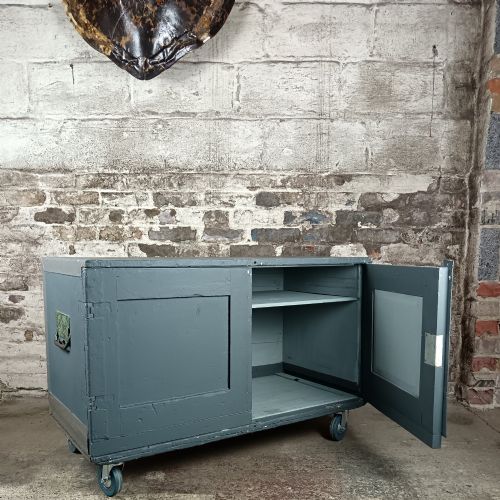
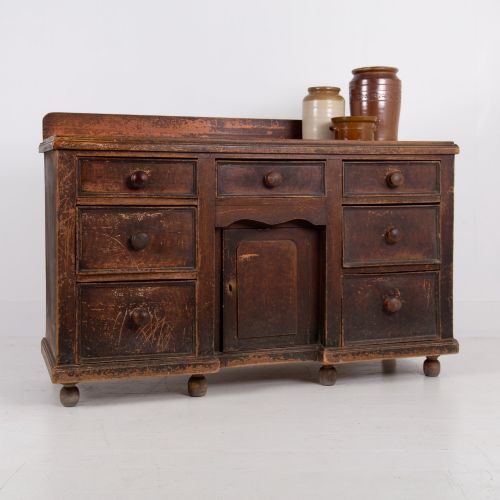
A vintage painted storage cabinet brings practical utility and enduring colour to a room, spanning useful kitchen dressers to grand glazed bookcases.
Vintage Painted Storage Cabinet
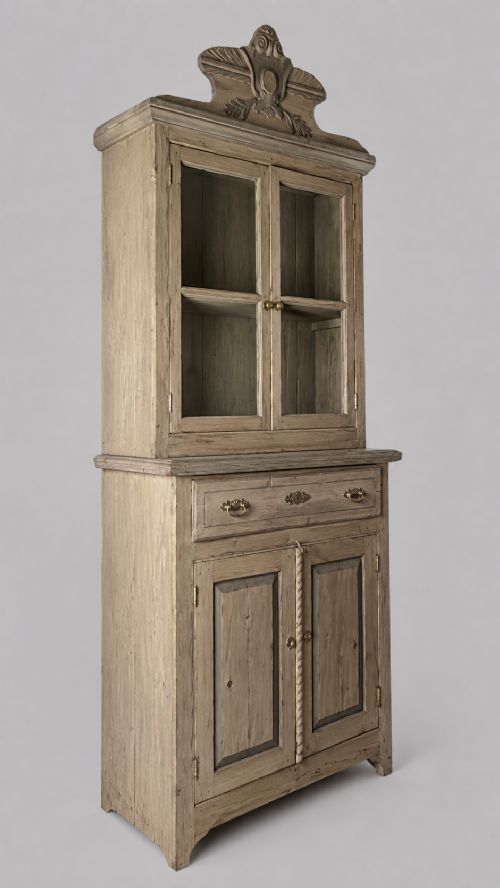
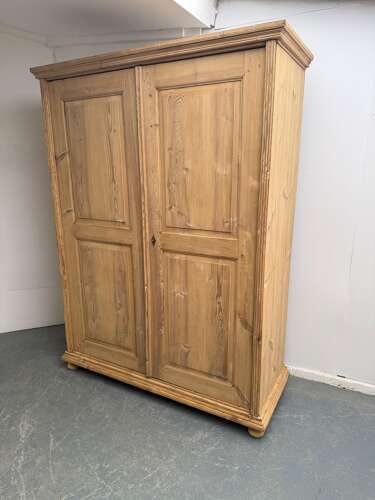
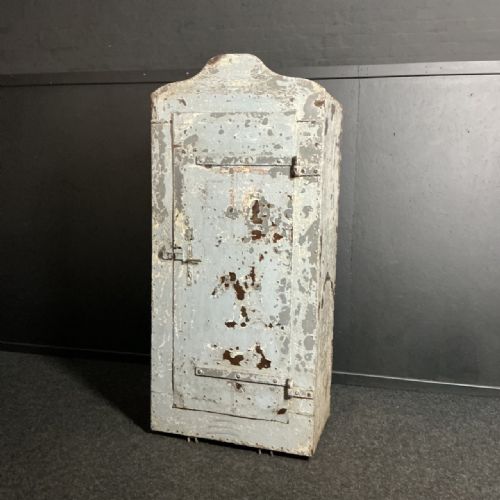
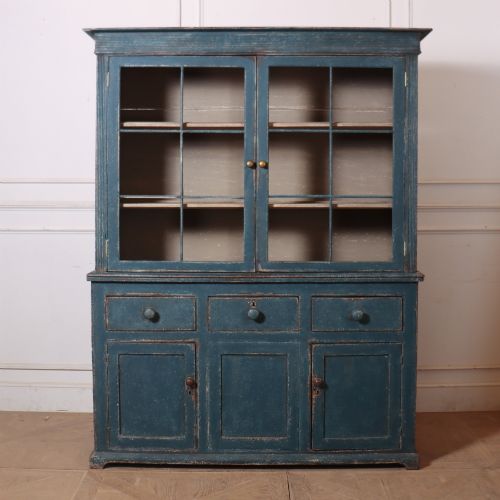
A vintage painted storage cabinet encompasses a diverse range of functional utility furniture, from tall Victorian pine wardrobes and housekeepers cupboards to French confituriers and Indian almirah storage cabinets. Buyers seeking these pieces encounter an array of regional vernacular styles, including English country dressers, Scandinavian linen cupboards, and continental side cabinets.
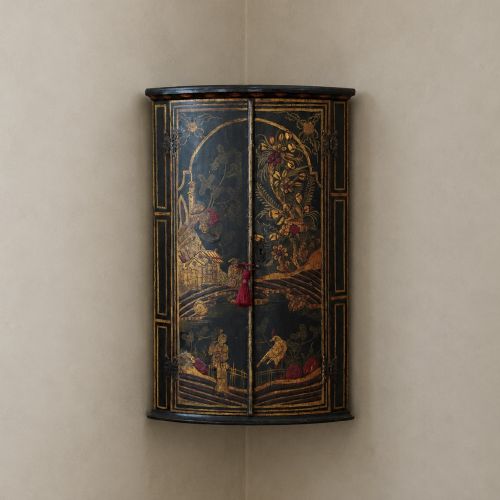
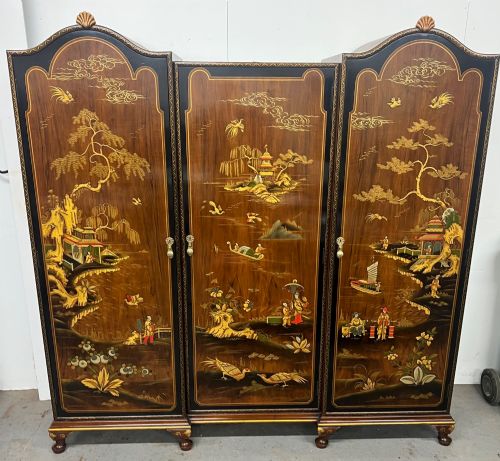
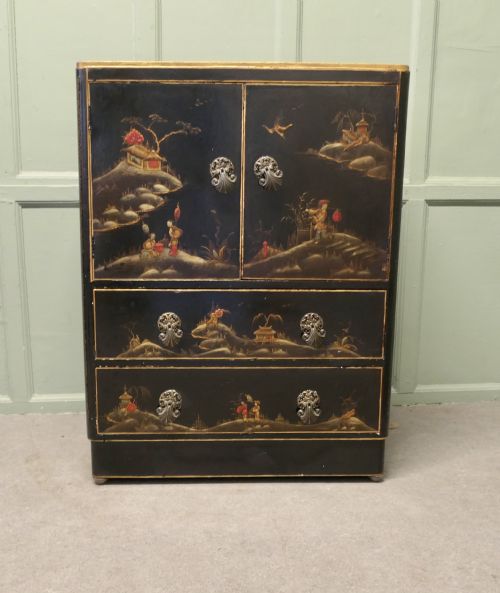
The selections span multiple centuries, with significant representation from the nineteenth century alongside eighteenth-century bookcases and early twentieth-century black lacquer cupboards. Forms vary widely according to their original domestic or commercial purpose, taking shape as corner cupboards, campaign military chests, glazed kitchen cabinets, and multi-drawer chemist shop fittings.
Pine forms the bedrock of domestic European storage, while exotic variations introduce elm, teak, and lacquer work into the mix. Buyers navigate between utilitarian painted pine items intended for everyday country house storage and highly decorative urban pieces featuring hand-painted floral decoration or Chinoiserie motifs.
Materials and Construction
Construction relies heavily on solid timber framing, utilising native pine for British and continental country pieces, alongside robust hardwoods like teak and elm for imported styles. Master joiners employed traditional techniques such as panelled doors and dovetailed joints to ensure durability across decades of heavy domestic use.
Surfaces receive distinct decorative treatments, ranging from simple protective coats of wax and scumble paint to intricate layers of black lacquer, japanning, and hand-painted floral motifs. Hardware elements incorporate brass and iron for hinges, handles, and campaign mounts, which secure the structure and function of these storage units.
Listings feature eighteenth, nineteenth, and early twentieth-century examples, constructed primarily from pine, painted wood, lacquer, and metal.
Markers of Distinction
Quality rests upon the integrity of the original construction and the preservation of authentic surface treatments, distinguishing honest utilitarian workshop output from later decorative alterations. The survival of original paint, whether a simple regional coat or detailed Chinoiserie lacquer, elevates the character of a piece considerably.
Proportion and structural balance dictate architectural success, separating well-proportioned architectural bookcases and dresser bases from more utilitarian packing cases. Finer examples display thoughtful detailing in fielded panels, cornices, and integrated iron or brass fittings that remain robust and true to their period.
Maples & Co.
The Vintage Painted Storage Cabinet Glossary
- Almirah
- A freestanding cupboard or wardrobe originating from the Indian subcontinent, often constructed from teak and utilised for domestic storage.
- Confiturier
- A small French jam cupboard traditionally designed to store confit and preserves in provincial domestic kitchens.
- Japanning
- A European imitation of East Asian lacquerwork, created by applying resinous layers to furniture surfaces and finishing with metallic dust or painted details.
- Scumble paint
- A translucent or broken colour glaze applied over a base coat to simulate wood grain or create a mottled, textured decorative effect on pine.
- Campaign chest
- A sectional storage cabinet made in parts with recessed brass hardware, designed for easy transport by military officers.
Vintage Painted Storage Cabinet: Frequently Asked Questions
What is a confiturier?
A confiturier is a small French cupboard originally built to store jars of meat preserved in fat. These compact storage units typically feature a single door and a drawer.
They translate easily into modern interiors as bedside tables or small hallway storage cabinets.
How do I identify original paint?
Original paint shows natural wear, craquelure, and multiple microscopic layers accumulated over decades of use. It sits differently in the grain compared to modern synthetic emulsions.
Look for honest patination around frequently touched areas like door edges and around iron or brass handles.
Where were almirah cabinets made?
Almirah cabinets originate from India, often constructed from sturdy timbers like teak. They served as primary domestic storage for garments and household goods.
Their substantial presence and decorative doors make them striking focal points in contemporary rooms.
What distinguishes a linen press?
A linen press combines upper sliding shelves or hanging space with lower drawer storage. They were traditionally used to store flat textiles flat under pressure.
In modern homes, they offer versatile vertical wardrobe capacity with deep drawers for folded items.