

19th Century Painted Armoire
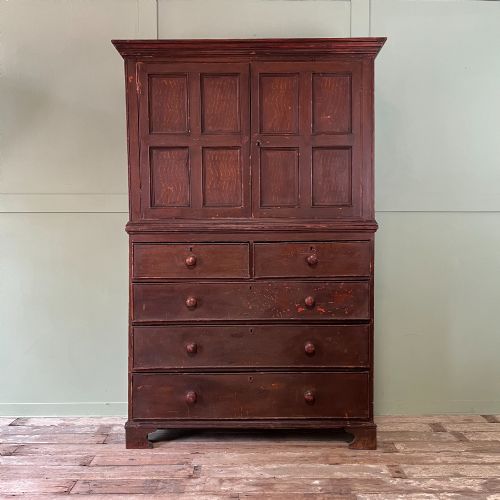
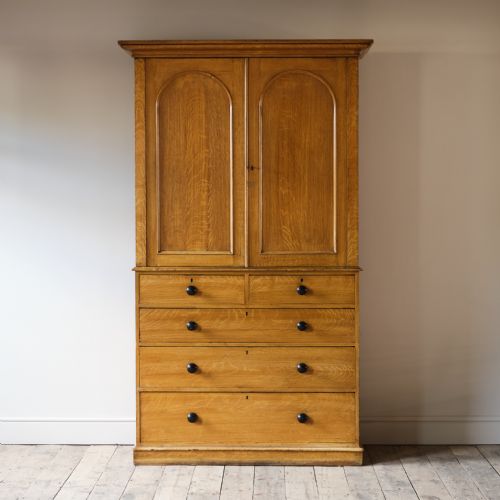
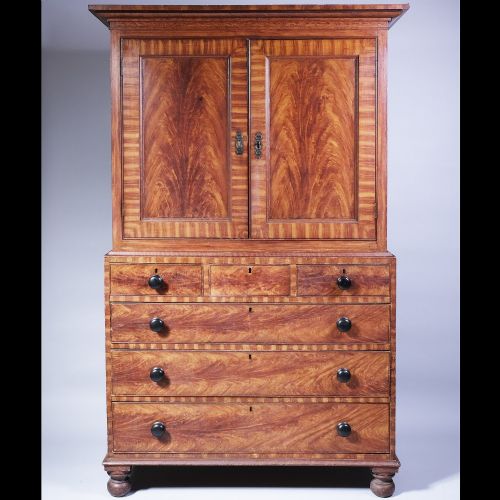
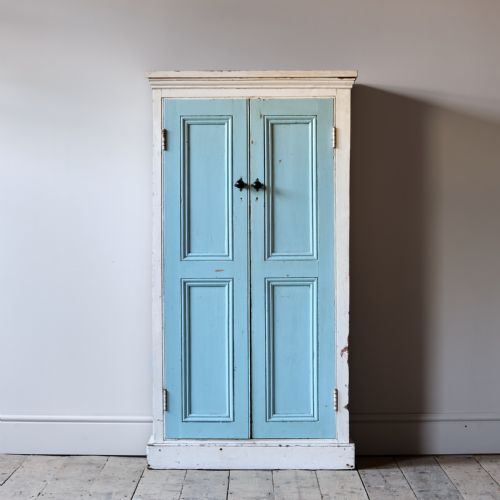
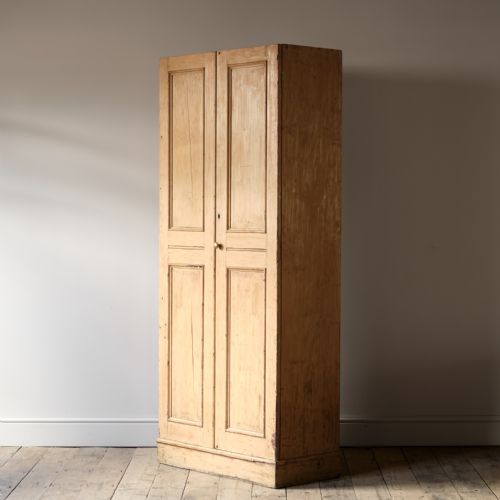
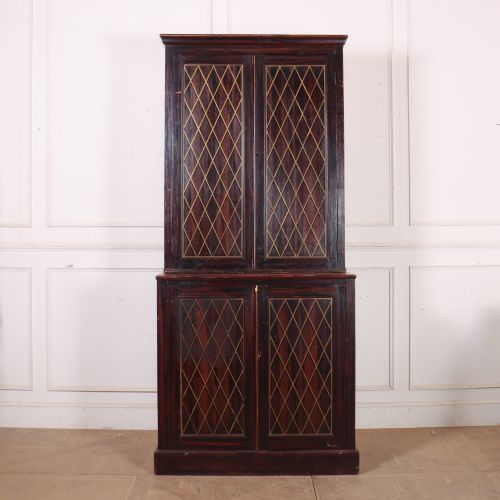
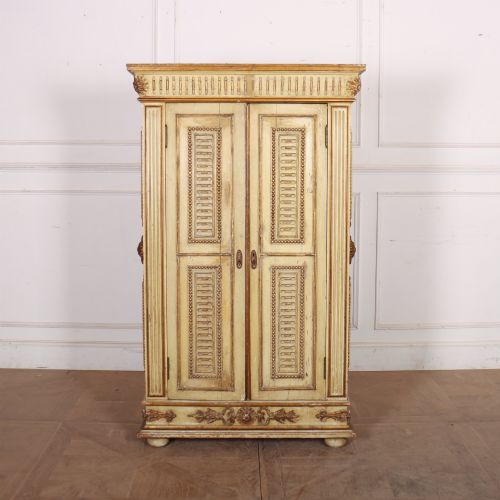
When you search for a 19th century painted armoire, you seek a large storage piece carrying original or later decorative brushwork from European or Asian workshops.
19th Century Painted Armoire
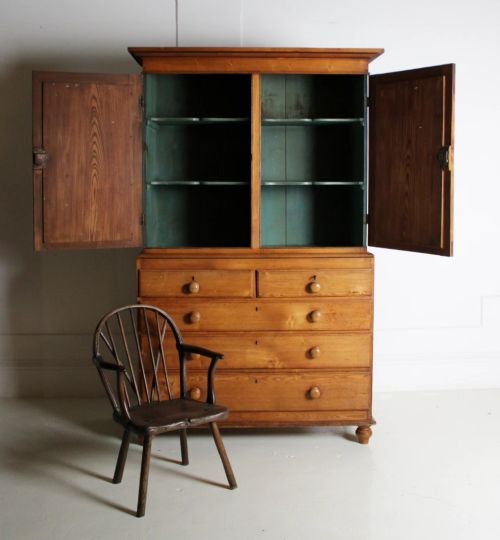
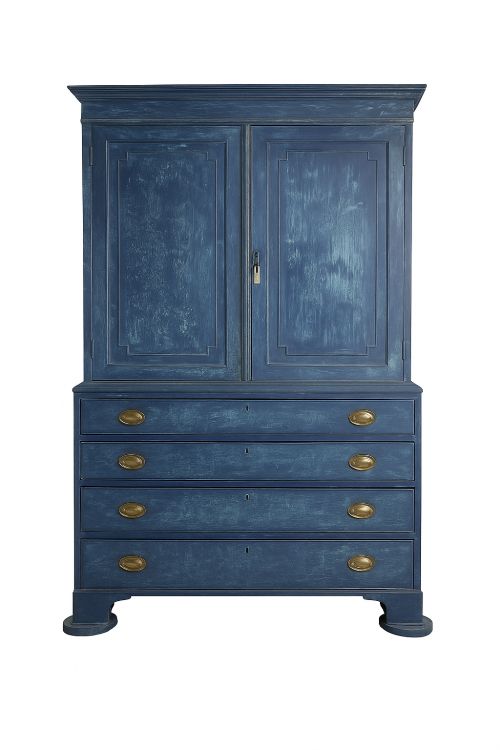
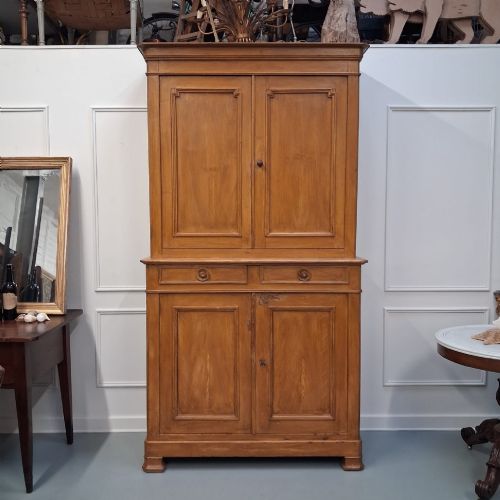
A 19th century painted armoire encompasses large storage furniture such as wardrobes, linen presses, and housekeepers cupboards from across the nineteenth century. These pieces appear in regional provincial styles including Scandinavian country, French provincial, and Italian provincial forms.
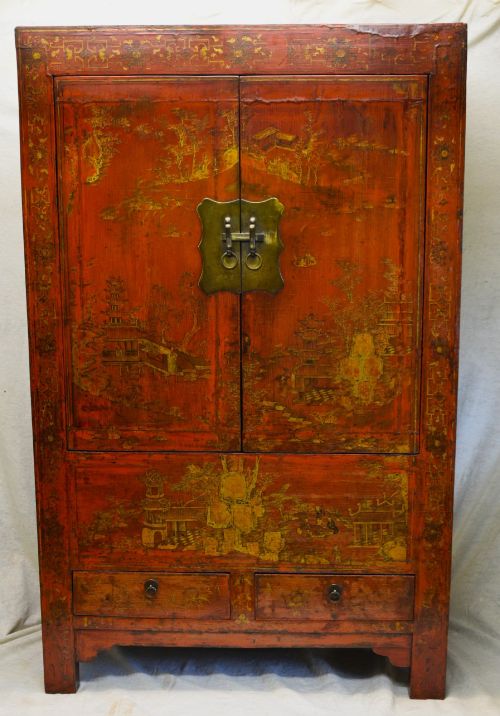
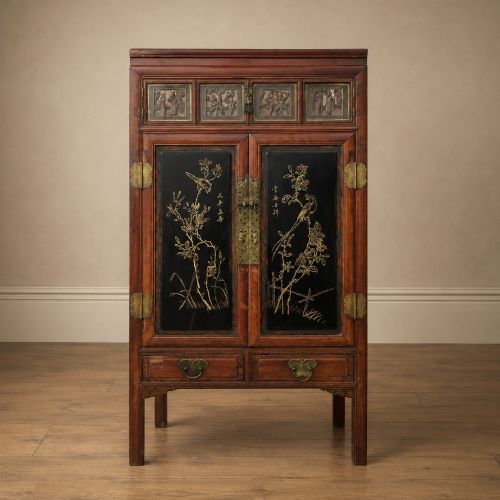
Buyers meet variations ranging from tall double-door Scandinavian cupboards on stands to compactum wardrobes and French mirrored cabinets. The selection includes specific regional identities such as Tyrolean, Swedish folk art, and Chinese lacquered wedding cabinets.
Materials and Construction
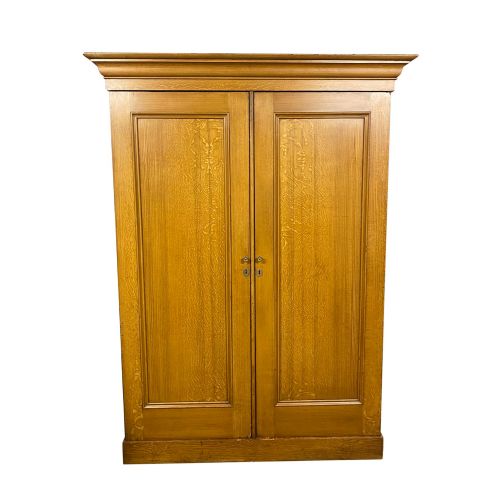
Carpenters built these pieces primarily using pine, oak, and ash, securing large panels with iron and brass hardware. Wood surfaces received distinct decorative treatments including scumble faux oak paintwork, hand-painted folk motifs, and red and black lacquer.
Many examples display carved details, beadwork, or applied cartouches beneath layered coats of paint. Regional makers utilised local timber reserves before finishing the exteriors with traditional pigments and protective varnishes.
Regional styles represented span Scandinavian country, Italian provincial, and French regional workshops alongside English country house furniture.
Assessing Quality
Quality rests upon the preservation of the original surface finish and the integrity of the underlying woodwork. Pieces retaining their earliest scumble, ragwork, or hand-painted folk art retain greater historical character than those with later repainting.
Construction standards appear in the thickness of the pine or hardwood panels, the fit of the doors, and the survival of period brass or iron hinges and locks. Balance between decorative painting and structural proportion dictates the standing of each wardrobe.
The 19th Century Painted Armoire Glossary
- Armoire
- A tall cupboard or wardrobe used primarily for storing clothing and linens. These large storage pieces often feature double doors and internal shelving or hanging space.
- Scumble
- A decorative painting technique where a translucent glaze is manipulated over a lighter base coat to imitate the grain of finer woods like oak. It was widely utilised on nineteenth-century utility furniture.
- Linen Press
- A tall piece of furniture combining upper cupboard storage for textiles with lower drawers. Early examples frequently utilise solid pine or ash construction.
- Ragwork
- A decorative surface finish applied with rags or cloths to create textured patterns in wet paint. This technique appears on traditional Scandinavian country cupboards.
- Cartouche
- An ornamental carved frame or tablet, often shaped like a rolled-up scroll. It frequently tops the crown of French armoires and wardrobes.
19th Century Painted Armoire: Frequently Asked Questions
What is a 19th century painted armoire used for?
These large cabinets provide substantial storage for clothing, linens, and household items behind substantial wooden doors. Their generous interior capacity makes them practical wardrobes or linen presses for modern bedrooms and hallways.
Beyond utility, they serve as prominent decorative anchors in a room. Their painted surfaces introduce regional colour and historical character to domestic interiors.
How do I identify Scandinavian painted cupboards?
Scandinavian pieces from this era frequently feature pale pine construction finished with hand-painted folk art, ragwork, or floral motifs. Many examples stand on bracket feet or integrated stands with simple moulded cornices.
Makers in Sweden and Norway often employed bright, contrasting pigments on neutral base coats. These decorative choices reflect distinct regional folk traditions rather than formal court styles.
What is the difference between an armoire and a housekeeper cupboard?
An armoire typically functions as a wardrobe with interior hanging space or deep shelves for garments. Housekeeper cupboards were traditionally utilised in large country houses for storing household provisions, tableware, and linens.
Housekeeper cupboards often present wider, multi-door configurations with deep lower sections. Armoires generally focus on vertical wardrobe storage, sometimes incorporating mirrored doors in later nineteenth-century examples.
How should I care for original paintwork?
Original painted surfaces require gentle cleaning with a dry or barely damp microfiber cloth to remove dust. Avoid chemical solvents, modern abrasive cleaners, or excess moisture that could lift historic pigments.
Maintain stable indoor humidity levels away from direct heat sources to prevent the underlying pine or oak from splitting. This preserves both the timber structure and the delicate painted finish.