
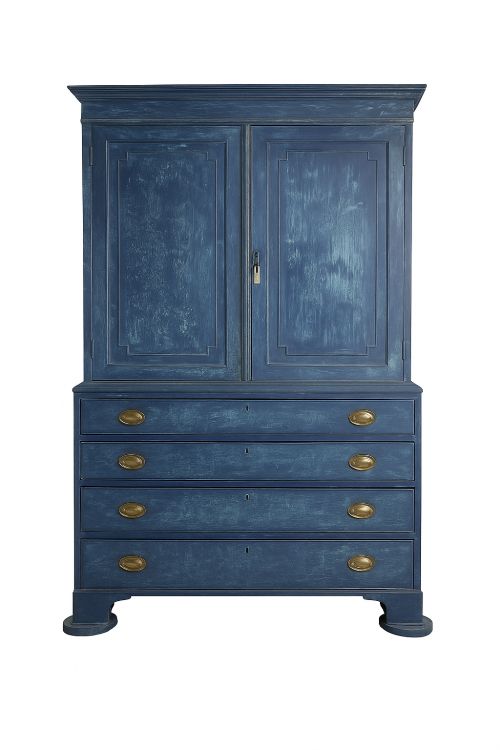
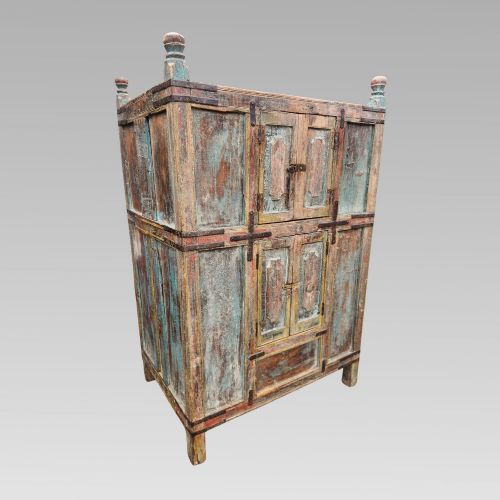
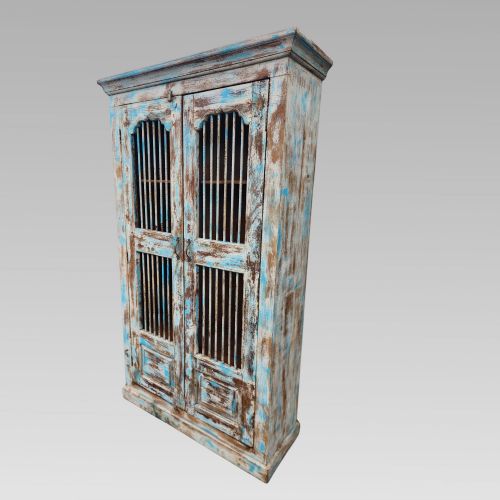
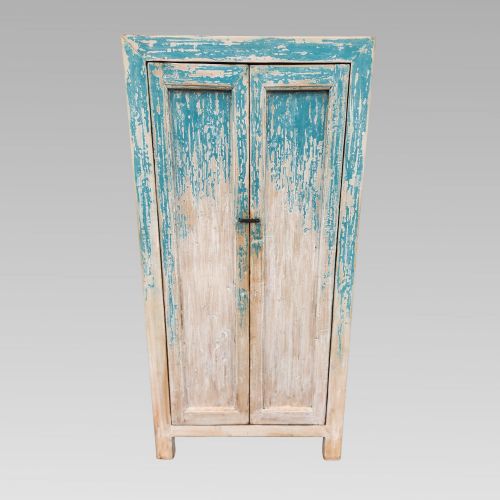
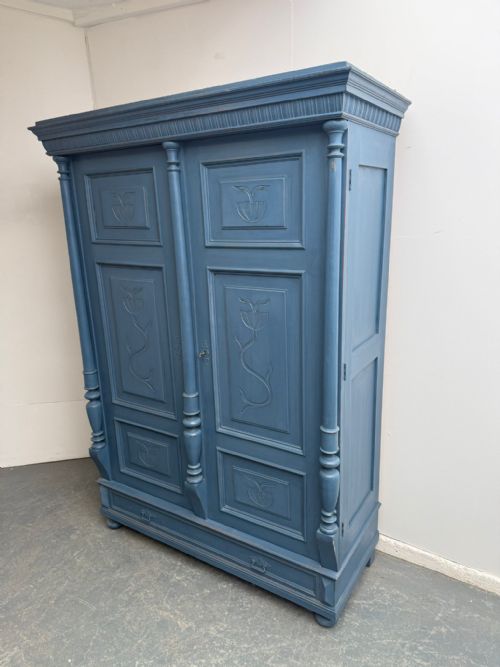


Blue Painted Wooden Armoire
A blue painted wooden armoire brings rustic charm and useful storage to a room, spanning 18th-century Scandinavian folk traditions and Indian village craftsmanship.
Blue Painted Wooden Armoire
A blue painted wooden armoire comprises large storage pieces, linen presses, wardrobes, and tall cupboards designed to hold household textiles and garments. When you search for a blue painted wooden armoire, you encounter substantial furniture built to serve a practical function in domestic settings.
The pieces appearing on this page span several distinct origins, including Scandinavian country workshops, Hungarian folk traditions, and rustic Indian cabinet makers. You are most likely to meet 19th-century pine cupboards from Sweden or painted storage cabinets from Indian village traditions featuring blue pigment.
Forms range from simple single-door kitchen cupboards to grand two-door linen presses and marriage armoires from Bohemia. Each piece utilises its wooden structure to provide enclosed shelving and hanging space while displaying aged painted surfaces.
How they were made
Makers constructed these cupboards primarily from pine, teak, cedar, and assorted reclaimed woods, joining the panels with traditional woodworking methods. Iron and brass hardware such as hinges, latches, and hooks secure the doors and provide structural reinforcement.
Workers applied layers of paint over the wood, utilising blue pigments that developed varied patinas through decades of domestic use and wear. Folk artists and village carpenters finished many surfaces with hand-painted details, folk motifs, or carved decorative elements.
Listings feature pine, teak, cedar, and reclaimed woods decorated with blue paint across 18th-century, 19th-century, Regency, and Victorian periods.
What varies in quality
The integrity of the original wooden construction and the survival of the early painted surface determine the quality of an armoire. Pieces retaining their original structural hardware, such as iron hinges and brass fittings, hold greater character than those with modern replacements.
The depth of the regional folk art tradition and the crispness of hand-carved details separate standard storage cupboards from finer examples of period folk furniture.
The Blue Painted Wooden Armoire Glossary
- Armoire
- A large wardrobe or cupboard used primarily for hanging clothes and storing garments. These tall pieces typically feature one or two doors opening to reveal shelves or hanging rails.
- Linen Press
- A tall storage cabinet designed specifically for folding and storing household linens, sheets, and tablecloths. They often combine upper cupboard space with lower drawer sections.
- Almirah
- A regional term for a freestanding cupboard or cabinet used for storage. These pieces originate from Indian workshop traditions and often utilise reclaimed teak or cedar.
- Folk Art
- Decorative and utilitarian objects made within a traditional culture by self-taught or local artisans. In these cupboards, the style appears through hand-mixed blue paints and regional decorative motifs.
- Marriage Armoire
- A celebratory cupboard commissioned or gifted to mark a wedding, often featuring specific regional dates or decorative symbols. Examples from Bohemia and Central Europe display distinct local painting styles.
Blue Painted Wooden Armoire: Frequently Asked Questions
How do I clean a painted surface?
Dust the painted wood gently with a dry, soft cloth to remove everyday particles without disturbing the aged finish.
Avoid chemical cleaning products and harsh commercial sprays, as these can strip historical layers of blue paint and natural wax.
Can I use an armoire for clothes?
Many of these cupboards include internal shelves or hanging space suitable for organising garments and modern clothing.
Check the internal depth and configuration of each specific cabinet to ensure it meets your wardrobe storage requirements.
Where should I place my cupboard?
Position the piece against a stable interior wall away from direct sunlight and sudden temperature fluctuations that affect wood.
Allow sufficient clearance for the doors to swing fully open, especially on models with wider two-door configurations.
How do I date a painted cupboard?
Examine the construction methods, joint types, and the composition of the iron or brass hardware used on the doors.
The wear pattern of the blue paint and the style of regional folk decoration also provide clues regarding the period of origin.