




European Folk Art Furniture
European folk art furniture brings warmth and character into a room through honest utilitarian forms and bright regional decoration.
European Folk Art Furniture
European folk art furniture encompasses everyday domestic seating, storage and display pieces made by local craftspeople for rural households. When searching for european folk art furniture, buyers encounter functional items such as benches, settle benches, side chairs, stools, cupboards, chests of drawers, coffers and wall cabinets.
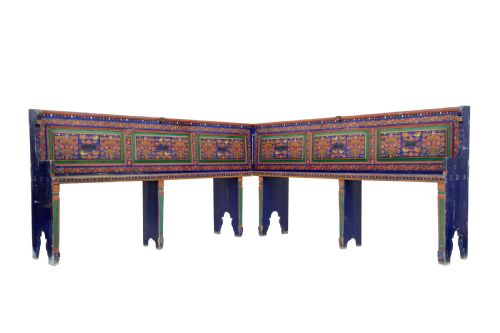
The pieces listed on this page originate from regional traditions across Central Europe, the Alps and Eastern Europe, dating from the nineteenth century. Common forms include matching pairs of folk chairs, corner seats, milking stools, commodes and hanging cupboards.
Most examples hail from Austrian, Hungarian, Swiss and wider East European workshops, reflecting distinct local building methods and aesthetic choices. Buyers are most likely to meet pine benches and cupboards bearing original painted decoration from this period.
How these pieces were made
Makers relied primarily on accessible regional timbers, predominantly pine and other local hardwoods, shaped into sturdy structural frames for daily use. Carpenters constructed joints with straightforward joinery suited to domestic utility rather than courtly display.
Surfaces were frequently finished with hand-painted pigments, utilising vibrant colours to decorate pine and carved timber surfaces. Iron hardware such as hinges and latches provided functional reinforcement to cupboards, coffers and commodes.
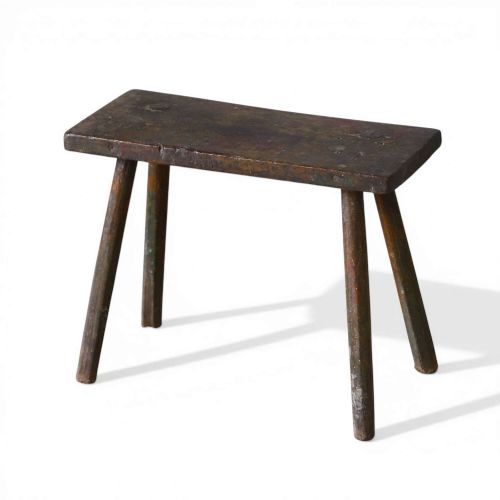
Milking stools from Eastern Europe were built low to the ground so milkmaids could remain steady while dodging impatient livestock.
What varies in quality
Quality rests significantly in the survival and integrity of the original painted surface, distinguishing pieces that retain their authentic regional pigments from those stripped or repainted later. The strength of the brushwork and the vibrancy of the hand-painted motifs separate ordinary utilitarian items from superior decorative examples.
Structural honesty and the retention of original iron fittings also elevate a piece, as does the balance of proportion in vernacular forms like settle benches and hanging cupboards. Pieces featuring untouched patination across pine and hardwood surfaces demonstrate greater integrity.
The European Folk Art Furniture Glossary
- Settle bench
- A wooden bench featuring high backs and solid sides designed to shield occupants from draughts in traditional farmhouses. These seating pieces often incorporate storage beneath the seat.
- Cofer
- A large wooden chest or box used for storing valuables, linens or domestic goods. They frequently feature hinged lids and painted regional decoration.
- Commode
- A low chest of drawers or cabinet standing on legs, used for storage in domestic chambers. In folk furniture traditions, these are typically constructed from pine and finished with pigments.
- Pigment
- Natural colouring matter used in paints to decorate wooden surfaces. Folk pieces often display hand-painted pigments applied directly to bare timber.
- Escabelle
- A traditional type of wooden chair or stool associated with Alpine and Swiss regional seating. These are sturdy vernacular forms built for everyday utility.
European Folk Art Furniture: Frequently Asked Questions
What is European folk art furniture?
European folk art furniture comprises utilitarian household objects made by regional craftspeople for rural communities. These pieces include seating, storage cabinets and benches decorated with hand-painted pigments.
Items usually date from the nineteenth century and reflect distinct stylistic traditions from Alpine, Austrian, Hungarian and East European regions.
How was folk furniture used?
These items served daily domestic functions in rural farmhouses and cottages. Benches, settle benches and chairs provided seating around hearths and tables, while cupboards and coffers stored household provisions and textiles.
Corner seats and hanging cupboards made efficient use of limited space in traditional rooms.
How do I identify a nineteenth-century piece?
Nineteenth-century folk furniture is distinguished by traditional construction methods using pine and local hardwoods. Surfaces often display authentic hand-painted pigments characteristic of specific regional workshops from this era.
Hardware such as iron hinges and latches further supports period attribution through traditional blacksmithing techniques.
How do I care for painted folk furniture?
Care for these pieces involves keeping them away from direct sunlight and maintaining stable indoor humidity to protect the wood and original paint. Avoid harsh modern chemical cleaners when dusting the surfaces.
Gentle maintenance preserves the integrity of the hand-painted pigments and the underlying timber patina.