




Scumble Painted Cupboard
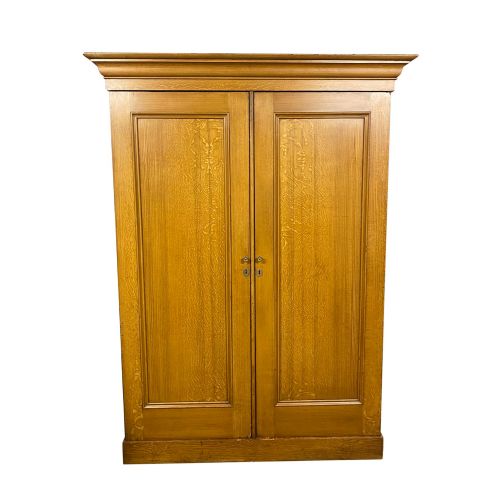
These scumble painted cupboard pieces bring genuine vernacular character into a room through rich, faux-finish graining applied over sturdy pine.
Scumble Painted Cupboard
When you search for a scumble painted cupboard, you are looking at practical domestic storage transformed by decorative surface work. The pieces appearing here span the nineteenth century, including specific dates such as eighteen eighty and eighteen ninety, alongside broader Victorian and country periods.
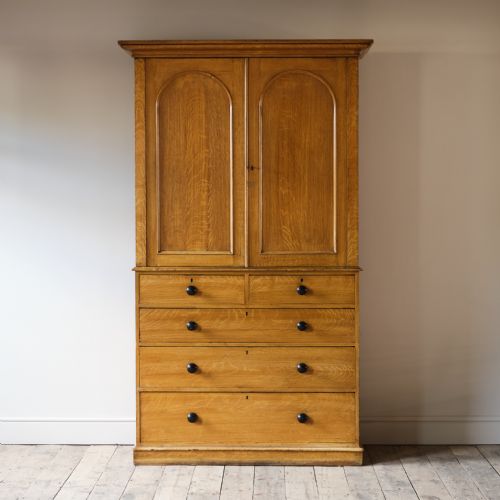
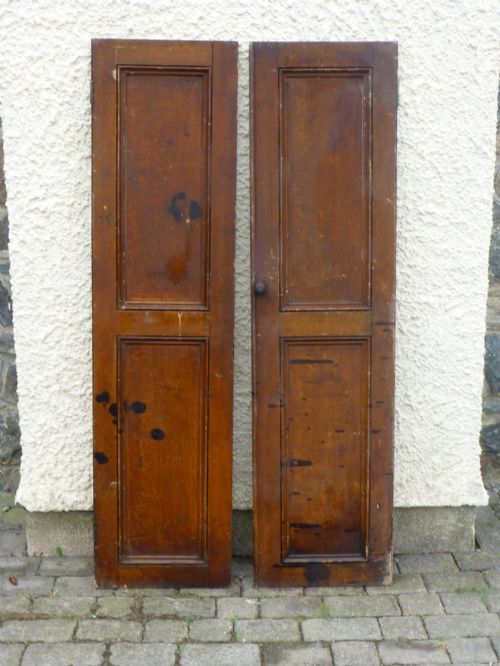
You are most likely to meet substantial kitchen dressers, housekeepers cupboards, and compactum wardrobes rendered in pine. These range from West Country and Scottish pieces to architectural salvage cupboard doors designed for pantries and alcoves.
The forms are unapologetically functional, built for heavy storage in farmhouses and rustic settings. Their enduring appeal lies in the combination of honest utility and decorative surface finish.
How they were made
Makers constructed these pieces primarily from solid pine, selecting a timber that was readily available and easy to work for utilitarian domestic furniture. They built carcases, dressers, and wardrobes with straightforward joinery suited to daily use in kitchens and sculleries.
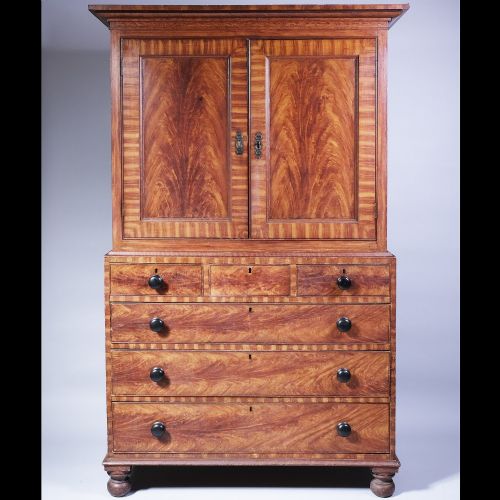
The defining characteristic is the application of scumble paint, often executed to imitate finer timbers like oak. Artisans worked a translucent glaze over a lighter base coat, dragging or combing tools through the wet medium to create faux wood graining and decorative patterns.
Some nineteenth-century decorators used feathers and crumpled newspaper to drag the wet scumble glaze, leaving an accidental fingerprint in the faux oak grain.
What varies in quality
Quality rests in the survival and execution of the original surface finish. A piece with untouched, vibrant faux oak graining holds a distinct visual advantage over one with heavily worn or later overpainted surfaces.
The integrity of the underlying pine structure and original brass hardware also determines the standing of a piece. Finer examples retain their complete architectural form, whether as a full housekeeper cupboard or a matched pair of pantry doors.
The Scumble Painted Cupboard Glossary
- Scumble paint
- A translucent decorative glaze manipulated over a base coat to imitate the grain of expensive timbers such as oak. This technique allowed rural makers to achieve a sophisticated look using affordable pine.
- Compactum wardrobe
- A large fitted wardrobe designed with internal divisions for hanging clothes, shelves, and drawers. These pieces maximise storage within a single timber carcase.
- Housekeepers cupboard
- A large storage cabinet traditionally used for linens, dry goods, and domestic supplies. They typically feature a combination of cupboards and drawers.
- Architectural salvage
- Building elements rescued from older structures for reuse in interior design. In this context, it refers to pantry or alcove cupboard doors removed from period properties.
Scumble Painted Cupboard: Frequently Asked Questions
What is a scumble painted cupboard?
A scumble painted cupboard is a nineteenth-century pine storage piece finished with a translucent glaze designed to imitate expensive hardwoods. Makers used combs and rags to create faux grain patterns.
These pieces include kitchen dressers, housekeepers cupboards, and wardrobes originating from regional traditions across Britain.
How were these cupboards used?
These cupboards served heavy-duty storage functions in farmhouses, country houses, and domestic sculleries. They held linens, kitchenware, and provisions needed for daily household management.
Larger versions like compactum wardrobes organised clothing and personal items in bedrooms before fitted furniture became common.
How do I live with a scumble painted cupboard?
These pieces anchor a room with strong texture and vernacular presence, working well in kitchens, dining rooms, or hallways. Their faux wood grain adds warmth without the formality of solid hardwood.
Keep them away from direct heat sources and strong sunlight to protect the historic paint finish from drying out or fading.
How do I tell periods apart?
Nineteenth-century pieces often display hand-mixed glazes and traditional joinery specific to regional workshops, such as Scottish or West Country vernacular styles. Specific dates like eighteen eighty or eighteen ninety appear on documented pieces from the Victorian era.
Look at the construction methods, handle types, and the specific style of the faux graining to understand the context of the maker's work.