





West Country Furniture
West country furniture brings vernacular warmth to an interior through honest regional timbers and robust utilitarian design.
West Country Furniture
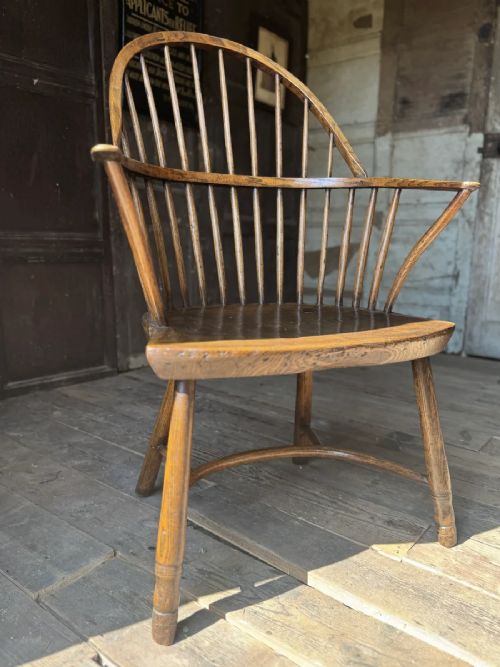
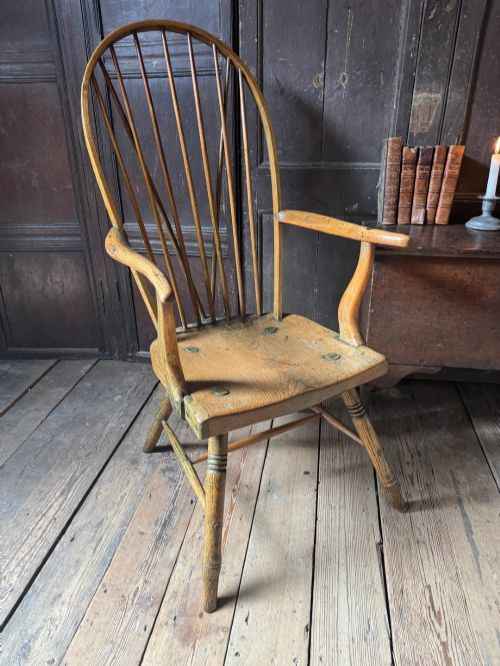
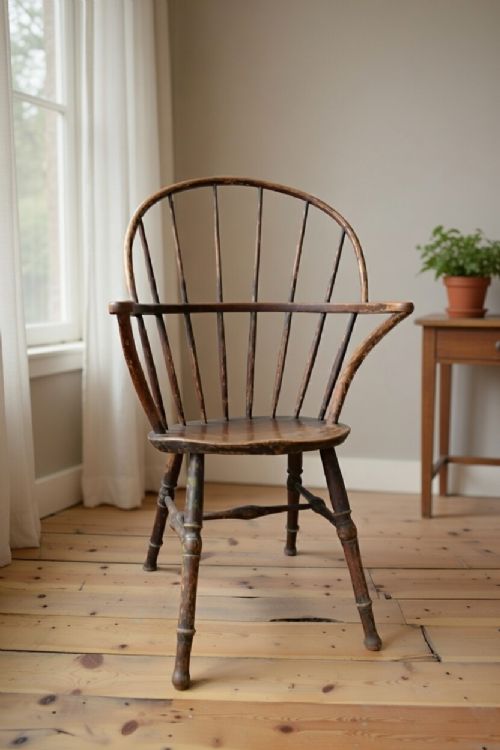
West country furniture comprises practical household pieces originating from the West Country of England, spanning periods from the seventeenth to the nineteenth century. Buyers searching for west country furniture encounter robust forms such as Windsor armchairs, dressers, settles, and cupboards designed for daily domestic use.
The pieces appearing most frequently include elm and ash Windsor armchairs, alongside utilitarian oak and pine seating or storage. Regional makers utilised locally available woods to construct durable items suited to farmhouse and cottage interiors.
Domestic forms also encompass housekeeper cupboards, pig benches, and three-legged milking stools reflecting rural trades. These items combine straightforward construction methods with regional variations in turning and joinery.
How They Were Made
Makers constructed west country furniture predominantly from regional hardwoods and softwoods including elm, ash, oak, pine, and beech. Elm and ash provided the flexible strength required for bentwood Windsor chair hoops and comfortable saddle seats.
Joinery methods relied on traditional pegging, mortise and tenon joints, and sturdy framing to withstand heavy agricultural use. Certain pieces incorporated original painted finishes or brass hardware to protect and complete the timber surfaces.
West Country Furniture Retail Price Guide 2026
Typical asking prices for west country furniture among the pieces listed under this phrase on Sellingantiques today, from the lower quarter to the upper quarter. They describe what is for sale here now, not the wider market.
The documented forms span functional domestic items including settles, housekeeper cupboards, kitchen dressers, pig benches, and milking stools.
What Varies in Quality
Quality in west country furniture rests upon the selection of timber and the integrity of the original construction. Pieces exhibiting well-figured elm seats, balanced proportions, and retained original paint surfaces stand apart from heavily altered examples.
The refinement of turnings on chair legs and stretchers, such as crinoline stretchers, demonstrates the skill of the regional maker. Superior survival of original surface patination elevates the desirability of utilitarian forms like settles and cupboards.
The West Country Furniture Glossary
- Windsor armchair
- A wooden chair featuring a solid saddle-shaped seat into which separate legs and a back are wedged. High hoop-back and stick-back variations are common regional formats.
- Crinoline stretcher
- An arched under-framing connecting the legs of a Windsor chair to provide structural rigidity. This feature often appears on West Country seating from the Georgian period.
- Settle
- A wooden bench with a high solid back designed to block draughts in farmhouse kitchens. Variants include bacon settles and storage compartments beneath the seat.
- Court cupboard
- An enclosed upper and lower cabinetry piece used for storing provisions and displaying plate. Seventeenth-century examples display characteristic carved oak ornamentation.
- Housekeeper cupboard
- A large storage unit designed for linen and provisions within a traditional country home. These utilitarian forms utilise substantial pine and oak timbers.
West Country Furniture: Frequently Asked Questions
What is west country furniture?
West country furniture refers to domestic and agricultural items made in the West of England from the seventeenth to the nineteenth century. It encompasses utilitarian seating, storage cupboards, and tables built from regional timbers.
These pieces reflect the practical needs of rural households through straightforward joinery and robust native woods like elm, oak, and ash.
How do I identify a West Country Windsor chair?
West Country Windsor chairs typically feature combinations of elm seats and ash framing, often incorporating shaped crinoline stretchers. Their high hoop-backs or stick-backs display regional turning characteristics distinct from Midland or Northern styles.
Examining the saddle seat reveals the individual adze or scorper marks left by the maker during shaping.
What woods were used in these pieces?
Maker workshops utilised accessible local timbers including elm, ash, oak, pine, beech, and occasionally painted surfaces. Elm provided stability for solid chair seats, while ash supplied flexible wood for bent components.
Oak and pine served primarily in case furniture, dressers, and settles where rigid rectangular construction was necessary.
How should I live with country furniture?
Country furniture integrates easily into contemporary and traditional interiors as functional seating and storage. Placing pieces away from direct heat sources protects the historic timber and maintains the surface patination.
Regular dusting and occasional application of appropriate wax preserve the natural finish of elm, oak, and pine.