
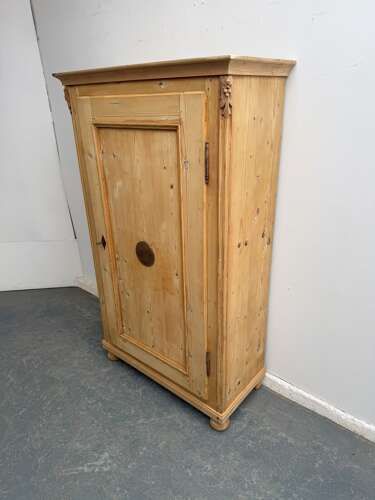
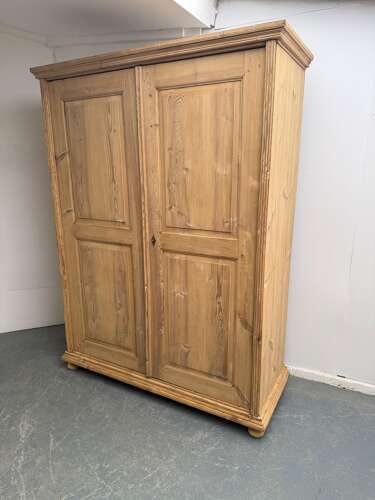
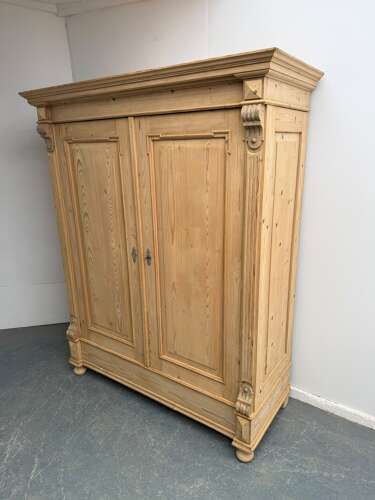
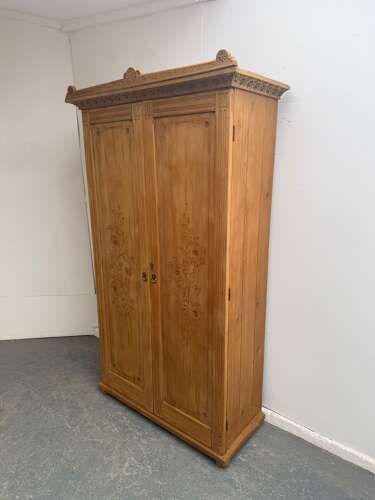
Antique Pine Press Cupboard
When you search for an antique pine press cupboard, you are looking for substantial storage furniture that combines practical timber construction with traditional farmhouse character.
Antique Pine Press Cupboard
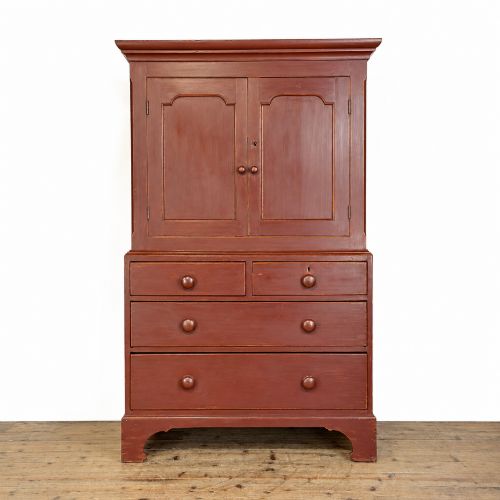
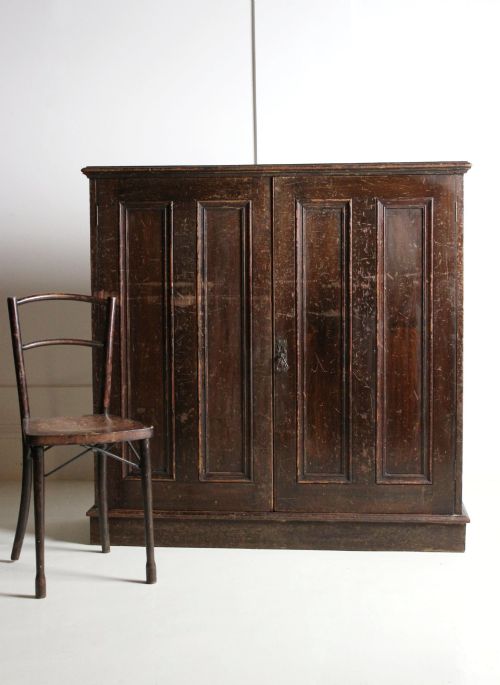
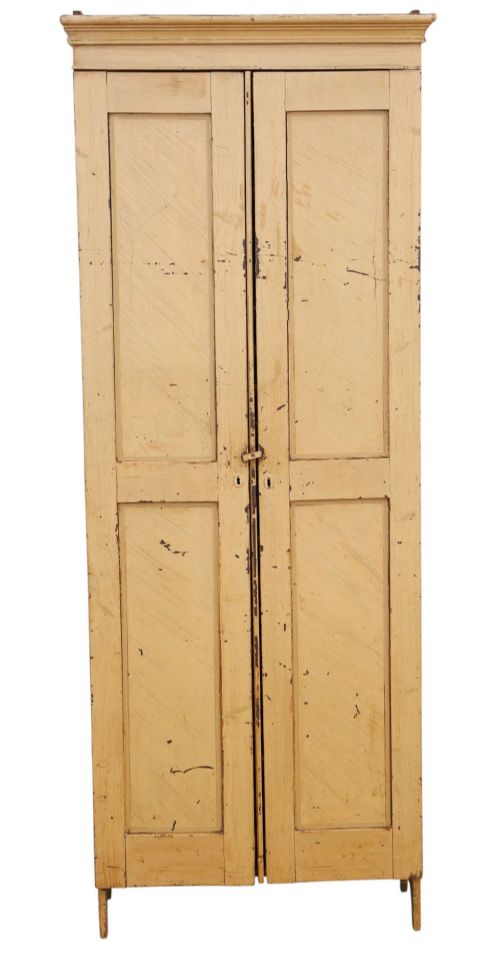
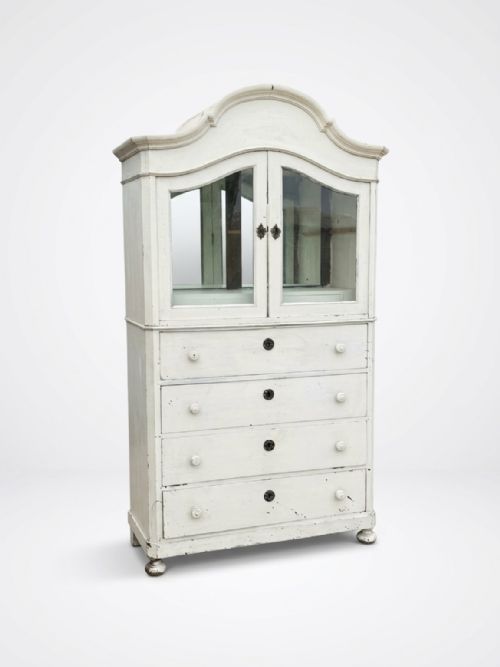
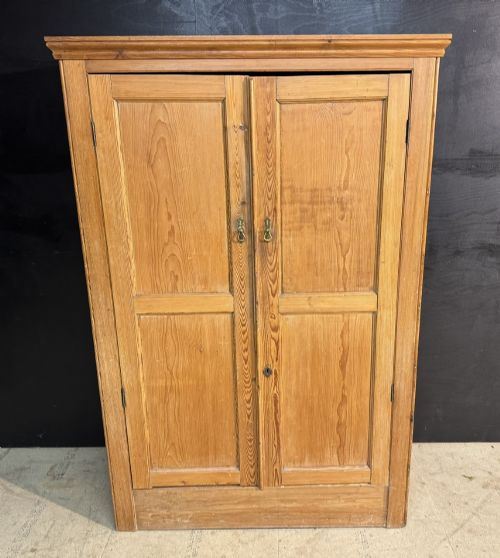
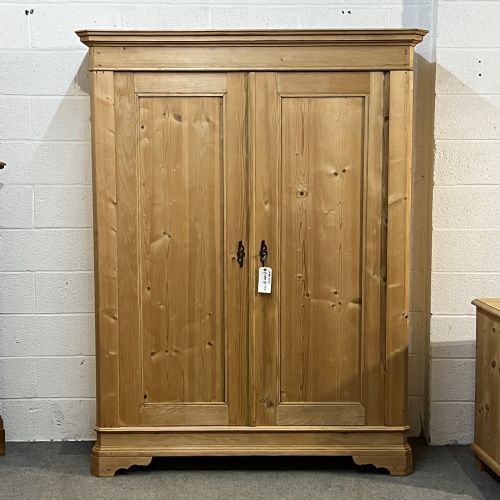
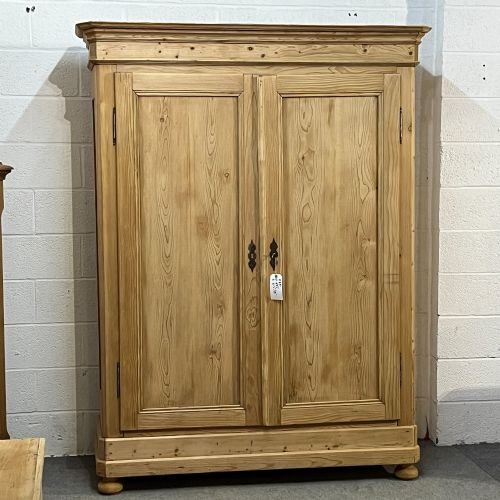
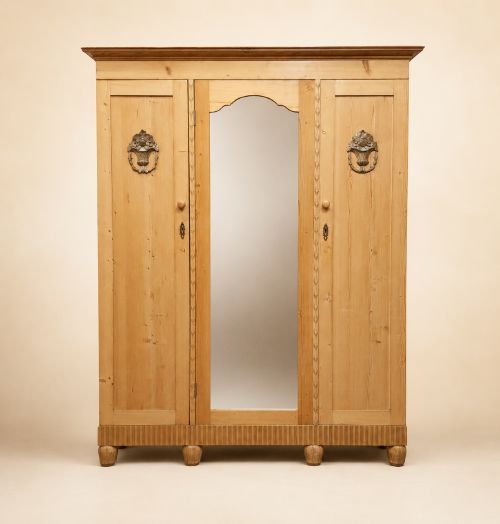
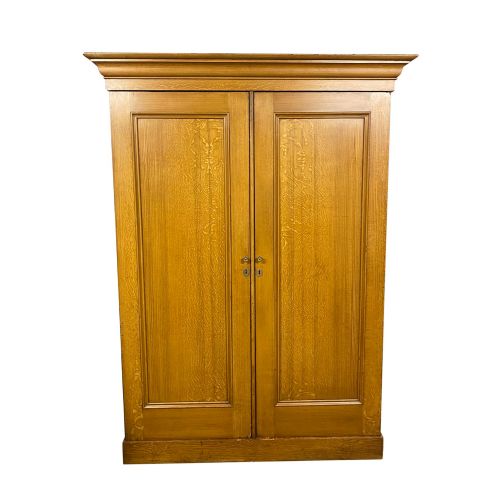
An antique pine press cupboard is a large piece of case furniture designed primarily for storing linens, clothing, and household provisions. These items range from compact single-door kitchen cabinets to massive Georgian, Regency, and Victorian press cupboards, wardrobes, and housekeepers' cupboards.
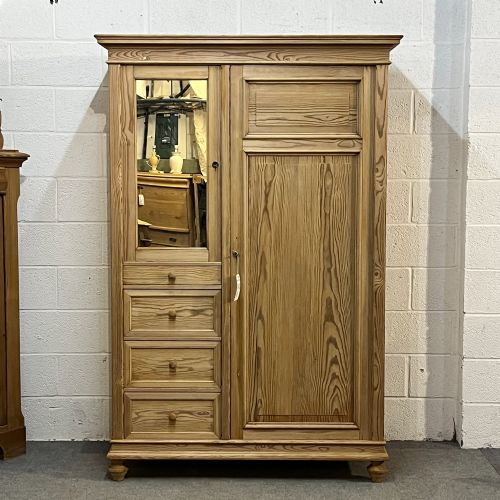
The versions most commonly met on this page date from the nineteenth century, including Victorian country examples and earlier Georgian forms. Many pieces combine hanging space or shelving with internal drawers, often referred to as compactums or linen presses.
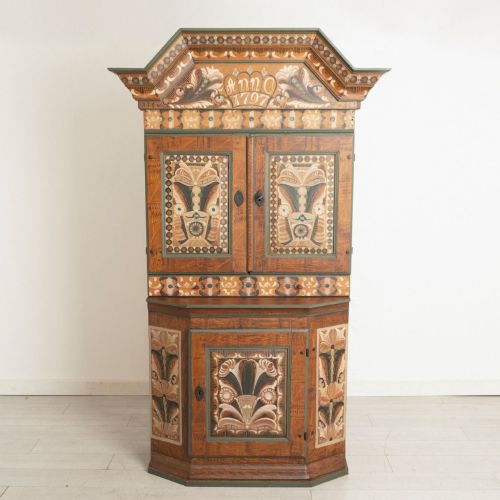
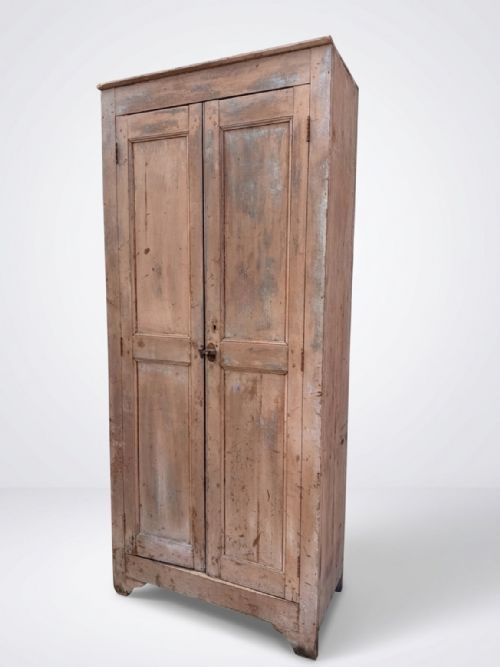
Makers utilised softwoods extensively, constructing pieces that served rural cottages, grand country houses, and provincial homes alike. Buyers encounter both stripped natural wax finishes and remnants of historic painted surfaces, including scumble glaze and original coloured pigments.
How they were made
Pine forms the structural core of these cupboards, supplemented by iron hinges, brass handles, and glass panels on selected cabinet doors. Workshops often built larger wardrobes as knockdown versions, allowing the carcase to dismantle easily for transport between rooms and floors.
Surface treatments varied widely between utilitarian waxed finishes and decorative painted schemes. Craftsmen applied scumble faux oak paintwork or original pigments to mimic costlier hardwoods or to provide a durable wipe-clean layer in domestic kitchens and sculleries.
Historic carpenters occasionally hid chalk tally marks inside knockdown panels to ensure the correct parts reunited after moving house.
What varies in quality
The distinction between ordinary and superior examples lies in the integrity of the original construction and the survival of historic surfaces. Well-proportioned architectural details, such as arched panels, moulded cornices, and fielded door designs, elevate the standing of a piece.
Original paintwork, untouched scumble glazing, and intact internal fittings like adjustable shelving or original drawer configurations contribute significantly to historical interest. Simpler provincial utility cupboards display a rugged functional charm, whereas finer Arts and Crafts or Georgian pieces exhibit greater joinery refinement.
The Antique Pine Press Cupboard Glossary
- Press cupboard
- A large storage cabinet traditionally used for pressing and storing folded linens and garments. These often feature an upper section for textiles above a lower bank of drawers.
- Housekeepers cupboard
- A large multipurpose utility cabinet kept in domestic service areas to store provisions, household china, and linens. They frequently combine deep shelving with substantial lower storage compartments.
- Knockdown wardrobe
- A large piece of furniture engineered to be easily dismantled into flat sections using wooden pegs or wedges. This ingenious construction allowed bulky bedroom furniture to be moved up narrow staircases.
- Scumble paint
- A decorative surface technique where a translucent coloured glaze is dragged or brushed over a lighter base coat. Craftsmen used this method to imitate the grain of expensive hardwoods like oak.
- Compactum
- A comprehensive wardrobe design featuring a combination of hanging space, shelves, and internal drawers within a single unified carcase. They maximised storage efficiency in nineteenth-century bedrooms.
Antique Pine Press Cupboard: Frequently Asked Questions
How do I date an antique pine press cupboard?
Dating relies on observing construction methods, hardware, and stylistic cues recorded in the periods from the Georgian era through to the Victorian age. Earlier pieces often display hand-cut joinery and pegged frames, whereas later nineteenth-century examples may incorporate machine-sawn timber and different fastening techniques.
Paint layers and surface wear also provide clues to age. Original scumble glazes and historic pigments indicate the period of decoration, while alterations or stripped surfaces reflect later domestic fashions.
Can these large cupboards be dismantled for moving?
Many larger nineteenth-century wardrobes and press cupboards are specifically built as knockdown pieces. These clever designs allow the cornice, base, sides, and doors to separate into flat sections without permanent damage to the timber.
Buyers should check individual listings to confirm whether a specific item dismantles. This feature is essential for negotiating narrow hallways and staircase turns during delivery.
What is the difference between a linen press and a wardrobe?
A linen press traditionally combines sliding trays or shelves in the upper section with a chest of drawers in the lower half, specifically designed for flat textiles. Wardrobes focus primarily on vertical hanging space for garments on rails or coat hooks.
Over time, terminology often blurred, with many large storage pieces performing both functions. Examining the internal configuration reveals whether shelves or hanging space predominated in the original design.
How should I care for waxed or painted pine furniture?
Waxed pine benefits from occasional applications of beeswax to nourish the soft timber and maintain a soft sheen. Avoid placing these pieces in direct sunlight or near heat sources that could dry out the wood and cause splitting.
Painted and scumble-glazed surfaces require gentle cleaning with a soft, dry cloth rather than harsh modern detergents. Preserving original historic paint finishes maintains both the character and the historical integrity of the piece.