

Painted Earthenware Plates
Painted earthenware plates bring tactile warmth to a room, offering hand-brushed pigments over porous clay bodies from centuries past.
Painted Earthenware Plates
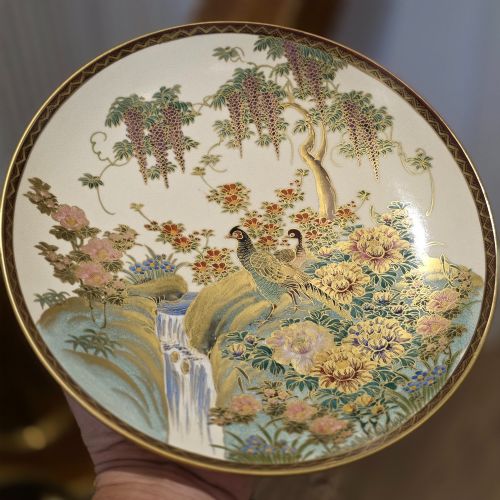
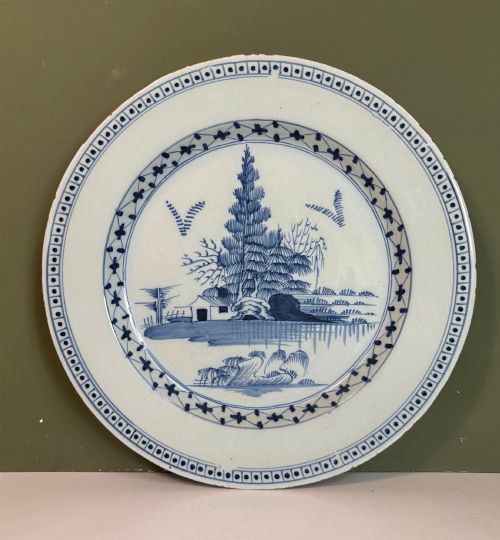
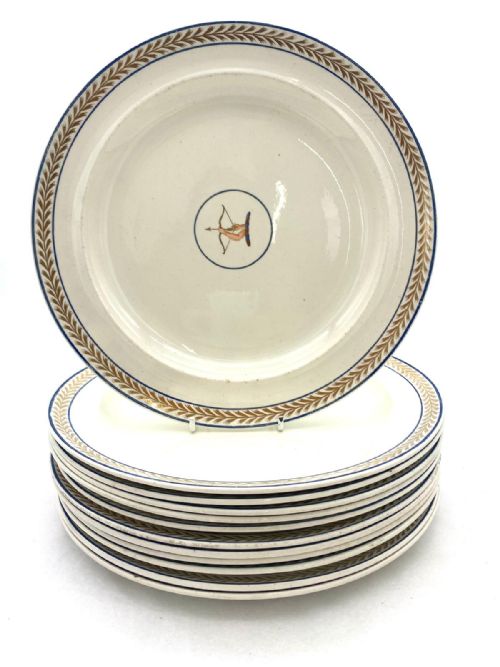
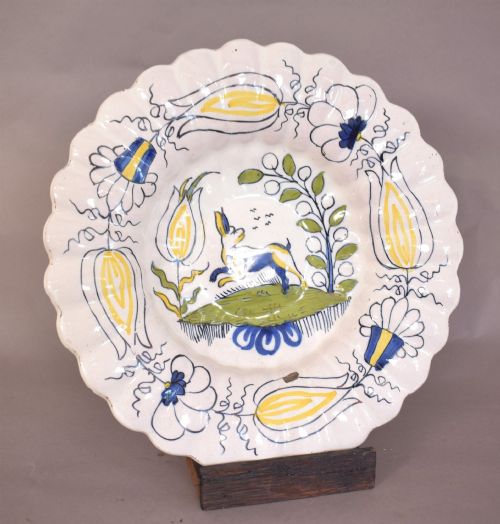
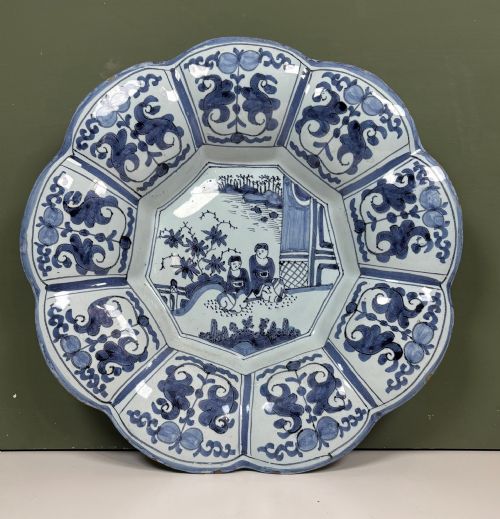
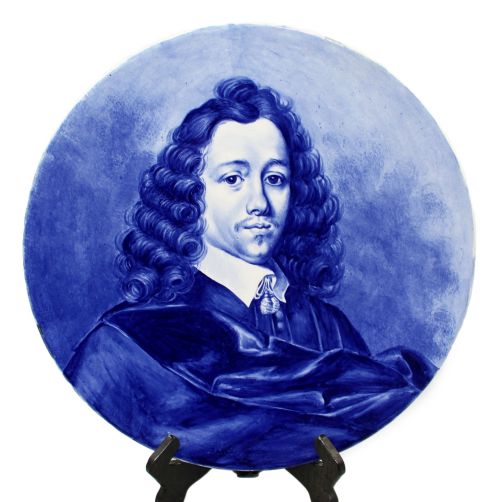
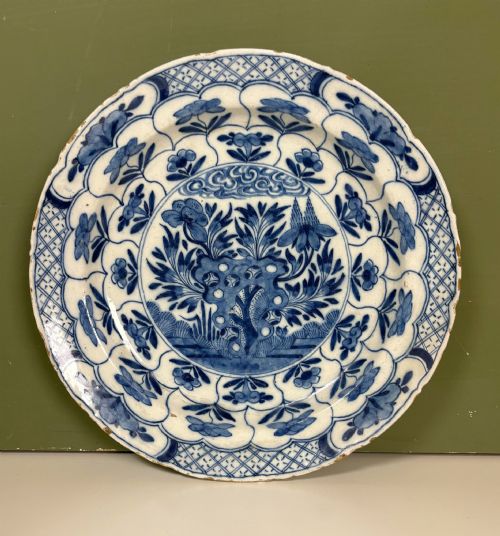
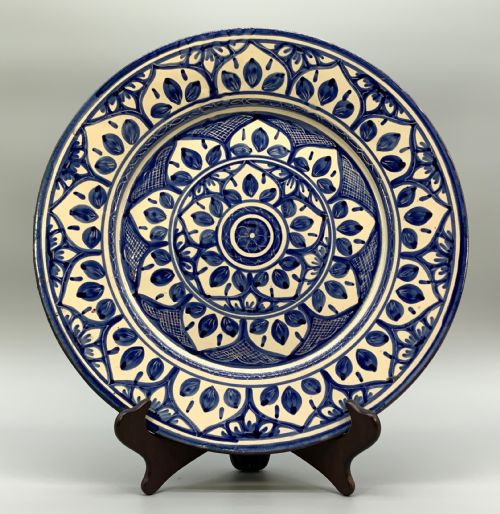
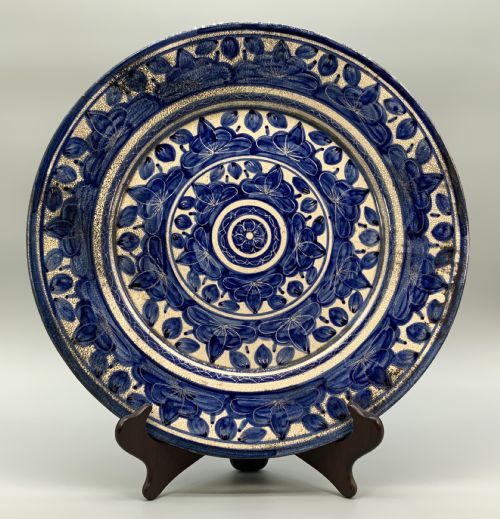
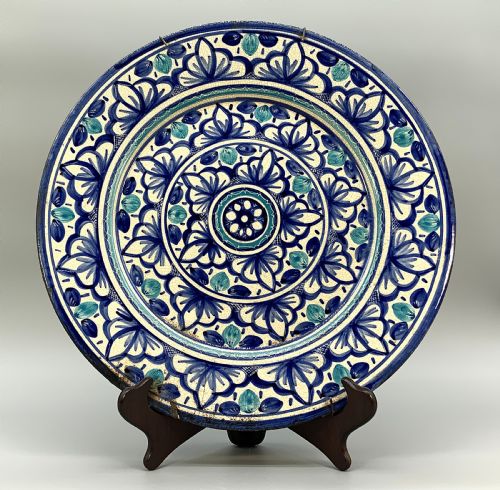
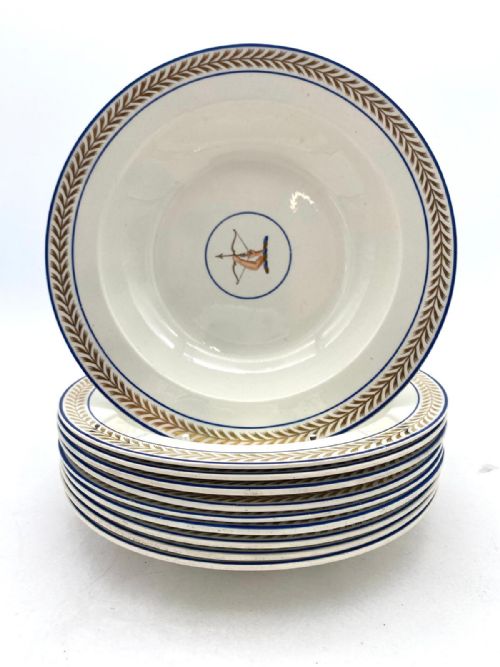
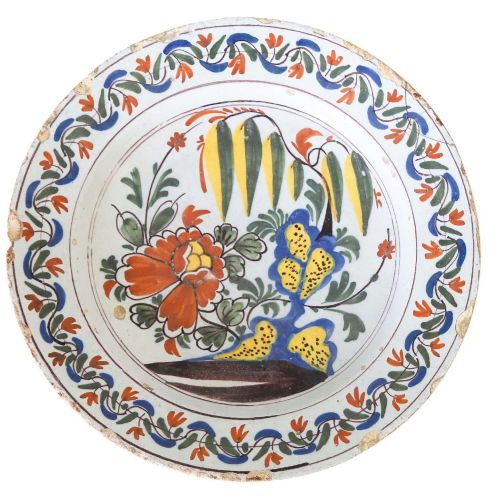
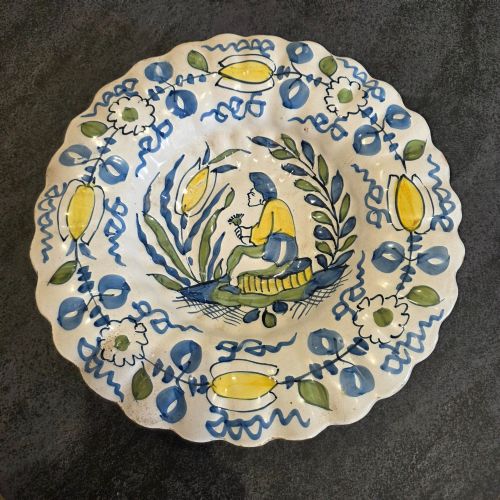
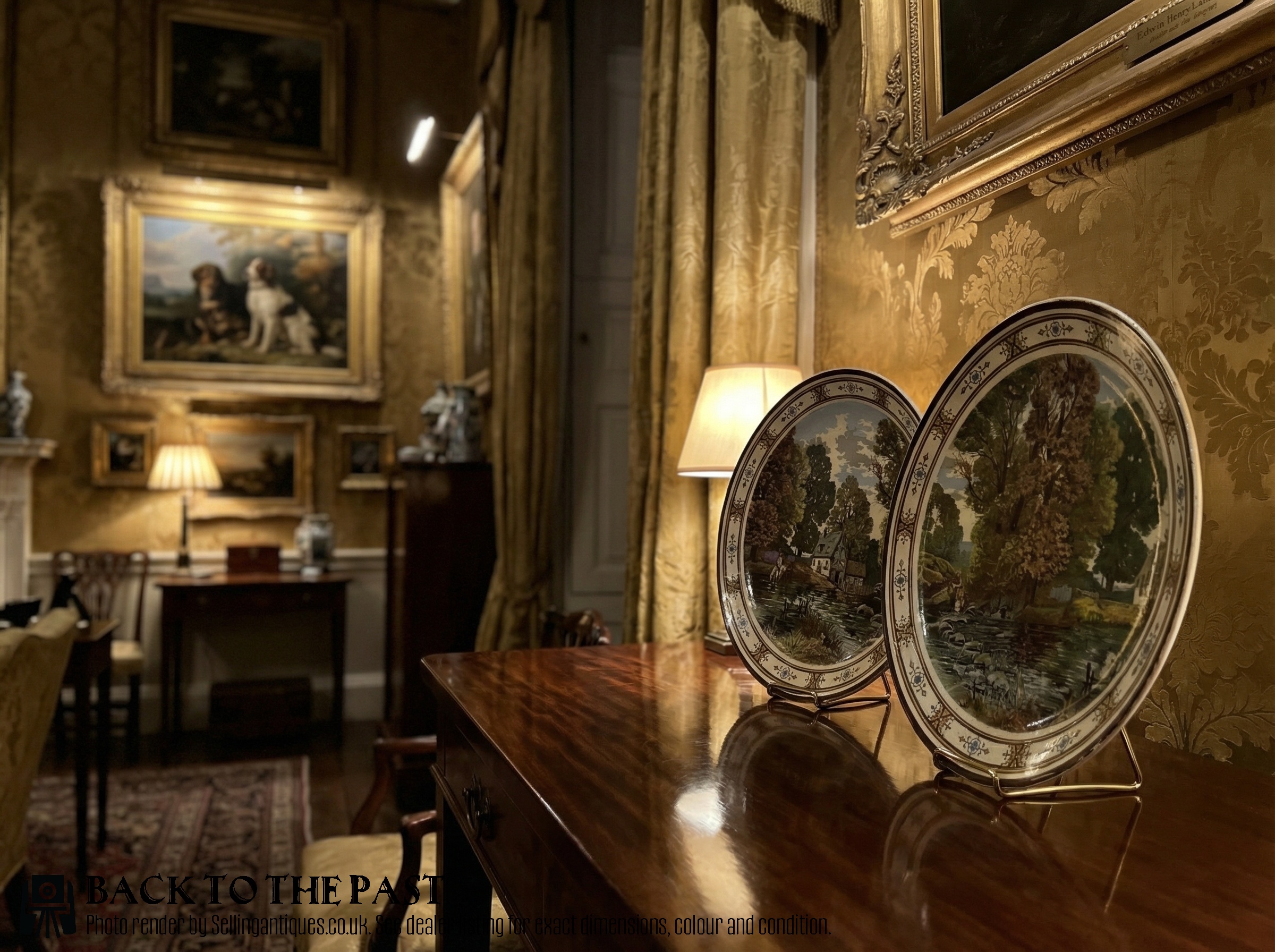
Painted earthenware plates encompass a broad range of ceramic tablewares and wall displays created across the seventeenth, eighteenth, and nineteenth centuries. When searching for painted earthenware plates, collectors encounter substantial chargers and shallow bowls carrying blue and white pigment or polychrome decoration. English, Dutch, and continental workshops produced these decorated objects for both functional dining and decorative display.
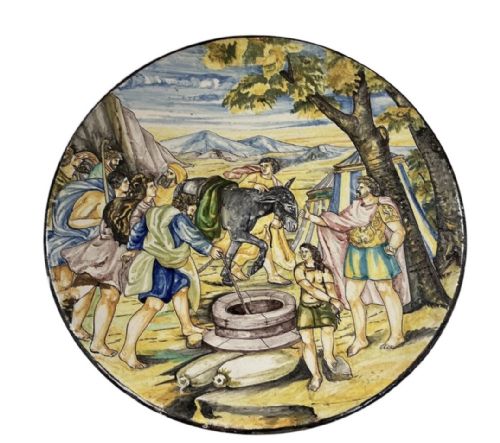
The selections span from early seventeenth-century Dutch Delftware to late nineteenth-century Victorian pottery and continental faience. Many items originate from seventeenth and eighteenth-century traditions, featuring hand-painted floral motifs, armorial designs, or historical scenes. These earthenware items provide a tangible link to historical ceramic techniques across several European regions.
Distinctions in quality and execution
Quality rests in the precision of the hand-painted brushwork and the clarity of the cobalt or polychrome pigments against the tin glaze. Pieces exhibiting sharp, deliberate execution in floral or historical motifs demonstrate superior handcraft compared to hastily rendered production wares. The consistency of the glaze surface and the stability of the earthenware body also determine the standing of each plate.
The ambition of the design separates standard domestic items from substantial display chargers and armorial commissions. Objects featuring complex pictorial scenes or detailed armorial work demand greater technical skill from the painter. Preservation of the glaze surface without excessive crazing or extensive restoration maintains the integrity of the piece.
Some marriage plates recorded marriage dates alongside initials, proving that seventeenth-century kitchenware occasionally doubled as romantic paperwork.
Koshida·Van Genden·William Yale·Clarice Cliff·Shuzan for Yasuda
The Painted Earthenware Plates Glossary
- Earthenware
- Porous pottery fired at lower temperatures than stoneware or porcelain. It requires a glaze to hold liquids.
- Charger
- A large decorative plate intended for display on a sideboard or wall rather than general dining use.
- Tin glaze
- An opaque white glaze containing tin oxide applied to earthenware. It provides a bright surface for painted decoration.
- Polychrome
- Decoration employing multiple distinct colours painted onto the ceramic body or glaze. It contrasts with single-colour blue and white work.
- Armorial
- A design incorporating a family coat of arms or heraldic crest. These were often custom-painted for specific households.
Painted Earthenware Plates: Frequently Asked Questions
How do I hang a large charger on the wall?
Large chargers require specialised wire hangers that grip the rim securely without applying undue pressure to the earthenware body. Ensure the wall fixing matches the weight of the piece, particularly for seventeenth and eighteenth-century examples.
Position the plate at eye level away from direct sunlight and heat sources to protect the tin glaze and painted pigments from gradual environmental stress over time.
Can I use these antique plates for dining?
Most antique earthenware plates and chargers function best as decorative objects rather than active tableware. The porous clay body and historic tin glaze can absorb moisture or sustain surface scratching from modern cutlery.
Gentle dusting with a dry cloth keeps the surface clean. Avoid submerging historical earthenware in water or placing items in a modern dishwasher.
How do I tell English Delftware from Dutch Delftware?
English and Dutch delftware share tin-glazed earthenware bodies and blue-and-white palettes, but subtle differences in clay composition and potting style often distinguish them. English bodies tend to be slightly heavier with distinct foot rims.
Stylistic cues such as specific floral borders or landscape conventions also help attribute origin, though many continental workshops shared overlapping aesthetic influences during the eighteenth century.
What does polychrome mean on earthenware?
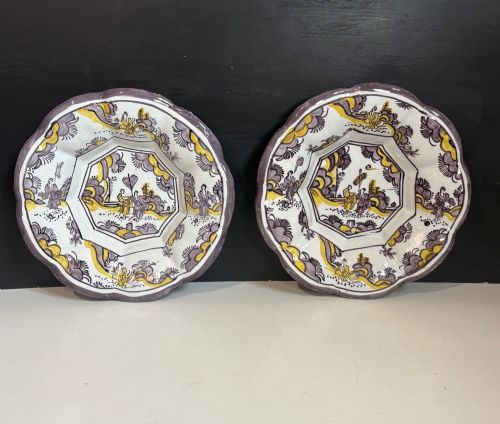
Polychrome refers to decoration utilising multiple colours rather than a single pigment like cobalt blue. Painters added greens, yellows, reds, and manganese purples to create vibrant floral, figural, or geometric patterns.
These multi-coloured designs required careful kiln firing to fix the various mineral oxides successfully onto the opaque white tin glaze surface.
Why are some plates called chargers?
Chargers are unusually large plates, generally exceeding thirty centimetres in diameter, designed primarily for ceremonial display or serving communal feasts. In earlier centuries, they occupied central positions on sideboards or dining tables.
Their generous surface area provided artisans with an expansive canvas for detailed armorial crests, historical scenes, or elaborate floral compositions.