



Painted Bird Porcelain Plate
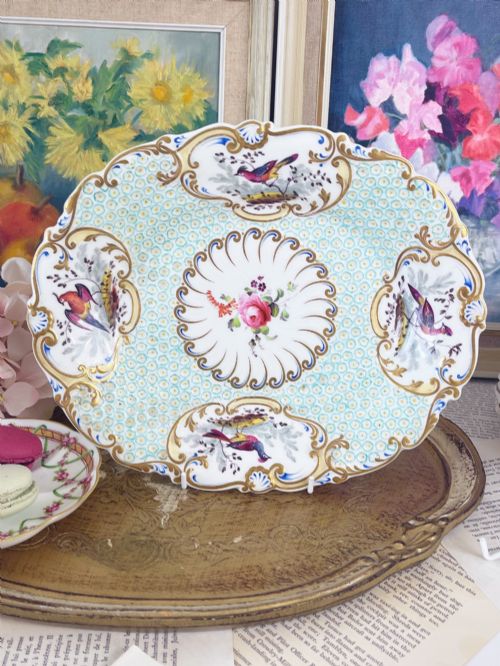
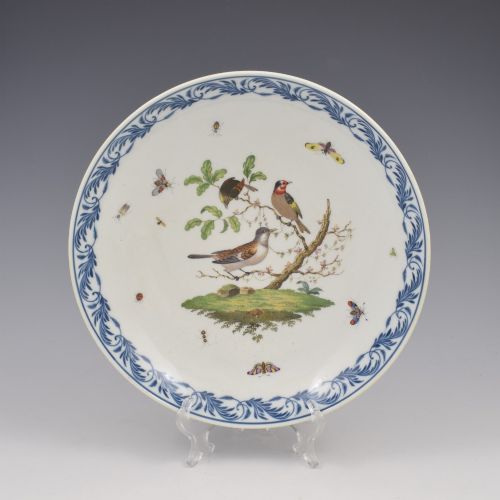
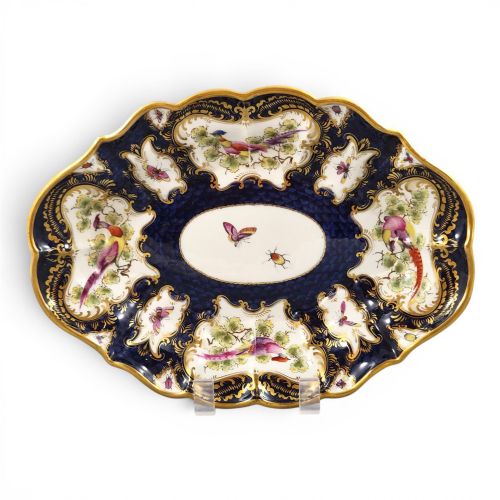
A painted bird porcelain plate brings feathered detail and handpainted colour straight to the table from periods spanning the eighteenth century to the twentieth.
Painted Bird Porcelain Plate
A painted bird porcelain plate is a decorative dish, dessert plate, or cabinet plate featuring handpainted avian subjects. The pieces encountered here range from eighteenth-century English factories like Worcester through Regency Wedgwood to continental works by Meissen and nineteenth-century Japanese Kutani or Imari wares.
Makers utilised porcelain, bone china, ceramic, and stone china as canvases for ornithological studies, exotic birds, and game bird subjects. Forms vary from shallow bowls and soup dishes to large chargers and oval serving dishes, often enriched with gilding or reticulated borders.
English examples favour named species or fancy birds framed by blue scale or wet blue grounds, while continental and Japanese pieces present elaborate plumage within floral or Imari palettes. Buyers typically select these items for display in cabinets or use upon formal dessert tables.
How they were made
Potters formed these items using hard-paste porcelain, bone china, or ceramic bodies, shaping them into plates, dishes, and chargers on the wheel or in moulds. Factories then applied enamel pigments by hand to render intricate bird feathers, foliage, and background scenery.
Gilding with gold leaf, gilt, or standard gold highlights was frequently added to rims, handles, and borders, often requiring a secondary kiln firing to bond the metal to the glaze. Many European and Japanese establishments marked their finished wares with factory symbols, crossed swords, or artist signatures.
House sparrows and lapwings occasionally steal the limelight from exotic birds.
What varies in quality
Quality rests primarily upon the skill of the handpainting, distinguishing naturalistic ornithological studies and finely brushed exotic plumage from simpler decorative fills. The crispness of the porcelain body, whether bone china, hard-paste porcelain, or stone china, also defines the tier of the piece.
The application of secondary embellishments such as gold leaf, gilding, blue scale grounds, and reticulated pierced work elevates certain plates into cabinet status. Maker attribution, ranging from First Period Worcester and Meissen to signed Shozo Kutani, elevates the standing of individual dishes.
H and R Daniel·Wedgwood·Meissen·Royal Worcester·Grainger and Co·Flight Barr and Barr·Crescent China·Shozo·Davenport
The Painted Bird Porcelain Plate Glossary
- Cabinet plate
- A decorative dish intended for display within a glazed piece of furniture rather than for dining use. These items usually feature intricate handpainted scenes and gilt borders.
- Bone china
- A type of soft-paste porcelain incorporating bone ash, developed in England to create a durable, bright white ceramic body. It accepts detailed enamel painting exceptionally well.
- Imari
- A style of Japanese export porcelain characterised by a palette of underglaze blue, iron red, and gold. Designs frequently incorporate floral motifs alongside exotic birds.
- Reticulated
- Describes ceramics featuring openwork patterns pierced through the clay body before firing. This technique creates delicate lattice rims on plates and dessert dishes.
- Hard-paste porcelain
- A true ceramic composition fired at high temperatures using kaolin and petuntse. It produces a dense, vitrified body that resists scratching and absorbs enamel colours cleanly.
Painted Bird Porcelain Plate: Frequently Asked Questions
How were painted bird porcelain plates used?
These pieces served as dessert dishes, soup plates, and tea plates during formal meals in the eighteenth and nineteenth centuries. Later examples functioned primarily as cabinet plates for display.
Today, collectors use them to add historical colour to dining rooms or exhibit them upright in plate racks and display cabinets.
How do I identify eighteenth-century Worcester bird plates?
Look for characteristic soft-paste porcelain bodies paired with wet blue or blue scale grounds framing detailed fancy birds. First Period pieces often feature specific scalloped or shaped rims typical of the period.
Examining the foot ring and underside can also reveal early crescent or square mark variations used by the factory.
What is the difference between European and Japanese bird plates?
European factories like Meissen and Worcester focused on naturalistic ornithological studies or fanciful European interpretations of exotic birds. These often include gilded Rococo scrolls and botanical surrounds.
Japanese Meiji period Imari and Kutani wares utilise dense iron red and blue palettes, presenting house sparrows or exotic birds amidst native flora.
Can I use antique porcelain plates for food?
While these items were originally made for dining and dessert service, the age of the enamel and gilding requires careful consideration. Hand washing in warm water without harsh detergents protects the painted bird details.
Modern dishwashers and microwaves should be avoided entirely to preserve the fragile ceramic bodies and gold leaf.