


Antique Porcelain Soup Plate
These antique porcelain soup plate examples bring eighteenth-century dining grandeur to the table.
Antique Porcelain Soup Plate
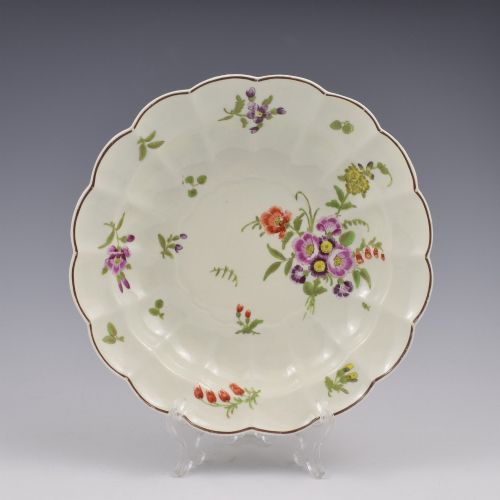
An antique porcelain soup plate provides a deep centre and wide rim designed for serving broth and soup at formal meals. Collectors encounter various forms here, including Chinese export pieces alongside English factory works from the eighteenth and nineteenth centuries.
The listings span multiple periods from the eighteenth century through to the early twentieth century, showing styles such as Georgian, Victorian, and Qing Dynasty. Porcelain sits alongside creamware and ironstone across these utilitarian yet decorative dishes.
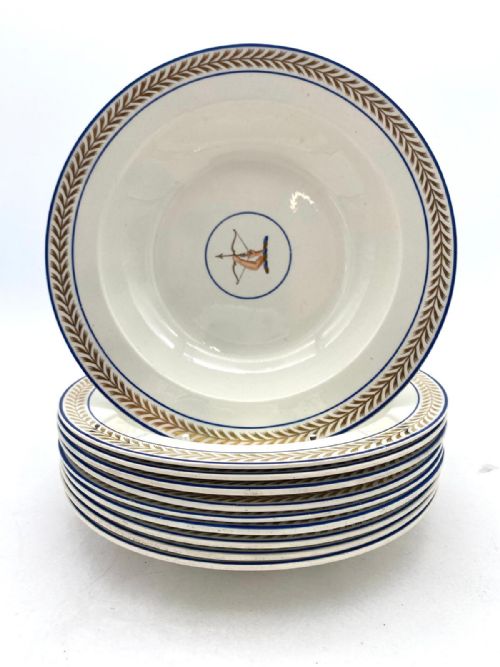
Most pieces show their age through subtle wear to enamels and gilding, reflecting decades of historic service. Buyers find items ranging from single armorial display plates to matching sets intended for substantial dinner services.
How they were made
Potters shaped these vessels using hard-paste or soft-paste porcelain, earthenware, creamware, and ironstone, applying smooth glazes before firing. Artisans then hand-painted intricate enamels and applied gold leaf accents to the surfaces.
Factories utilised specialised moulds for lobed, octagonal, or circular profiles to ensure uniformity across dinnerware sets. Kiln temperatures and glaze compositions determined the ultimate finish and durability of each plate.
Dine with caution: some eighteenth-century noble soup recipients were likely too busy admiring their own crests to notice the broth getting cold.
What varies in quality
The precision and detail of the hand-painted enamel decoration distinguish finer works from standard production pieces. Armorial designs commissioned for specific families often display superior artistic execution compared to generic patterns.
The crispness of moulded relief work and the preservation of gilding indicate the level of craftsmanship involved. Early soft-paste bodies and delicate Chinese export porcelains present distinct tactile qualities that elevate the standing of a piece.
Wedgwood·Masons·Coalport·Royal Worcester·Barr Flight And Barr
The Antique Porcelain Soup Plate Glossary
- Armorial
- Bearing a coat of arms or heraldic crest. These bespoke commissions identify the original aristocratic or wealthy patrons who ordered the porcelain.
- Soft-paste porcelain
- A ceramic composition fired at lower temperatures than hard-paste porcelain. It often exhibits a warmer glaze appearance and subtle translucency under light.
- Creamware
- A refined earthenware body with a pale yellowish-cream glaze developed in the eighteenth century. It served as a practical and popular alternative to imported porcelain.
- Enamel
- Opaque glass-like pigments fused to the ceramic surface through secondary firing. This technique allows for vibrant multi-coloured decoration across the rim and well.
- Ironstone
- A heavy, durable type of earthenware patented in the nineteenth century. It resists chipping and provided sturdy service for busy dining rooms.
Antique Porcelain Soup Plate: Frequently Asked Questions
How do I use an antique soup plate today?
These pieces function well for serving first courses or as decorative wall and cabinet display items. Hand washing protects the historic enamels and fragile gold leaf from modern detergents.
Using them gently for special occasions connects the dining table to centuries of domestic tradition.
Are soup plates different from soup bowls?
Soup plates feature a flat, wide rim surrounding a central depression, bridging the design of a standard plate and a deep bowl. This rim originally kept hands safe from hot broth and held bread.
Soup bowls lack this distinct flat border, presenting a more rounded or steep-sided vessel profile.
How can I tell eighteenth-century porcelain apart?
Eighteenth-century pieces often display hand-mixed soft-paste bodies with slight irregularities and poolings of glaze near the foot ring. Stylistic markers like Chinese export motifs or early English factory patterns help confirm the era.
Examining the foot rim for unglazed surfaces provides further clues regarding the firing methods of the period.
What is Chinese export porcelain?
Chinese export porcelain refers to wares manufactured in China specifically for Western markets during the Qing Dynasty and earlier. These items combined traditional Asian shapes and techniques with European armorial designs.
They arrived via trade fleets to satisfy the European demand for fine dinnerware.