
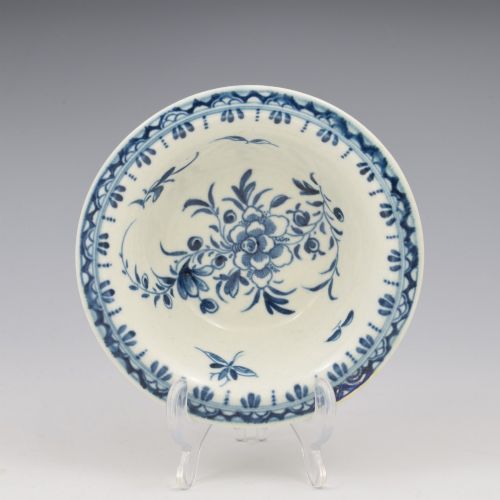
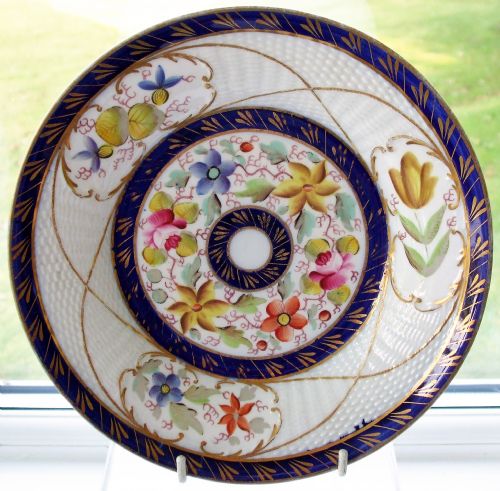


Georgian Saucer Dish
A georgian saucer dish brings eighteenth and nineteenth-century porcelain and glass directly to the table.
Georgian Saucer Dish
A georgian saucer dish encompasses eighteenth and nineteenth-century porcelain and glass designed for the table or cabinet. When searching this phrase, buyers encounter soft-paste porcelain, bone china and glass pieces originating from English factories.
The versions most commonly met on this page span the eighteenth century and the regency period, featuring forms such as saucer dishes, decorative plates and sweetmeat plates. These items often display rich polychrome enamel work, cobalt underglaze or gilded highlights.
How they were made
Potters shaped soft-paste porcelain and bone china before applying intricate hand-painted enamel colours and cobalt underglaze designs. Artisans frequently added gold leaf, gilding and glaze to enhance the finished surface.
Glass pieces from the early eighteenth century required specialist blowing and forming techniques to create sturdy sweetmeat or ice plates. Factories relied on skilled painters to execute complex chinoiserie scenes, bird motifs and floral patterns.
Listings feature pieces spanning the eighteenth and nineteenth centuries, utilising soft-paste porcelain, bone china, glass and enamel.
What varies in quality
The refinement of the painted decoration distinguishes superior examples from simpler factory output. Precision in enamel brushwork and the vibrancy of cobalt underglaze indicate the skill of the original decorator.
The application and preservation of gold leaf and gilding affect the overall visual impact of each piece. Purity of the porcelain body and the complexity of patterns, such as fancy birds or chinoiserie, mark out the finer specimens.
Dr Wall Worcester·New Hall Porcelain·Barr Flight and Barr·Spode Bone China
The Georgian Saucer Dish Glossary
- Soft-paste porcelain
- An early ceramic composition fired at lower temperatures than hard-paste porcelain. It often exhibits a warm, creamy translucency.
- Cobalt underglaze
- A blue pigment applied to pottery before glazing and firing. This technique ensures the colour remains permanent and protected beneath the glassy surface.
- Chinoiserie
- A European artistic style reflecting Chinese motifs and imaginary landscapes. It appears frequently on eighteenth-century porcelain.
- Sweetmeat plate
- A small dish intended for serving small confectionery items or sweet preserves. These plates often feature thick glass or porcelain construction.
- Gilding
- The application of gold or gold leaf to ceramic surfaces for decoration. Collectors look for the completeness and burnishing of this finish.
Georgian Saucer Dish: Frequently Asked Questions
What distinguishes a saucer dish from a standard saucer?
A saucer dish typically possesses a slightly larger or deeper form than a standard teacup saucer, allowing it to function independently as a small serving dish or decorative plate.
Many examples from the eighteenth century were produced as part of larger tea services or specifically for sweetmeats and fruits.
How do I identify a piece from the eighteenth century?
Eighteenth-century porcelain often displays the characteristic weight, glaze pooling and soft-paste body composition typical of early English factories.
Examining the underglaze blue work, enamel pigments and painted motifs helps confirm the manufacturing era.
Are these dishes suitable for daily use?
While structurally sound, these pieces are antique ceramics and glass containing delicate enamel work, gilding and soft bodies.
Collectors generally reserve them for display cabinet use or gentle handling rather than regular dining.
What is the difference between porcelain and bone china here?
Porcelain in these listings often refers to eighteenth-century soft-paste bodies containing glass frit and white clay. Bone china, emerging later, incorporates calcined bone ash for greater strength and a whiter appearance.