
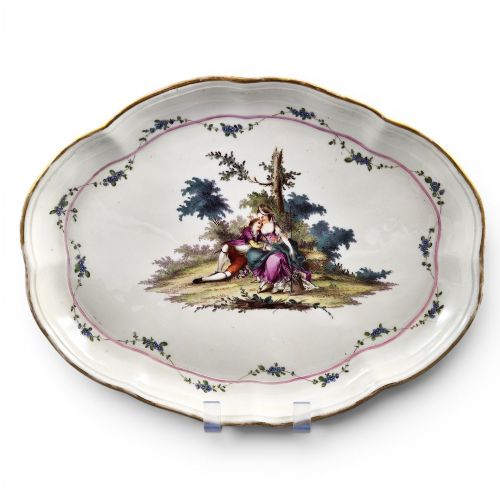
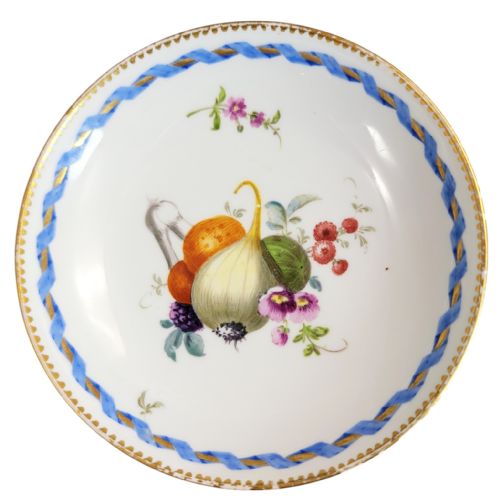


18th Century China Dish
An 18th century china dish brings centuries of ceramic artistry and refined table service directly into the modern home.
18th Century China Dish
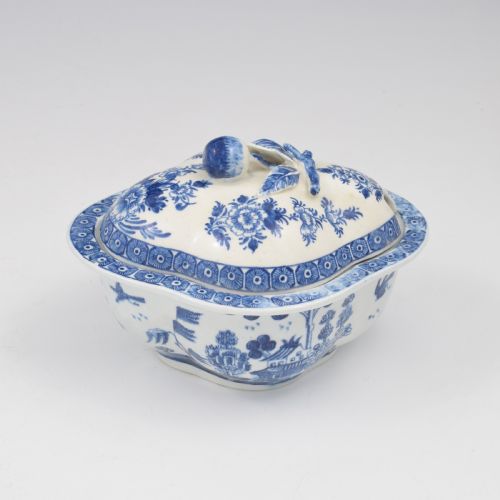
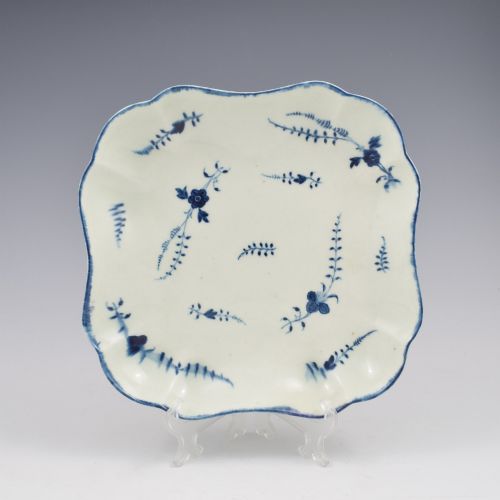
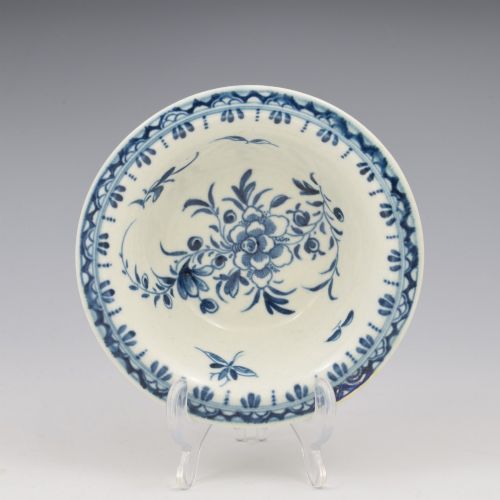
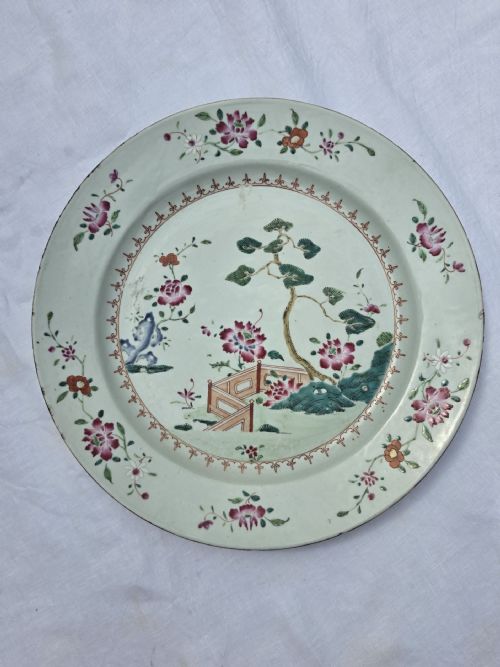
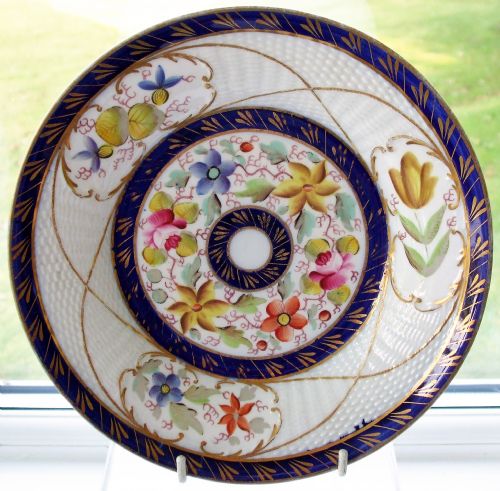
When searching for an 18th century china dish, a buyer encounters domestic and imported tableware ranging from small pickle dishes and saucers to large chargers and tureens. These items span English factories like Derby, Worcester, Bow, and Caughley, alongside continental European porcelain and Chinese Export wares made for Western markets.
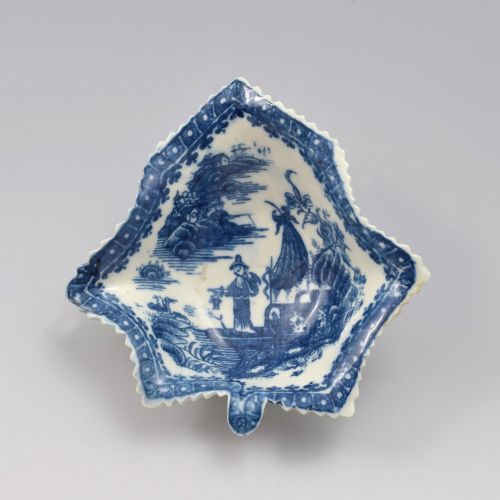
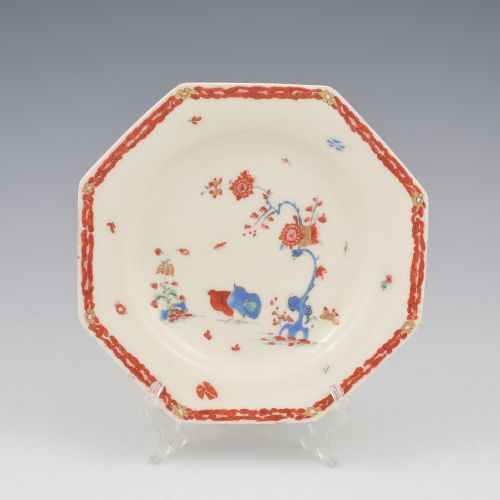
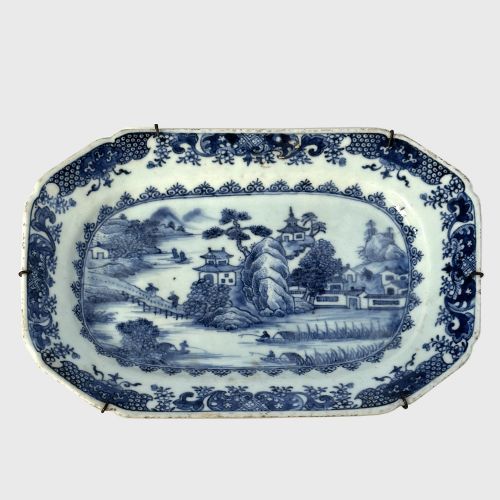
The most common pieces on this page are plates, serving dishes, and platters created during the Georgian era and the Qing Dynasty. Buyers look to these ceramics for their handpainted patterns, which include blue and white floral motifs, Kakiemon bird designs, and Famille Rose palettes.
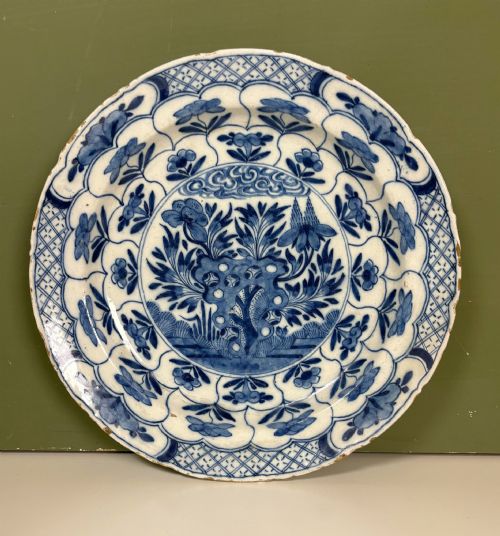
The assortment also includes delftware plates and specialised serving vessels that reflect the dining habits of the seventeen-hundreds. Each object carries the material characteristics of its origin, distinguishing English soft-paste bodies from hard-paste Chinese export porcelain.
Materials and Techniques
Potters of this period utilised soft-paste and hard-paste porcelain, earthenware, and tin-glazed delft bodies to form their dishes. Soft-paste porcelain, common in English factories such as Chelsea and Bow, provides a warm, creamy ground for underglaze blue and polychrome enamels.
Craftsmen applied decoration through handpainted brushwork, sometimes combining cobalt glaze with gold leaf highlights and overglaze enamel colours. Moulding techniques were frequently employed to create shaped rims, leaf-shaped pickle trays, and lobed serving platters before firing in kilns.
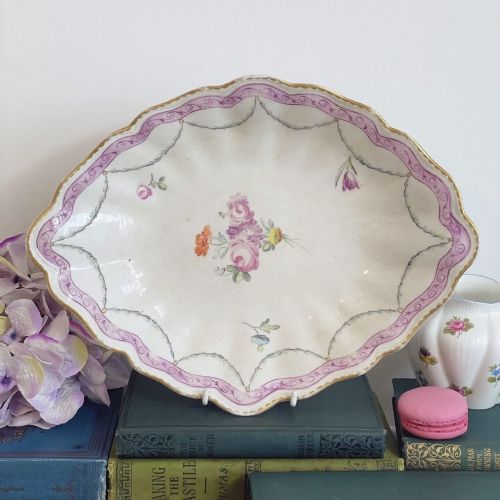
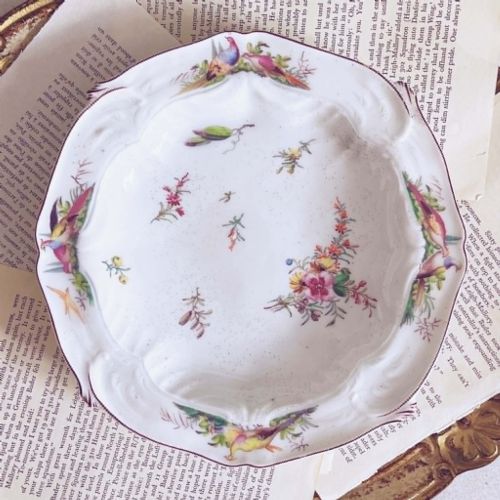
Form variations on this page include leaf-shaped pickle trays, octagonal plates, lobed dishes, and deep soup plates.
Evaluating Quality
The standard of an 18th century dish rests upon the crispness of the moulding and the skill of the handpainted details. Superior pieces display precise brushwork, vibrant polychrome enamels, and a well-finished glaze free of excessive kiln debris.
Factory marks and documented patterns further distinguish finer examples, particularly when attributed to notable periods like the First Period of Worcester or specific decorators. The harmony between the ceramic body and the painted design governs the overall visual impact of the piece.
Caughley·Derby·Chelsea·Bow·Dr Wall Worcester·Meissen·Sevres·Liverpool Pennington
The 18th Century China Dish Glossary
- Soft-paste porcelain
- A ceramic composition made from white clay mixed with glass frit and other materials, fired at lower temperatures than hard-paste. This body was widely utilised by English factories in the eighteenth century.
- Famille Rose
- A palette of opaque overglaze enamels dominated by pink or rose colours, introduced in Chinese porcelain decoration during the Qing Dynasty.
- Kakiemon
- A style of Japanese porcelain decoration featuring asymmetrical painted motifs of birds, flowers, and quails, which European factories frequently copied.
- Delft
- Tin-glazed earthenware produced in England and the Netherlands, typically decorated with blue designs on a white background.
- Charger
- A large decorative plate utilised primarily for serving food or as a centerpiece on dining tables during the Georgian period.
18th Century China Dish: Frequently Asked Questions
How do I identify a soft-paste porcelain dish?
Soft-paste porcelain often displays a warmer, slightly creamy tone under the glaze and may show small translucency variations when held to the light. These pieces were common in eighteenth-century English factories.
Examinations of the unglazed foot rim can also reveal a softer ceramic body compared to later hard-paste porcelain.
Were these dishes used for everyday dining?
Many of these plates and platters formed part of active dining services for wealthy households during the Georgian period. They served dishes at formal meals rather than daily casual dining.
Over time, surviving pieces transitioned from functional table service to decorative display objects.
How should I clean an antique porcelain dish?
Antique porcelain requires gentle hand washing in lukewarm water with mild soap. Avoid abrasive sponges or harsh detergents that can damage the historical glaze and overglaze enamels.
Dry the piece thoroughly with a soft cloth immediately after washing.
What is Chinese Export porcelain?
Chinese Export porcelain refers to ceramics manufactured in China specifically for trade and sale to Western markets during the Qing Dynasty. These wares often combined traditional Chinese craftsmanship with European shapes and armorial designs.
They represent a major component of eighteenth-century international commerce.