



Antique Porcelain Saucer Dish
An antique porcelain saucer dish holds small reserves of tea or presents cabinet decoration, forged across centuries of European and Asian kilns.
Antique Porcelain Saucer Dish
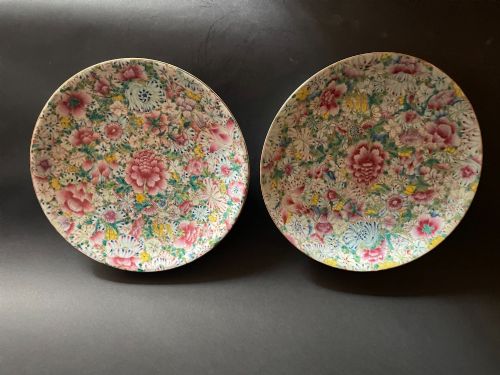
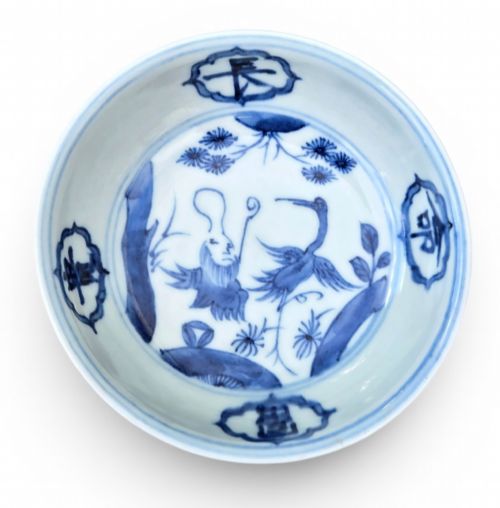
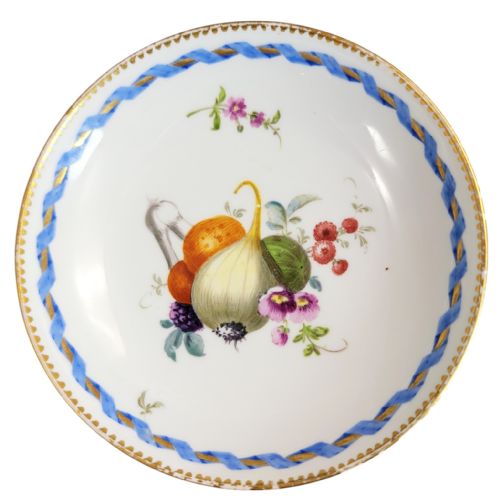
An antique porcelain saucer dish spans shallow tea vessels, cabinet plates, and small decorative platters originating from English factories, continental manufactories, and East Asian kilns. When searching for an antique porcelain saucer dish, a buyer encounters forms ranging from eighteenth-century English soft-paste porcelain to nineteenth-century Japanese imari and Chinese export wares.
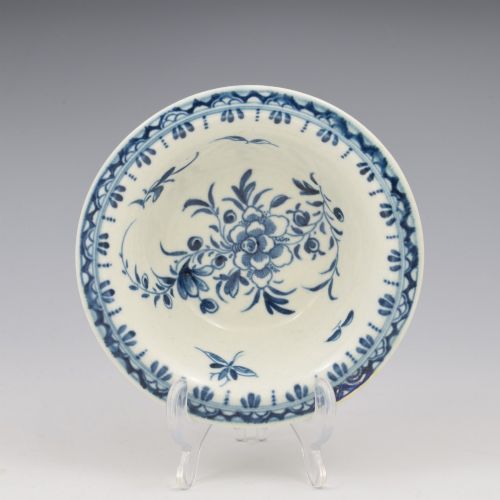
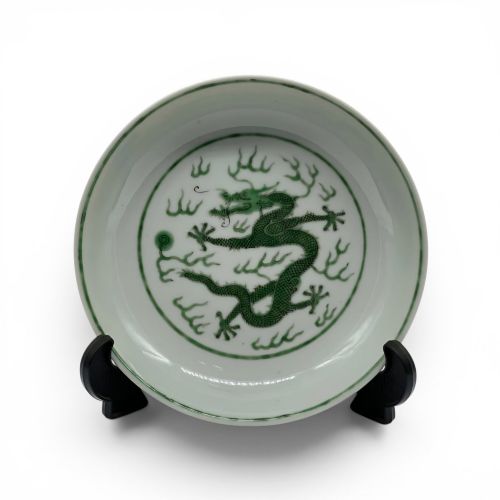
The listings on this page include eighteenth-century Worcester saucer dishes, Chinese Qing dynasty plates, and Japanese Satsuma wares. These objects function as standalone cabinet pieces, tea service components, or decorative dishes intended for display.
Domestic English productions from New Hall, Royal Worcester, and Derby sit alongside Chinese blue and white porcelain and Japanese Arita and Imari pieces. Each item reflects the specific domestic habits or export trades of its period of manufacture.
Materials and Techniques
Potters shaped these pieces from hard-paste porcelain, soft-paste porcelain, and celadon bodies, applying cobalt glaze, enamel, and gold leaf by hand. Worcester and New Hall utilised soft-paste porcelain bodies during the eighteenth century, while East Asian kilns relied on high-fired porcelain clay.
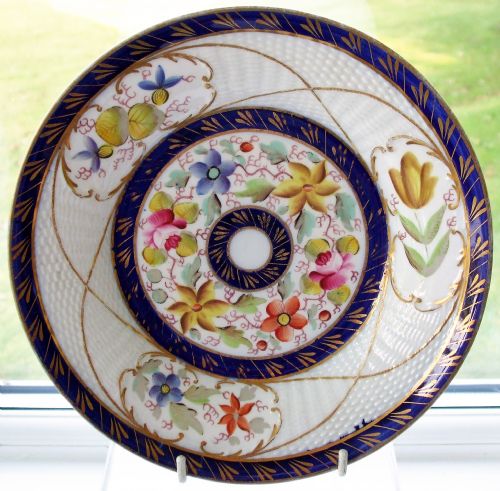
Decorators applied cobalt blue underglaze pigments before firing, or added overglaze enamels and gilding in subsequent low-temperature kilns. Pieces from Meissen, Royal Vienna, and Japanese workshops combined hand-painted motifs with gilt borders and cobalt grounds.
Listings feature periods spanning the seventeenth century through to the 1940s, utilising porcelain, enamel, gold leaf, and cobalt glaze.
Standards of Execution
Quality rests upon the precision of the hand-painted brushwork, the purity of the porcelain body, and the crispness of the underglaze cobalt or overglaze enamel. Pieces with finely delineated botanical studies, figures, or heraldic scenes demonstrate superior control by the painter.
The stability of the glaze during firing and the retention of delicate gold leaf gilding distinguish finer cabinet specimens from utilitarian wares. Early Worcester and Meissen examples show meticulous attention to potting thickness and colour saturation.
Dr Wall Worcester·New Hall Porcelain·Royal Worcester·Royal Crown Derby·Royal Vienna
The Antique Porcelain Saucer Dish Glossary
- Soft-paste porcelain
- A glassy porcelain composition fired at lower temperatures than hard-paste, common in eighteenth-century English manufactories. This material absorbs glaze differently and often reveals a warmer tone under light.
- Imari
- A Japanese export porcelain style featuring iron red, underglaze blue, and gold decoration. Artisans produced these vibrant patterns primarily for European markets.
- Cobalt glaze
- A metallic oxide pigment applied beneath the glaze to produce deep blue designs during high-temperature firing. This pigment remains stable under intense kiln heat.
- Cabinet plate
- A decorative dish intended for display in a cabinet rather than functional dining use. These pieces often feature elaborate painted scenes and extensive gilding.
- Celadon
- A transparent pale green glaze applied over a high-fired porcelain body, often associated with historic Chinese kilns. The glaze resembles jade in colour and texture.
Antique Porcelain Saucer Dish: Frequently Asked Questions
What is a saucer dish?
A saucer dish is a shallow ceramic vessel designed for serving tea or displaying decorative motifs in domestic interiors. These pieces bridge the gap between small tea bowls and larger cabinet plates.
Craftsmen produced them in various diameters to accommodate tea wares or to hang as wall decorations in period homes.
How were Japanese imari dishes used?
Japanese imari dishes served primarily as export items for wealthy European households seeking decorative ceramics for dining and display. Their strong iron red and blue colour schemes suited formal rooms.
Over time, these pieces transitioned from functional tablewares to cherished cabinet collection items.
Can I display antique plates on walls?
Displaying antique plates on walls requires specialised coated wire hangers that distribute pressure evenly across the rim and foot. This method secures the ceramic safely without damaging the glaze.
Placement should avoid direct sunlight to protect vulnerable overglaze enamels and gold leaf highlights.