




Ormolu Style Hall Table
An ormolu style hall table brings gilded metal mounts and marble tops into an entranceway, offering a classic surface for lamps and visitors' keys.
Ormolu Style Hall Table
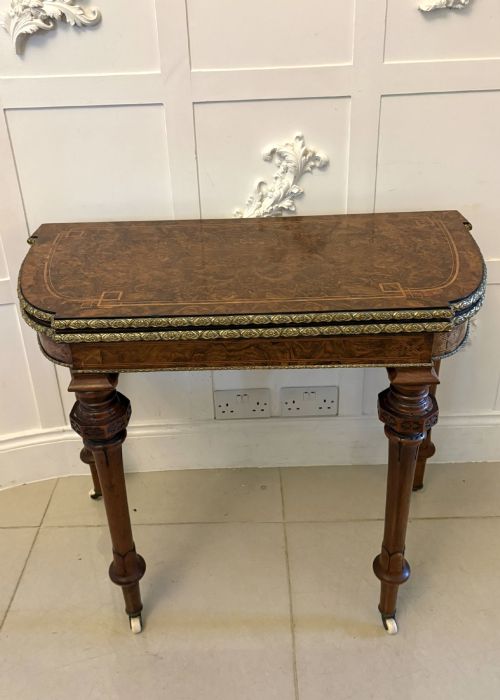
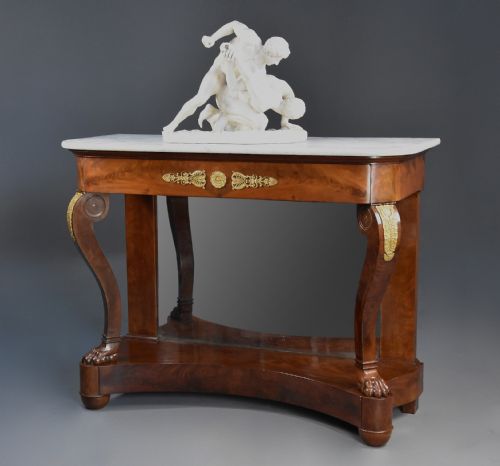
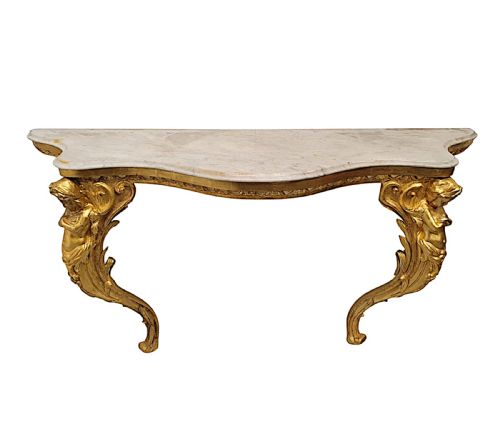
An ormolu style hall table stands as a decorative focal point in a narrow space or entrance hall, often taking the form of a console, centre, or side table. These pieces combine rich timbers with striking surface materials to create an impressive first impression for guests.
The versions met most frequently on this page date from the nineteenth century, reflecting French Empire, Louis XVI, and Rococo revival tastes. Makers utilised mahogany, walnut, kingwood, and burr walnut, frequently pairing them with contrasting inlay and polished stone.
Console tables and demi-lune shapes sit flush against walls, whilst round or oval centre tables occupy larger hallways. Each piece demonstrates the enduring nineteenth-century enthusiasm for classical European furniture design.
How they were made
Cabinetmakers constructed the foundational carcases from dense timbers such as mahogany, walnut, and kingwood, often applying intricate parquetry, marquetry, or silver inlay across the surfaces. Skilled artisans then fitted heavy marble or glass tops into the wooden frames to provide both durability and a refined finish.
Gilt bronze and brass mounts, commonly referred to as ormolu, were cast and chased separately before being secured to the corners, apron, and legs of the table. This combination of fine woodworking and metal ornamentation required collaboration between specialist joiners and metalworkers.
Several tables arrive with marble tops heavy enough to test the resilience of any hallway floorboards.
What varies in quality
The standard of a piece depends on the crispness of the cast metal mounts and the depth of the timber grain used in the construction. Finer examples display hand-chased detail within the ormolu alongside meticulously matched veneers and harmonious proportions.
Simpler tables rely on straightforward mahogany or walnut without extensive marquetry, whilst superior specimens incorporate parquetry, silver inlay, and thick marble slabs. The complexity of the revival style, from restrained Louis XVI lines to elaborate Rococo curves, dictates the level of artisan labour involved.
Francoise Linke
The Ormolu Style Hall Table Glossary
- Ormolu
- Gilded bronze mounts applied to furniture. This technique involves coating metal with gold amalgam to achieve a bright, enduring golden finish.
- Console table
- A table designed to stand against a wall, frequently supported by two front legs or brackets. These pieces are traditionally shaped to fit narrow hallways.
- Parquetry
- Geometric patterns formed by small pieces of wood veneer fitted together. This technique decorates table tops and friezes with repeating squares or triangles.
- Demi-lune
- A half-moon shape characteristic of tables designed to stand flat against an entrance wall. This form maximises floor space in compact rooms.
Ormolu Style Hall Table: Frequently Asked Questions
What is an ormolu style hall table?
An ormolu style hall table is a decorative surface featuring gilded bronze mounts and often topped with marble, designed for placement in an entrance hall or reception room.
These pieces typically follow nineteenth-century French revival styles, combining timbers like mahogany and walnut with ornate metal decoration.
Where should I place a console table?
Console tables fit neatly against a flat wall in a hallway, corridor, or living room. Their shallow depth allows them to occupy narrow spaces without obstructing movement.
They provide a practical surface for lighting, mirrors, and everyday items whilst introducing period character to an interior.
How do I identify a nineteenth-century piece?
Nineteenth-century tables often display revival aesthetics such as Louis XVI, French Empire, or Rococo motifs executed in mahogany, walnut, or kingwood. Construction details include hand-chased ormolu mounts and heavy marble or glass top inserts.
Makers of this era frequently employed parquetry, marquetry, and silver inlay to achieve elaborate decorative effects.
What maintenance do marble tops require?
Marble tops benefit from regular dusting with a soft cloth and prompt wiping of any liquid spills to prevent staining. Avoid acidic cleaning products that can etch the polished stone surface.
Applying a specialist stone wax helps maintain the sheen and protects the natural material over time.