
Ormolu Bronze Candlesticks
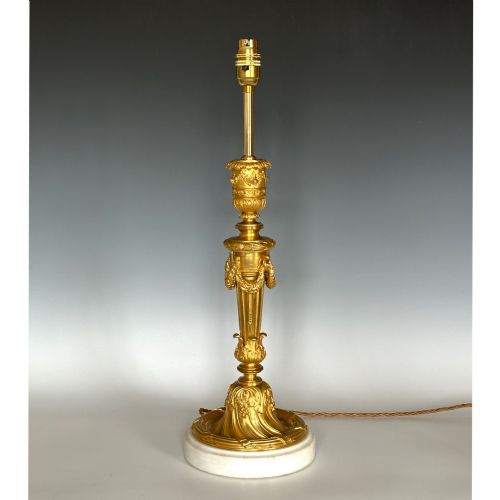
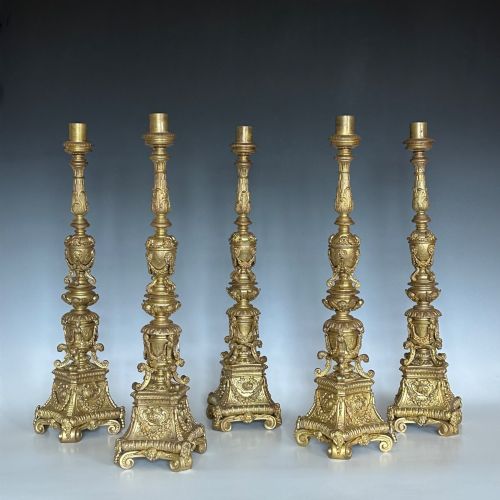
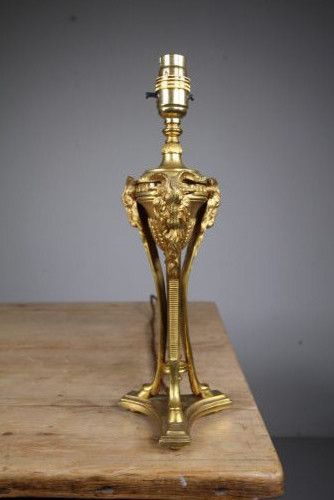
These ormolu bronze candlesticks bring warmth and classic French style to a room, offering the heavy metalwork and gilding that collectors seek.
Understanding ormolu bronze candlesticks
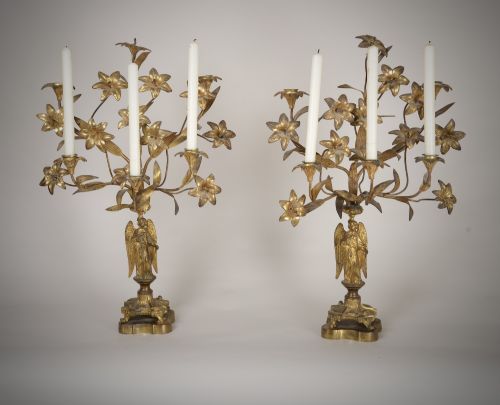
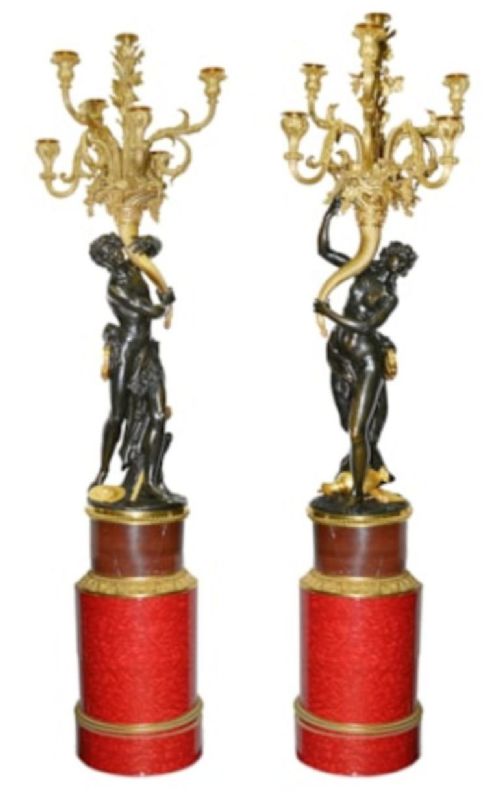
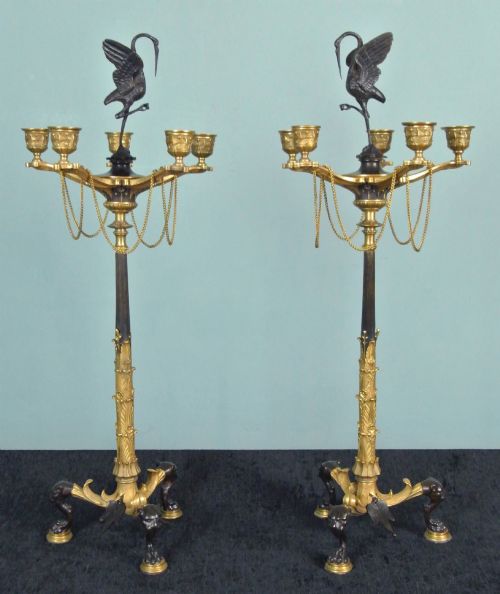
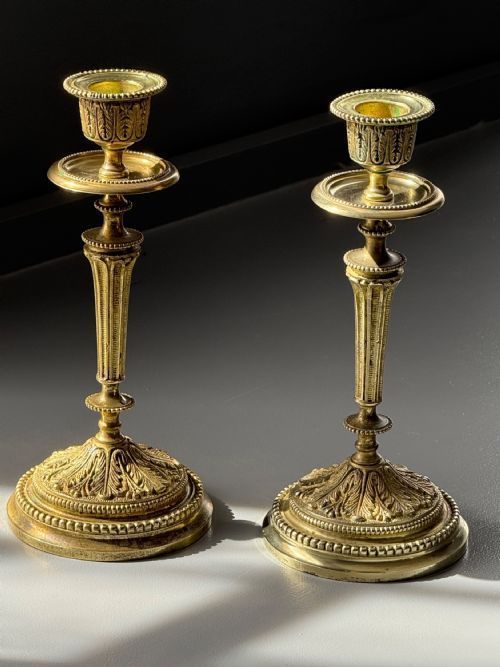
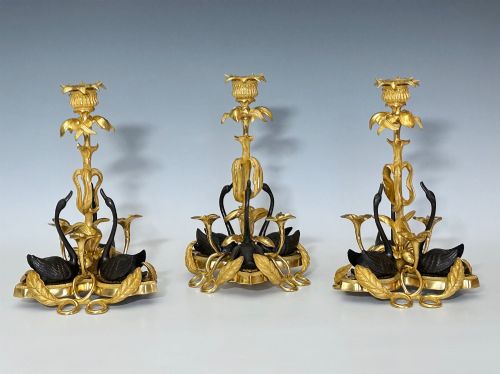
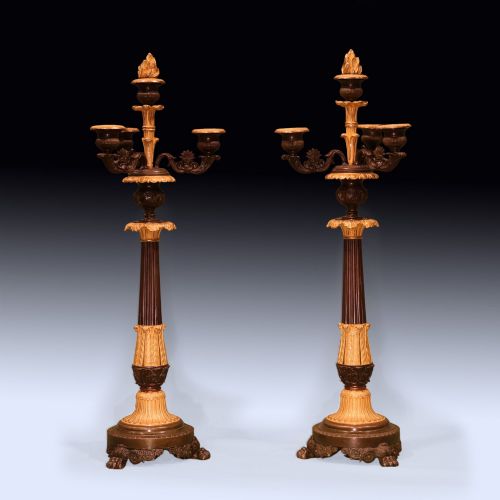
When you search for ormolu bronze candlesticks, you are looking at dual-metal lighting pieces that combine dark patinated bronze with bright gilded highlights. The selection spans the nineteenth century, taking in Regency, George IV, William IV, Charles X, and French Empire Revival periods.
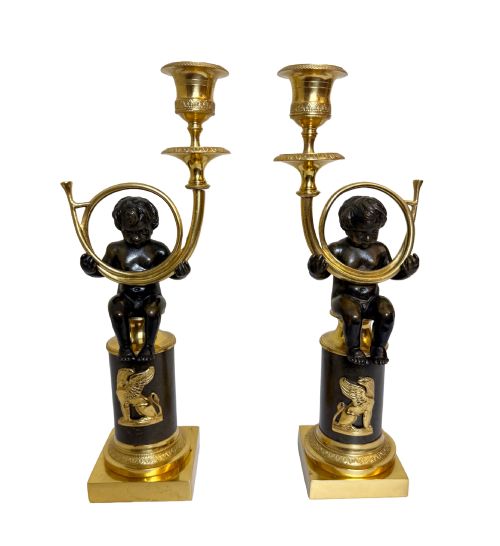
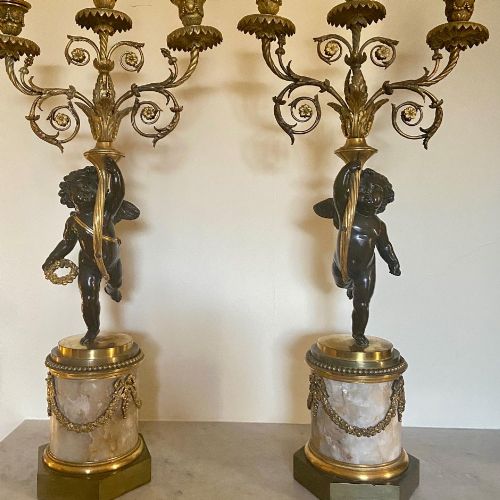
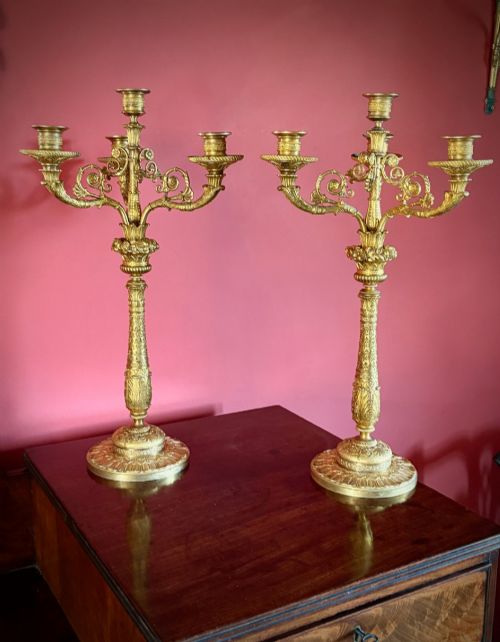
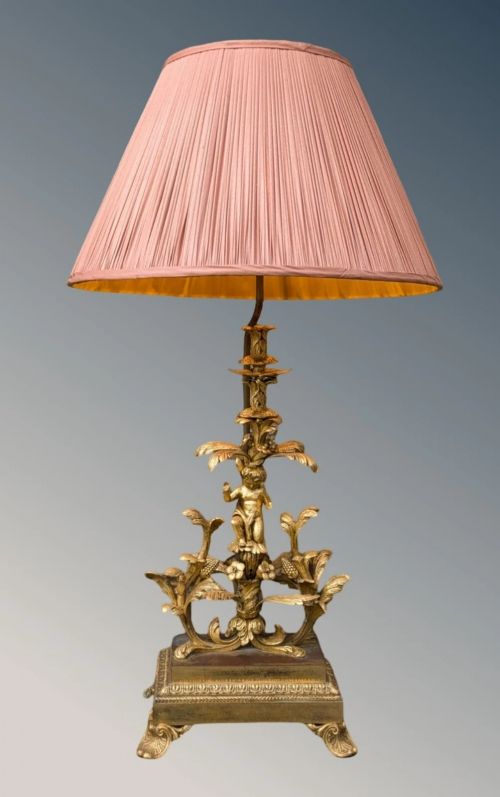
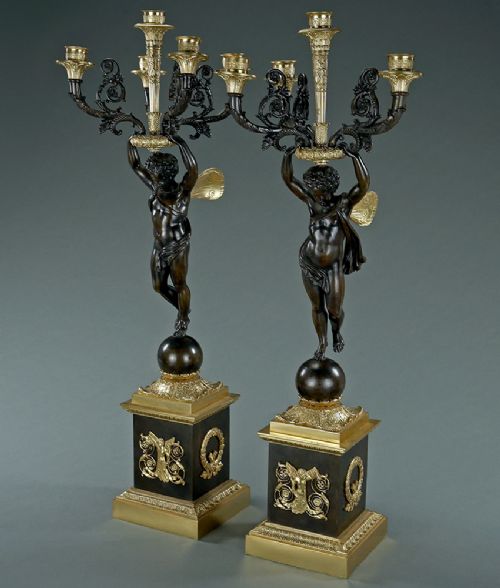
Most examples appear as pairs and take the form of standard candlesticks or larger candelabra. Styles lean heavily towards French neoclassical, Louis XVI, and rococo designs, occasionally featuring figural elements such as cherubs or putti.
Origin is predominantly French or English Grand Tour production, capturing the formal tastes of the nineteenth century. These objects served to reflect candlelight in grand interiors, utilising the contrast between polished gilding and dark bronze.
Materials and construction
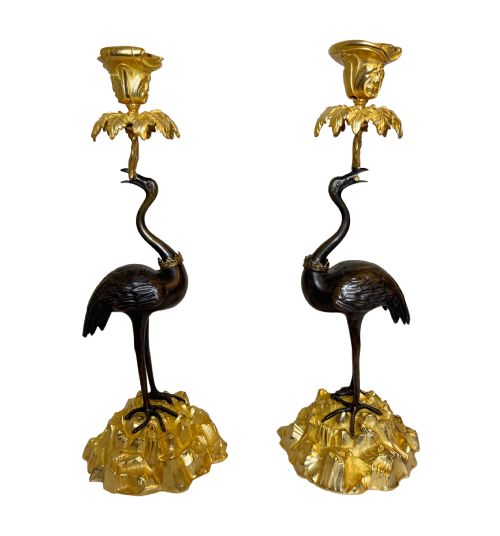
The construction relies on two distinct bronze treatments paired together in a single object. Patinated bronze provides a dark, matte body, while ormolu - gilt bronze - provides the bright, golden decorative mounts and details.
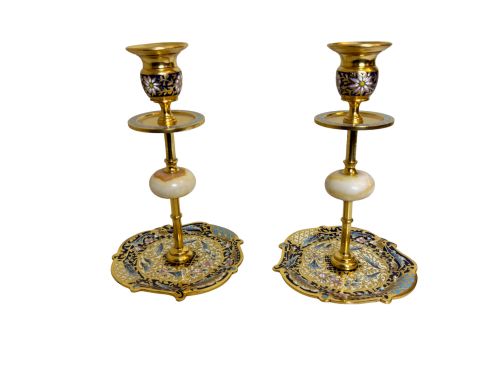
Makers cast the bronze components in sections before finishing the surfaces by hand with chiselling and mercury gilding. Selected pieces incorporate additional decorative techniques, including champleve enamel work in Turkish styles.
Several pairs feature cheerful little cherubs and putti holding up the candle sockets.
Judging quality in ormolu and bronze
The durability and richness of the gold gilding also separate standard production from high-end work. Well-cast pairs maintain a heavy, balanced weight and clean junctions between the patinated bronze and the gilt mounts.
The Ormolu Bronze Candlesticks Glossary
- Ormolu
- Gilt bronze created by applying a gold and mercury amalgam to a bronze base and heating it to drive off the mercury. This technique produces a rich, durable golden surface.
- Patinated bronze
- Bronze that has been treated chemically to darken the surface, creating a contrasting matte background against bright ormolu elements.
- Grand Tour
- A cultural tour of Europe undertaken by wealthy young men in the eighteenth and nineteenth centuries, often resulting in the acquisition of bronze works and souvenirs.
- Candelabra
- A branched lighting fixture designed to hold multiple candles at once, frequently sharing decorative vocabularies with single candlesticks.
Frequently Asked Questions
Are these candlesticks sold as pairs?
The majority of pieces recorded in the archive and current listings are offered as matching pairs. This reflects how formal lighting was traditionally displayed symmetrically on mantelpieces or sideboards.
Single pieces appear less frequently, so buyers seeking balanced decorative arrangements will find that pairs dominate the selection.
How do I identify the period?
Dating relies on stylistic clues, such as the architectural symmetry of Louis XVI designs versus the flowing asymmetry of rococo work. Regency and Charles X pieces often combine specific neoclassical motifs with distinct patination.
Examining the casting technique and the crispness of the chased details also helps narrow down whether a piece originates from the early or late nineteenth century.
How should I clean ormolu?
Ormolu requires gentle dusting with a soft, dry cloth to protect the delicate gold layer. Avoid abrasive polishes, harsh chemical cleaners, and metal dips, as these can strip away the historical gilding.
Professional care is recommended if the bronze requires deeper cleaning to remove accumulated grime without altering the surface patination.
Where were these pieces made?
Many of the pieces originate from French workshops operating during the Empire, Restauration, and subsequent nineteenth-century periods. Other examples stem from English makers working in the Regency and William IV styles.
Grand Tour pieces were also produced specifically for travellers acquiring souvenirs abroad to bring back to British homes.