


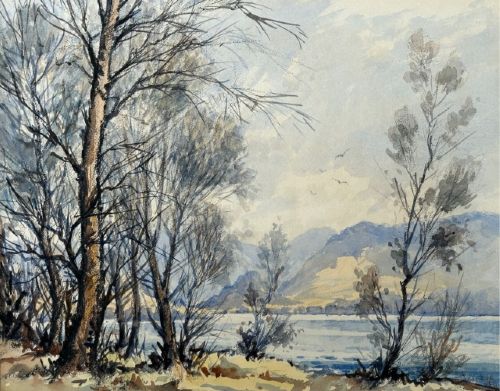
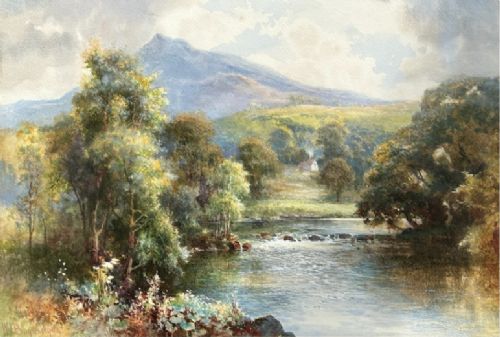
Original Watercolour Picture
An original watercolour picture brings authentic hand-painted colour and delicate wash technique directly to your wall.
What an original watercolour picture is
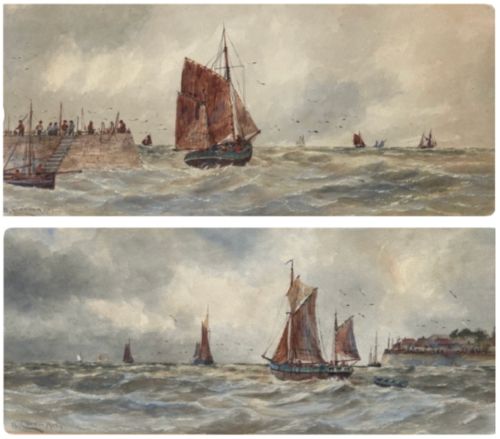
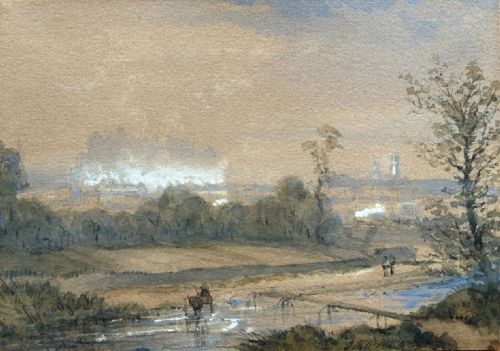
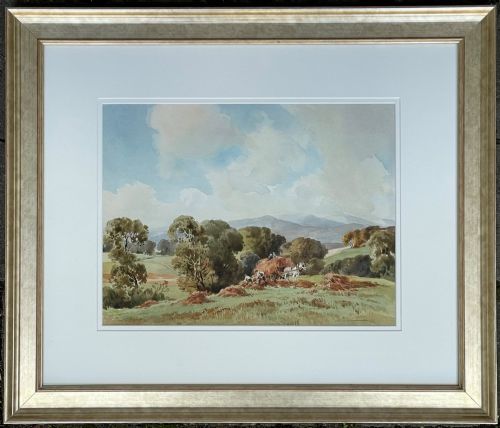
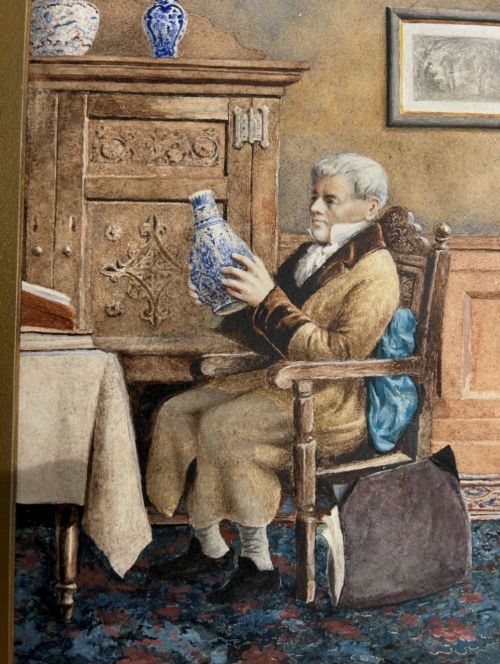
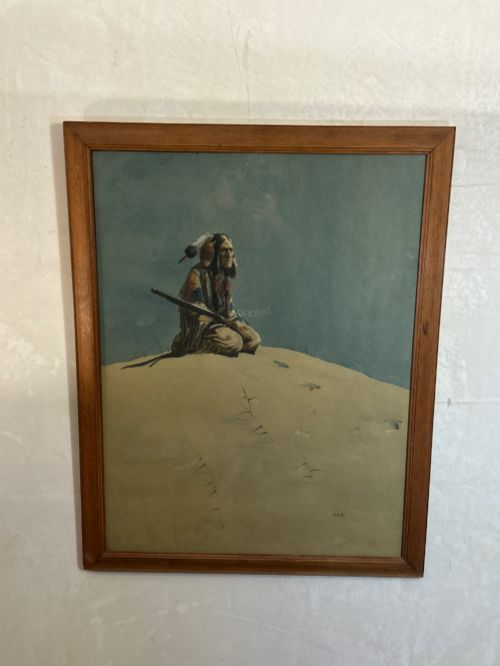
An original watercolour picture is a unique painted work executed directly by an artist using pigment suspended in water-based solutions, rather than a mechanical print or reproduction. When you search for an original watercolour picture, you encounter works spanning the late eighteenth century, the nineteenth century, the Victorian period, the Edwardian era, and mid-twentieth century British production.
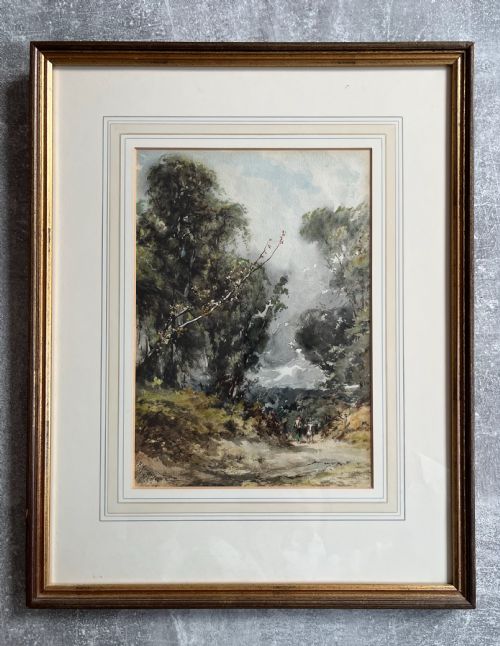
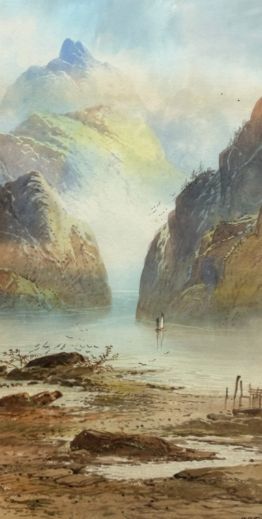
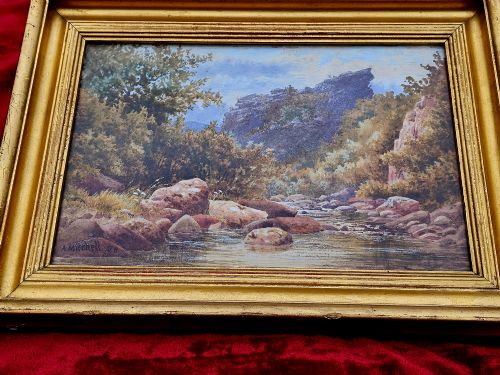
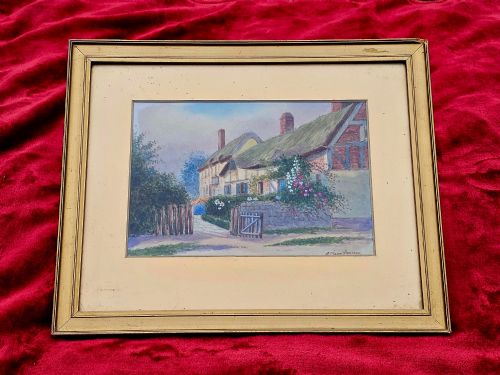
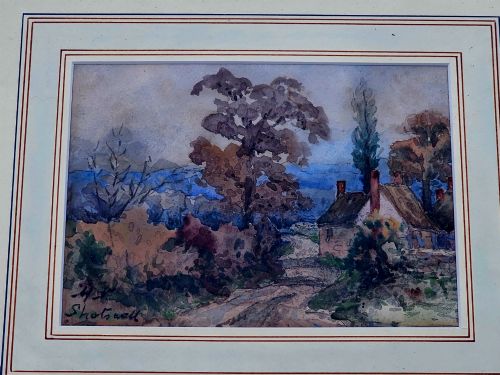
The subjects depicted across these works focus heavily on landscape and topographical views, ranging from Scottish lochs and English lake district scenes to Venetian canals and Welsh bridges. These paintings capture light and atmosphere through translucent washes applied to paper or card mounts, often preserved beneath protective glass and framed in wood.
The pieces available on this page reflect distinct historical movements, including nineteenth-century romanticism, Victorian landscape traditions, picturesque compositions, and twentieth-century British impressionism. Each individual painting offers a direct window into the hand of the artist, preserving brushwork and pigment choices that have survived for generations.
How they were made
Makers applied watercolour pigment mixed with water onto surfaces such as paper or card mounts, utilising the white of the unpainted paper to create luminous highlights. This technique required precise control, as mistakes in pigment placement could not easily be painted over.
Completed paintings were typically framed behind glass within wooden surrounds to protect the delicate water-soluble pigments from moisture, atmospheric dust, and handling damage over the decades.
Retail Price Guide 2026
Typical UK retail prices for original watercolour picture, calculated from the Sellingantiques database of over a million retail prices indexed since 2003. This retail price guide relies exclusively on Sellingantiques data; no external sources or auction records are used, so the figures do not describe the wider market.
Artists occasionally painted Venice so frequently that one might wonder if they owned permanent gondola parking.
What varies in quality
The distinction between works rests on the confidence of the brushwork, the subtlety of atmospheric perspective, and the compositional balance achieved by the artist. Stronger examples capture light and movement with fluid economy, whereas lesser works appear laboured or static.
Condition and preservation play a vital role, particularly the retention of original pigment vibrancy and the absence of heavy fading caused by prolonged exposure to sunlight.
Richard Henry Wright·Stanley Orchart·Hercules Brabazon Brabazon·James Drummond·Thomas Walmsley·George Nicholson·George Cuit·Joseph Murray Ince
The Original Watercolour Picture Glossary
- Watercolour pigment
- Finely ground colour particles mixed with a binder such as gum arabic to adhere to paper. This medium allows for translucent washes that build up depth through successive layers.
- Card mount
- A protective paperboard border placed around the watercolour inside the frame. It separates the painted surface from the glass and provides visual framing.
- Washes
- Thinned layers of watercolour pigment applied across the paper to create smooth fields of tone or colour. Skilful application achieves seamless gradients for skies and water.
Frequently Asked Questions
How do I care for a watercolour?
Keep watercolour paintings away from direct sunlight and high humidity to prevent the pigments from fading and the paper from degrading over time. Consistent indoor temperatures help preserve both the paper support and the wooden framing.
Ensure the protective glass remains sealed to block dust and atmospheric pollutants from reaching the delicate painted surface.
Are these works hand painted?
Every piece listed under this search is an original hand-painted work created directly by the artist rather than a lithographic or photographic reproduction. Close inspection reveals individual brushstrokes, pigment texture, and pencil underdrawing.
Artists used water-soluble pigments on paper or card, meaning no two compositions are identical.
How do I identify a Victorian watercolour?
Victorian watercolours often feature romantic landscape subjects, detailed topographical views, or picturesque rural scenes with bridges and mills. The paper stock and framing materials frequently match nineteenth-century manufacturing methods.
Signatures, dates, or attribution notes written on the reverse or mount provide additional historical context for dating the piece.
What is picturesque style?
The picturesque style refers to landscape compositions that favour natural asymmetry, rural architecture, and pastoral scenery over classical symmetry. Artists in this tradition constructed views to evoke a harmonious, pleasing relationship between nature and human structures.
Common motifs include ruined abbeys, Welsh bridges, mills, and rocky riverbanks.