



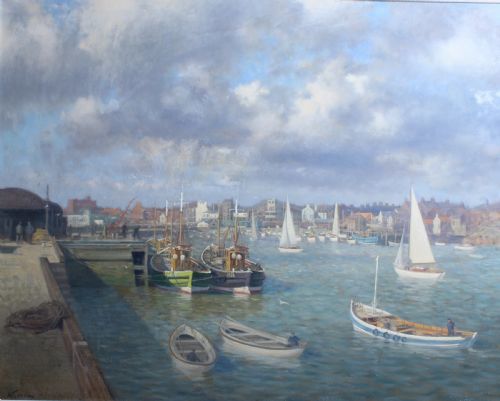
Original Harbour Painting
An original harbour painting captures the timeless bustle of coastal life, offering collectors a direct window into historic maritime scenes through masterly brushwork.
Original Harbour Painting
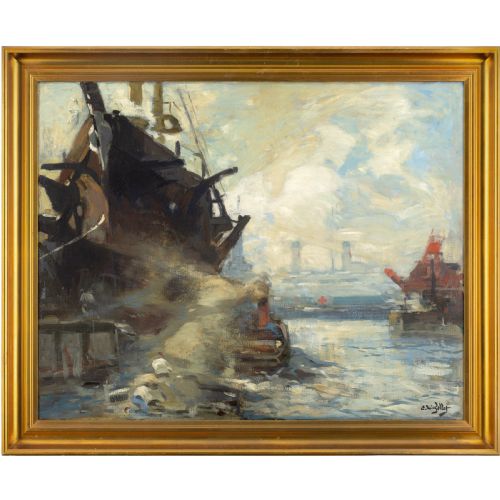
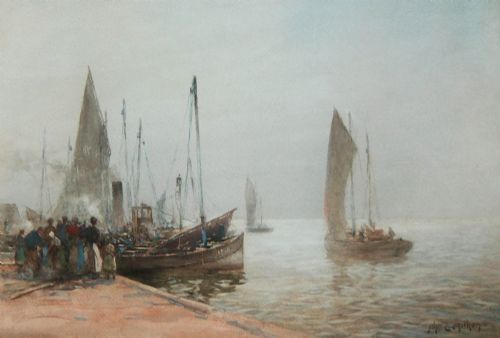
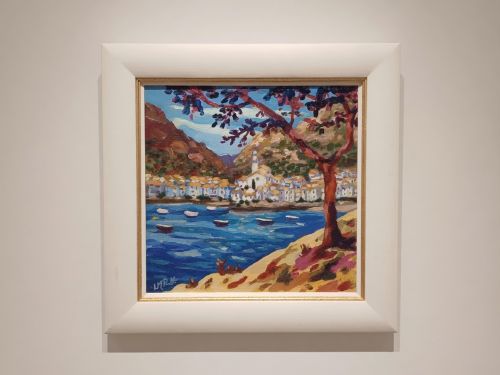
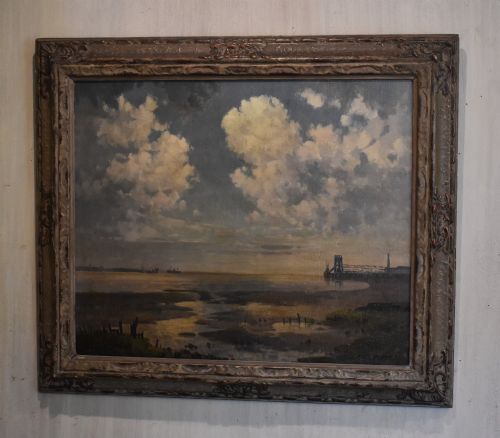
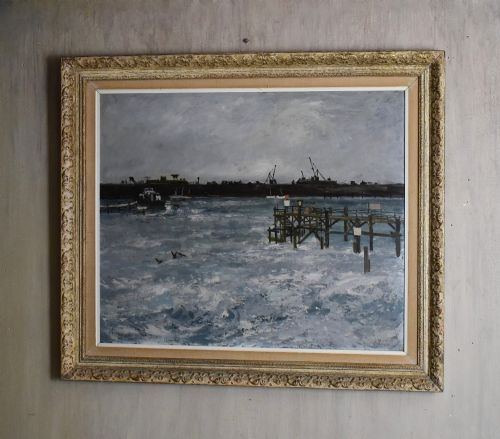
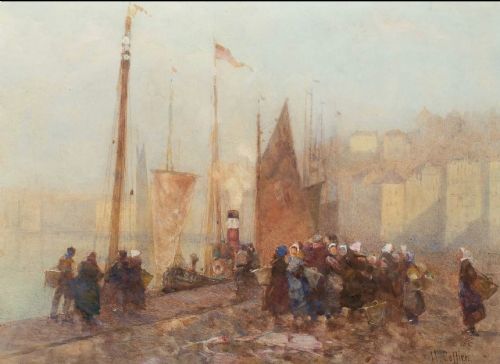
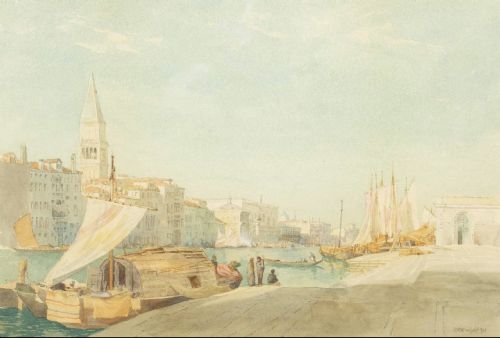
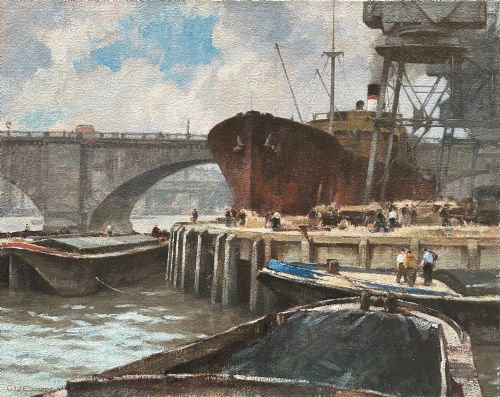
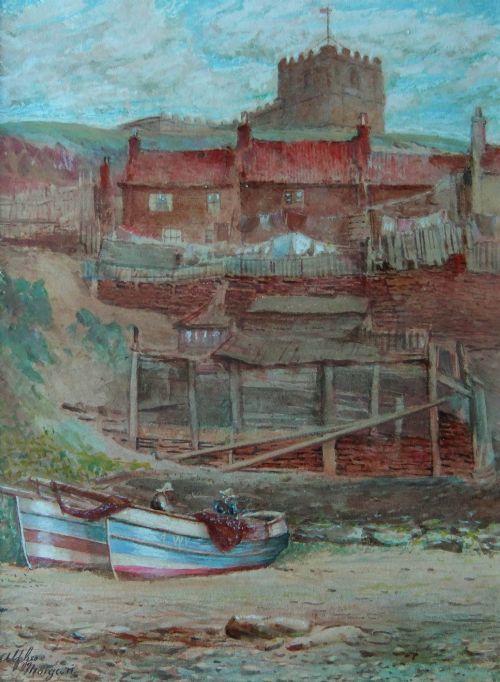
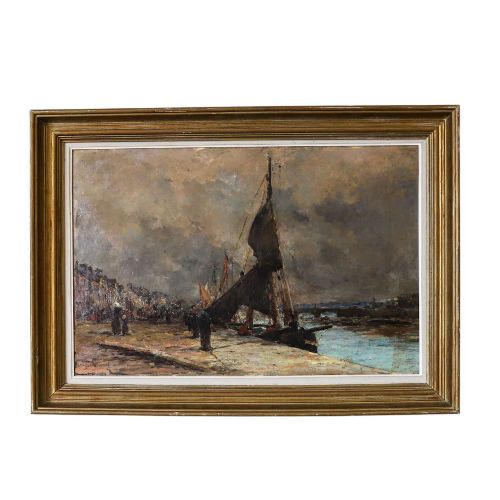
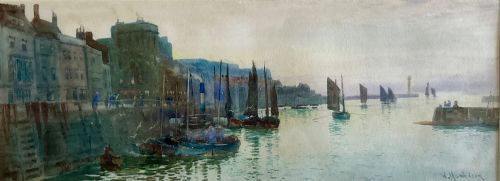
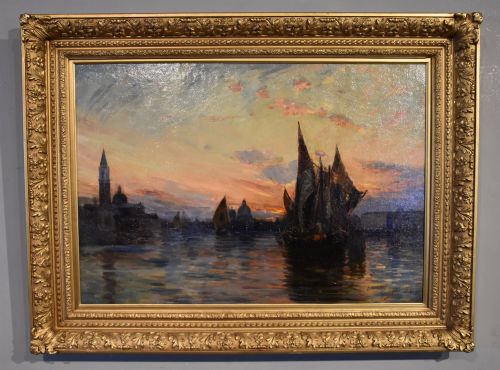
An original harbour painting depicts maritime scenes ranging from quiet tidal estuaries to bustling fishing ports, documenting the working life of coastal communities. These works capture the changing light on water, moored sailing vessels, and historic quaysides across Britain and continental Europe.
Collectors searching for an original harbour painting will encounter diverse regional schools, particularly West Country fishing villages like St Ives and Yorkshire ports like Whitby. The selection spans atmospheric nineteenth-century watercolours to mid-twentieth-century oils on board, reflecting evolving artistic interpretations of the sea.
The subjects extend beyond purely domestic havens to record international waterways, wartime naval movements, and continental canals. Whether executed as rapid plein-air sketches or finished studio canvases, each piece preserves a specific topography and maritime heritage.
How They Were Made
Artists relied primarily on watercolour pigment on paper for luminous, translucent effects well suited to fast-changing coastal weather, or applied oil paint to canvas, board, and wooden panels for richer textures. Watercolour washes captured atmospheric skies and shimmering harbour water efficiently, while oils allowed artists to build up impasto layers depicting churning seas and heavy wooden hulls.
Support materials varied according to the era and method, with nineteenth-century works frequently employing heavy watercolour paper or stretched canvas, and later twentieth-century painters often utilising prepared wooden boards. Framing played a crucial protective role, utilising gilt wood mouldings that complemented the maritime subjects and preserved the integrity of the paint surface.
The listings span from the 19th century through the 1960s, featuring watercolours, oils on canvas, and mixed media on paper.
What Varies in Quality
The strength of an original harbour painting rests upon the artist's command of atmospheric perspective, tonal balance, and the convincing movement of water. Superior works demonstrate confident, purposeful brushwork that captures the specific weight of vessels and the luminosity of coastal air, avoiding static or formulaic compositions.
Condition and preservation significantly influence a piece, particularly regarding the stability of the pigment and the absence of disfiguring foxing on paper supports or craquelure on heavy oil layers. Works retaining their original period frames and clear documentation of the depicted location offer greater historical integrity.
Kenneth Cozens·Eugène-Louis Gillot·James E. Aitken·John E. Aitken·William Banks Fortescue·Lucy Pratt·Clive Browne·Peter Brannan·Hector Caffieri·Richard Henry Wright·Cyril Walduck Edwards·Alfred G. Morgan·William Matthison·Thomas Hodgson Liddell·Frank Kelsey·Walter Goodin·F A Roylance·George F Pennington·Paul-Jean Anderbouhr·Eric Tufnell·Edward Matthew Elliott·Richard Harry Carter·Gyrth Russell·Jean-Baptiste Olive·James Fry
The Original Harbour Painting Glossary
- Watercolour pigment
- Finely ground colour particles suspended in a water-soluble binder, applied to paper to achieve translucent washes of light and colour. This medium allowed artists to work rapidly outdoors to capture fleeting coastal effects.
- Impasto
- Paint applied thickly to a canvas or board, standing visibly proud of the surface and retaining the marks of the brush or palette knife. Painters utilised this technique to render the tactile surfaces of foam, sails, and masonry.
- Plein-air
- The practice of painting outdoors directly from the subject to capture natural light and atmospheric conditions accurately. This method became central to nineteenth and twentieth-century marine artists working on quaysides.
- Provenance
- The documented history of ownership and exhibition of an artwork, establishing its authenticity and lineage. A clear provenance connects a painting directly to the artist's studio or reputable historical dealers.
Original Harbour Painting: Frequently Asked Questions
How should I hang an antique watercolour near natural light?
Watercolours are sensitive to prolonged exposure to direct sunlight, which can fade pigments over time. Position them away from unshaded windows and ensure framing includes acid-free mounts and UV-protective glazing.
Rotating pieces between brightly lit walls and darker areas helps preserve the intensity of the original washes for future generations.
What distinguishes an oil painting on board from canvas?
Paintings on wooden boards or panels generally offer a rigid, stable support that resists the sagging or puncturing sometimes affecting stretched textiles. This firmness often appealed to twentieth-century artists painting rapidly outdoors.
Canvas, by contrast, accommodates larger compositions and allows for subtle spring under the brush, though both mediums require stable indoor humidity.
How can I identify the specific coastal location in a painting?
Artists often inscribed titles, dates, or specific landmarks directly onto the reverse of the canvas, board, or margin of the paper. Architectural details such as church spires, lighthouse designs, and harbour walls provide key clues for local historians.
Comparing the depicted topography with historical charts and photographs of ports like Whitby or St Ives confirms the exact viewpoint.
Why do maritime scenes from the early twentieth century look different?
Artistic movements shifted toward looser brushwork and bolder palettes during this period, moving away from rigid Victorian academic realism. Painters prioritized capturing the subjective mood of a harbour over meticulous architectural recording.
This evolution reflects the influence of British Impressionism and the St Ives school on how artists interpreted coastal light and movement.