






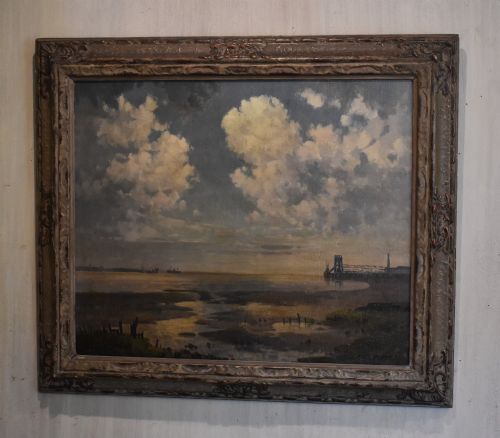
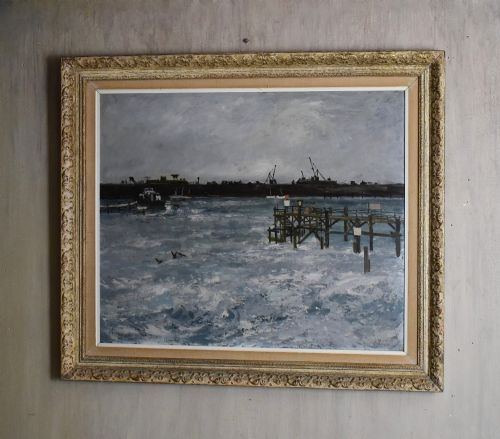
Original Coastal Landscape
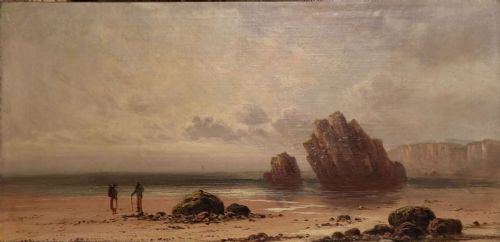
An original coastal landscape captures the light, weather, and working shores of Britain through the hands of painters working from the nineteenth century into the mid-twentieth century.
Original Coastal Landscape
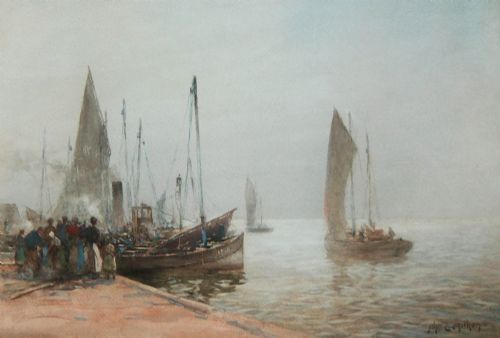
An original coastal landscape brings together maritime subjects, harbour scenes, and open shorelines captured across the nineteenth, twentieth, and mid-century periods. These works depict specific British coastal locations, from Cornish fishing villages to Yorkshire harbours and Scottish shores, recording local maritime life and coastal topography.
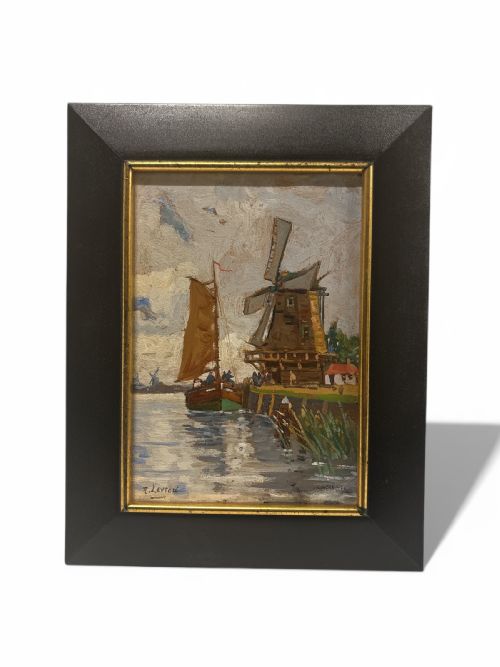
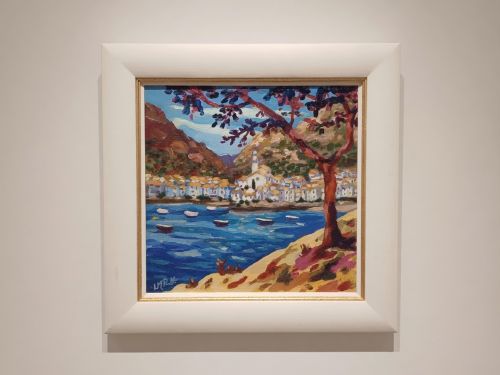
Buyers encounter both intimate watercolours on paper and substantial oil paintings executed on canvas, board, or wood panels. The selection spans Victorian and Edwardian academic approaches through to Post-Impressionist and Mid-Century Modern interpretations of the sea and shore.
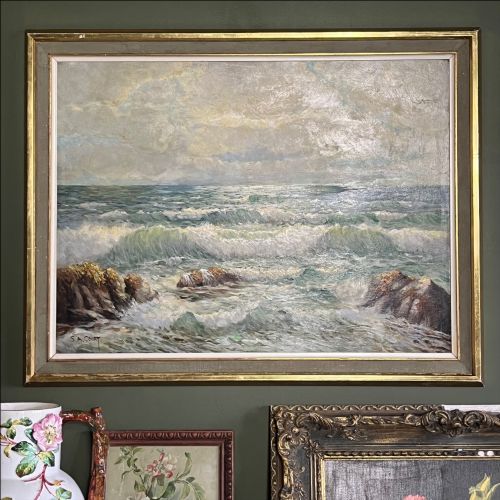
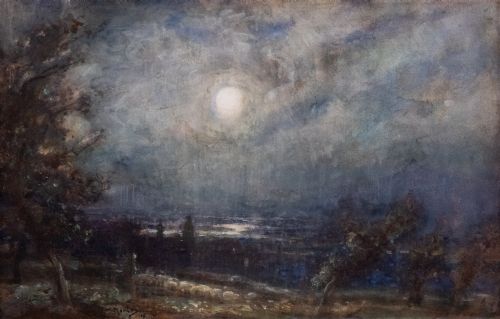
Subject matter ranges from busy fishing docks and moored sailing craft to quiet sandy beaches, rocky headlands, and moody dusk views. Many pieces bear signatures or attribution to regional British artists and established marine painters of their respective decades.
Materials and Techniques
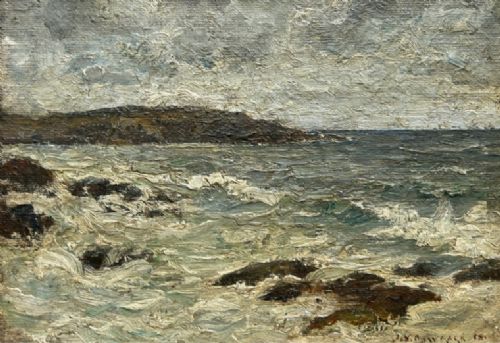
Painters utilised oil paint and watercolour as primary mediums, applying pigment directly to prepared canvas, sturdy wood panels, fibrous boards, or heavy paper sheets. Artists working in oil often built up rich textures through impasto application, while watercolourists relied on transparent washes and fine paper supports.
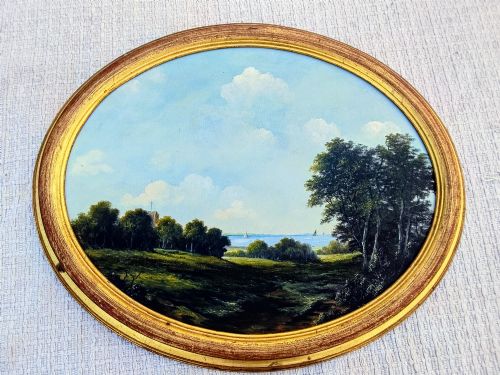
Many works were painted en plein air directly on location along the coastline, allowing artists to capture shifting atmospheric conditions, tidal movements, and changing light firsthand. Framed presentations frequently incorporate traditional gilt wooden mouldings that complement the period aesthetic of the artwork.
Listings feature works created across eight distinct decades, spanning from the nineteenth century into the later twentieth century.
Factors of Quality
The distinction between standard works and exceptional examples rests in the confidence of the brushwork and the artist's ability to render light and atmosphere convincingly. Superior pieces demonstrate a sure command of composition, capturing the movement of water and the specific quality of coastal air rather than relying on formulaic topographical recording.
The harmony between the medium, the support, and the period frame influences the overall integrity of the piece. Works that retain their original pigments, stable surfaces, and period framing exhibit a stronger historical connection to the coastal scene they portray.
James Orrock·Thomas William Morley·Donald McIntyre·Joseph Farquharson·Alfred George Morgan
The Original Coastal Landscape Glossary
- En plein air
- Painting outdoors in natural light to capture immediate atmospheric effects. This direct method was widely adopted by nineteenth and twentieth-century landscape painters working along the coast.
- Impasto
- Paint applied thickly to a canvas or board so that it stands out from the surface. This technique allows brush marks and palette knife strokes to retain their physical texture.
- Provenance
- The documented history and ownership lineage of an artwork. A clear record helps establish authenticity and dates of creation.
- Wash
- A thin, transparent layer of diluted watercolour paint applied across paper. Painters use this technique to build up skies, water, and distant shorelines with soft gradations of tone.
- Gilt frame
- A wooden picture frame coated with gold leaf or metallic paint. These decorative surrounds were commonly fitted to nineteenth and early twentieth-century oil paintings.
Original Coastal Landscape: Frequently Asked Questions
What periods do these coastal paintings date from?
The available selection spans from the nineteenth century through the Edwardian era and into the mid-twentieth century, including works from the nineteen-fifties and sixties.
Earlier pieces often reflect traditional Victorian marine art, while mid-century examples show shifts toward British Impressionism and Modern British styles.
Where were most of these scenes painted?
Subjects focus primarily on British coastal regions, featuring specific locations in Cornwall, Yorkshire, Scotland, and East Anglia. Popular spots include St Ives, Whitby, Scarborough, and various West Country harbours.
Artists frequently travelled to active fishing ports and seaside villages to paint local craft, docks, and coastal cliffs directly from life.
How do I care for an antique oil painting?
Keep oil paintings away from direct sunlight, excessive heat sources, and damp environments to protect the canvas, board, and wooden frame.
Dust the surface gently with a soft, dry brush and avoid using water or chemical cleaners on the paint or gilt moulding.
How are watercolours preserved differently from oils?
Watercolour paintings on paper require protection behind glass to prevent atmospheric damage, fading, and moisture absorption.
Displaying them away from direct sunlight ensures the delicate pigments and paper supports remain stable over time.