


20th Century Seascape
A 20th century seascape brings the shifting light and atmosphere of coastal life directly into your interior.
20th Century Seascape
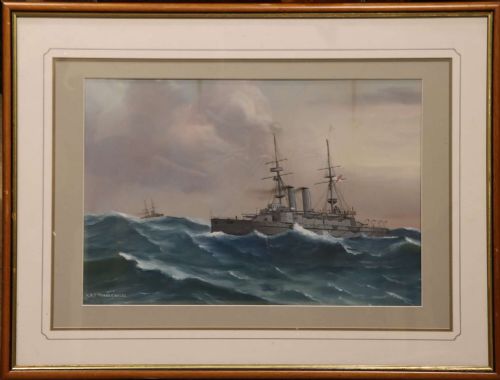
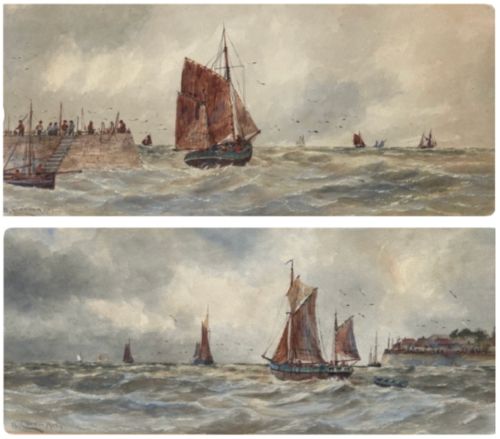
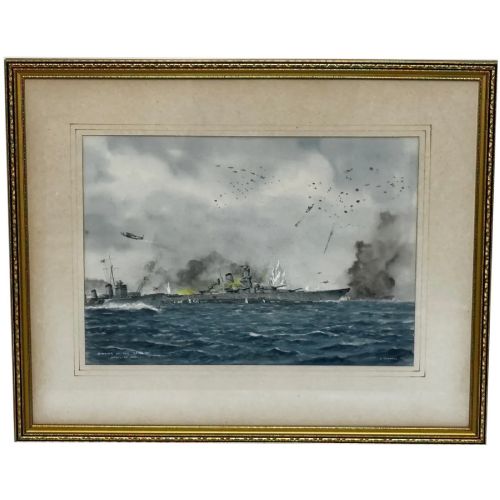
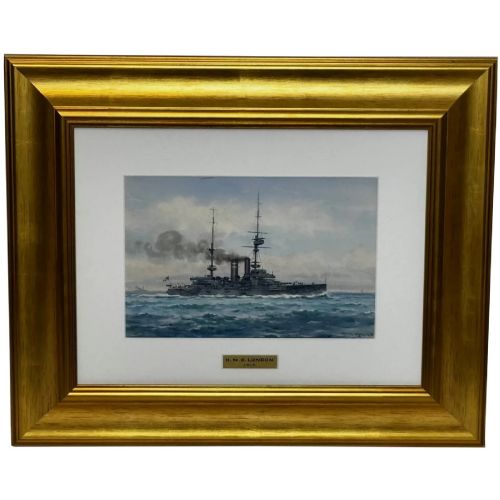
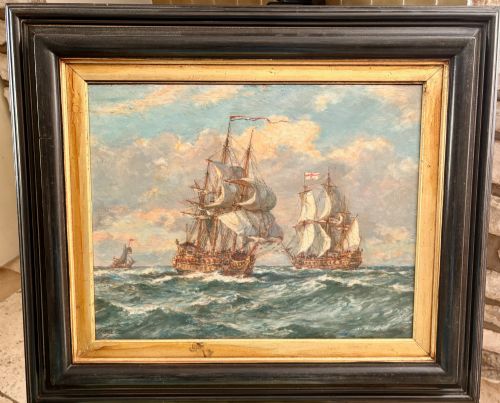
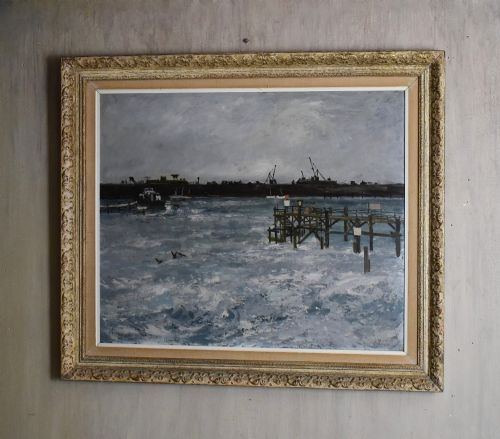
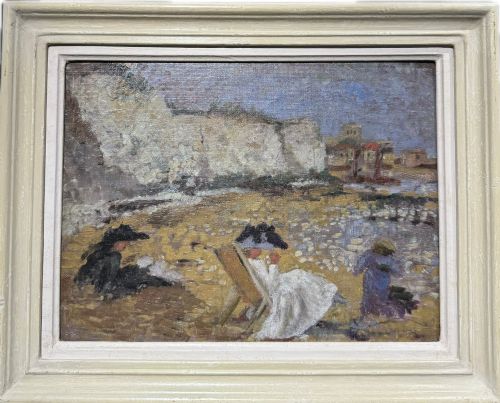
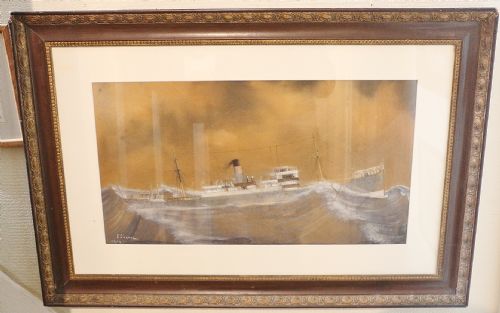
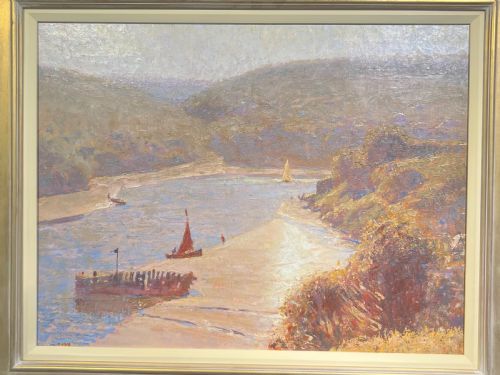
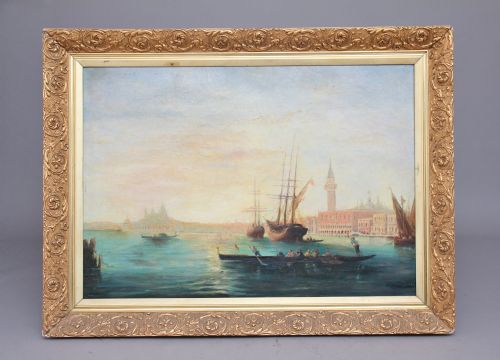
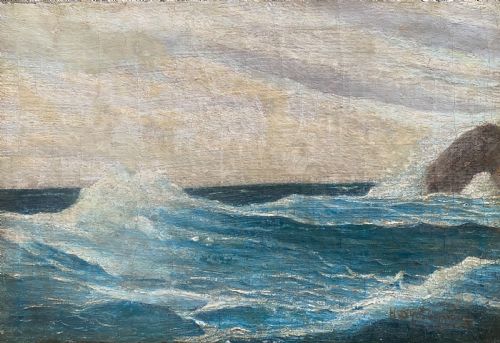
A 20th century seascape captures maritime scenes, coastal harbours, and open waters across a diverse period of artistic exploration. Collectors encounter everything from detailed depictions of naval vessels to impressionistic views of fishing boats resting on sandy shores.
The selection ranges from Edwardian watercolours to mid-century oil paintings on board or canvas. These works reflect both British coastal traditions and wider continental European perspectives on the sea.
Most pieces document actual working harbours, shipping lanes, and coastal towns from Cornwall to the Yorkshire coast. They offer a direct window into the maritime commerce and leisure of the era.
How They Were Made
Artists relied primarily on oil paint and watercolour, applying pigments to stretched canvas, prepared wood panels, artist boards, or heavy paper. Gouache also appears frequently for works requiring sharp maritime detail and opaque highlights.
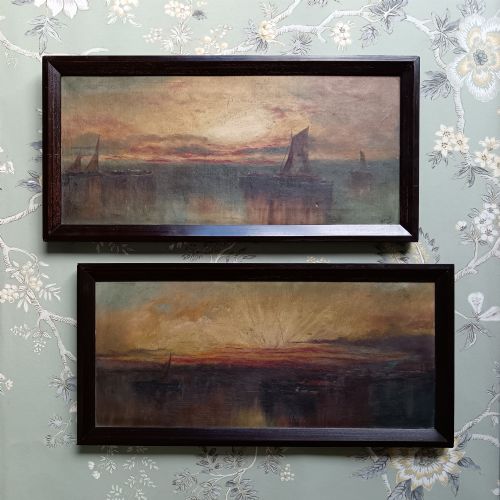
Supports varied according to the painter's preference for location work or studio finishing, with smaller wood and board panels suiting outdoor sketching. Framing typically involved period wooden mouldings, occasionally ebonised, to complement the maritime subject matter.
Materials documented across the works include oil paint, watercolour, gouache, canvas, wood panels, and heavy paper supports.
What Varies in Quality
Quality rests upon the artist's command of light, atmosphere, and the movement of water. Superior examples convey the weight of a choppy sea or the specific quality of dawn and dusk light without relying on rigid formulas.
The strength of the composition and the confidence of the brushwork distinguish accomplished professional output from simpler amateur sketches. Provenance, legible signatures, and well-documented artist exhibitions further elevate individual pieces within the range.
Kenneth Cozens·William Cannon·Eugène-Louis Gillot·Charles Edward Dixon·Eric Tufnell·Frank Watson Wood·Bernard Gribble·F. Corpuz·Clive Browne·Peter Brannan·Ethel Sands·Cecil Allan Mould·Paul Delvaux·Gustave Vidal·Gyrth Russell·George Turland Goosey·Norman Lloyd·Fernando Del Basso·Edward Seago·Sir William Russell Flint·Owen Bowen·Ernest F. Hill·Don Wilson·Jeffrey Pratt·George F Pennington
The 20th Century Seascape Glossary
- Gouache
- An opaque water-based medium that dries to a matte finish. Artists utilise it for crisp details on maritime rigging and crashing waves.
- Impressionism
- A style focused on capturing light and atmospheric effects rather than minute botanical or architectural accuracy. Painters often used rapid brushstrokes to render moving water.
- Panel
- A rigid support for painting, typically made of wood or artist board. These surfaces were favoured by artists working outdoors along the shoreline.
- Provenance
- The documented history of ownership of an artwork. Clear provenance helps verify the attribution and exhibition record of a maritime painting.
- Wash
- A thin, fluid layer of watercolour or diluted oil paint applied across paper or canvas. It forms the translucent basis for skies and open stretches of sea.
20th Century Seascape: Frequently Asked Questions
How do I identify the date of a seascape?
Examine the signature, framing materials, and any artist exhibition labels attached to the reverse of the canvas or board. Stylistic clues, such as the clothing of figures on a beach or the types of vessels depicted, also help narrow down the decade.
Comparative research into the artist's recorded active years provides a reliable timeframe. Many pieces carry dated signatures or contemporaneous inscriptions identifying specific coastal locations.
Were these paintings made outdoors?
Many smaller works on wood panel or paper were painted directly on location as plein air studies. Artists travelled to bustling fishing ports and quiet coves to record changing weather and tidal conditions firsthand.
Larger canvases were typically completed in the studio using these field sketches and watercolours as reference material. This method allowed painters to capture transient light effects alongside structured compositional balance.
How should I frame and display a maritime painting?
Choose a frame that complements the period of the artwork, such as a simple period wood moulding or an ebonised profile. Ensure the painting is hung away from direct sunlight and excessive moisture to protect the canvas, paper, and pigments.
Watercolours require conservation mounting behind glass to prevent atmospheric damage. Oil paintings on canvas benefit from stable indoor humidity and occasional light dusting with a soft brush.
What subjects besides boats appear in these works?
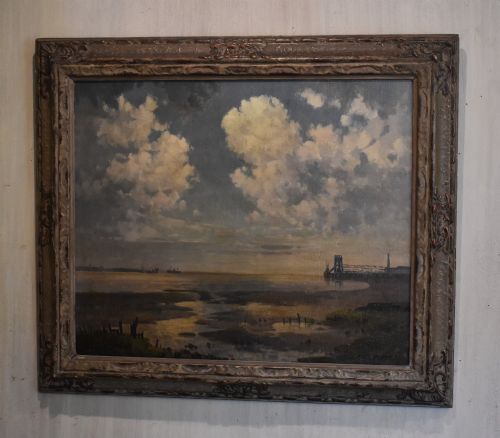
Coastal landscapes frequently feature lighthouses, pier structures, rocky outcrops, and tidal mudflats. Figures walking along the shoreline or children playing on the beach also appear regularly.
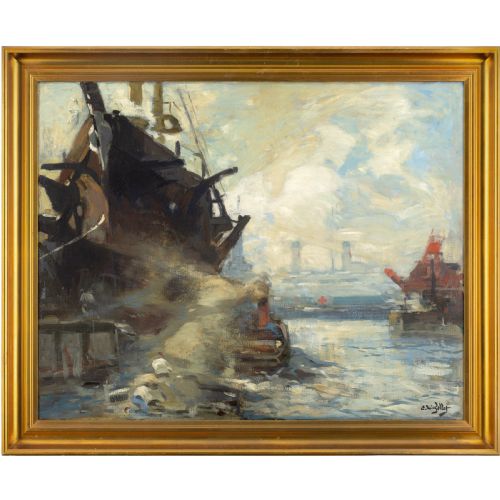
Industrial elements such as steamships, wartime naval vessels, and bustling harbour quays reflect the commercial life of 20th-century ports. These diverse subjects show the sea's role as both a workplace and a place of leisure.