


Maritime History Painting
Maritime history painting records naval engagements and merchant vessels on canvas and paper.
Maritime History Painting
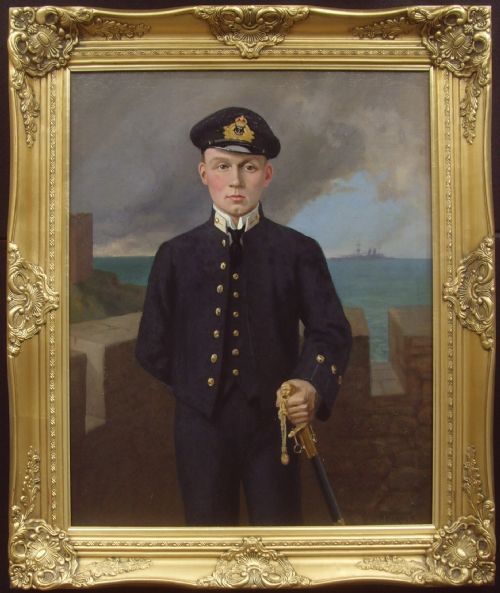
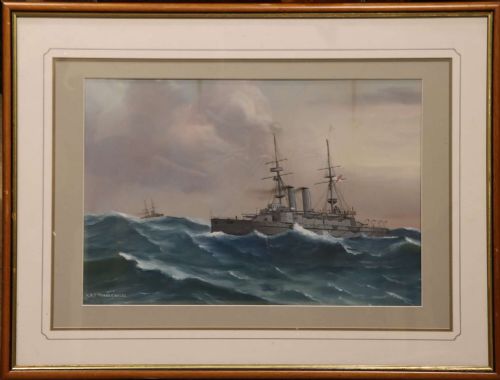
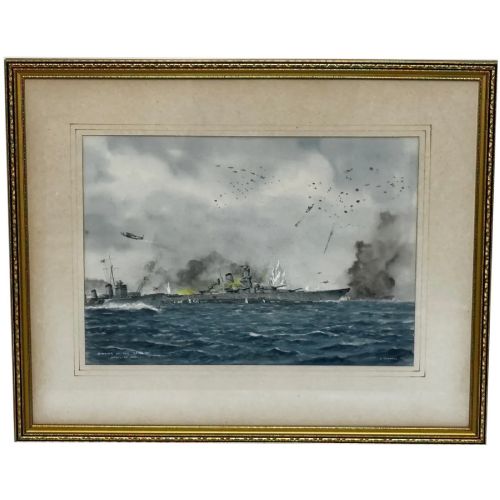
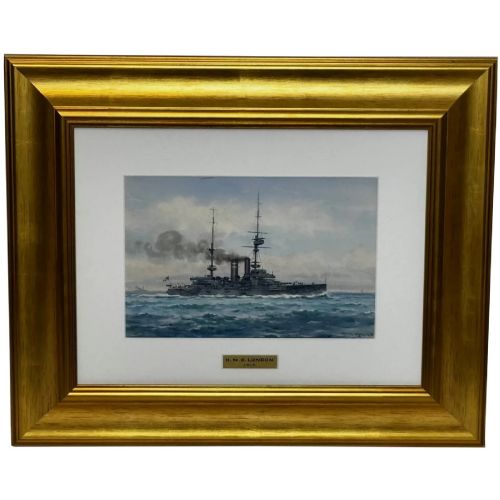
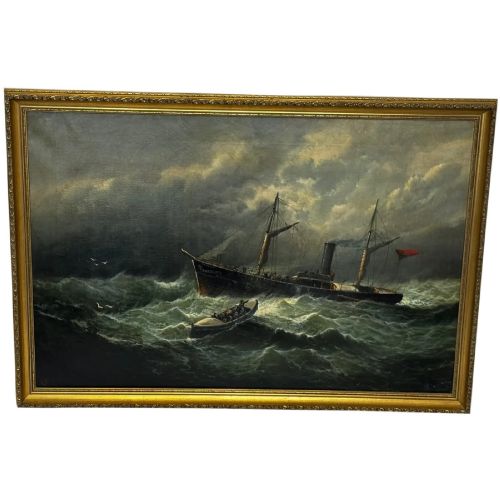
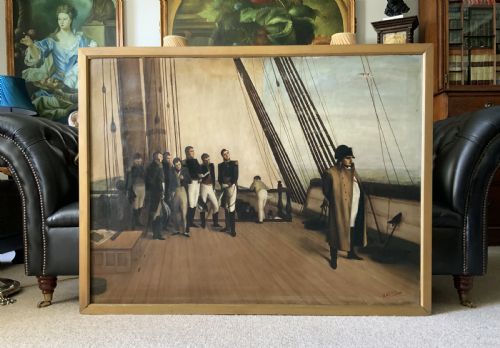
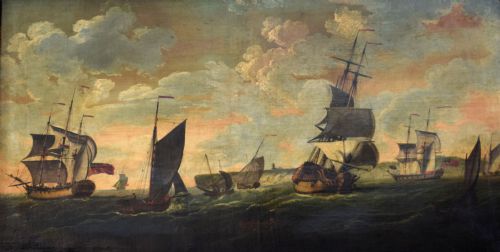
When you search for maritime history painting, you are looking at works that record naval engagements, specific vessels, and coastal scenes across canvas and paper. These pieces capture documented moments in maritime history, often depicting named ships such as the HMS Prince of Wales or the RMS Lusitania.
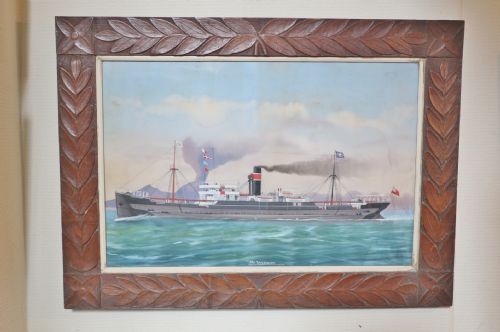
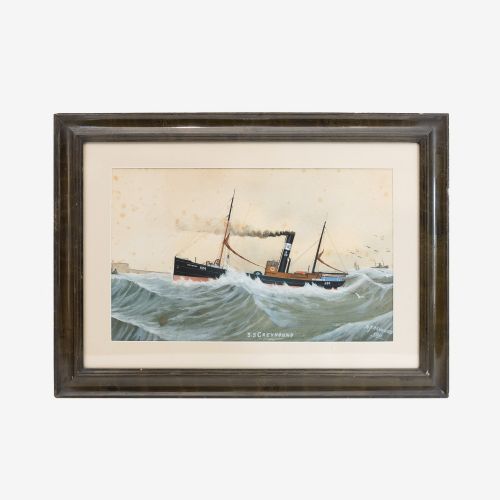
The versions you are most likely to meet on this page span from the eighteenth century through to the mid-twentieth century. Works range from detailed nineteenth century oils showing frigates off the English coast to Edwardian watercolours and gouache portraits of steamships.
Object types include framed oil paintings, watercolours, wall art, and scratch built ship models. Each piece offers a visual record of naval architecture and historic sea battles.
Materials and technique
Artists record these nautical subjects using oil paint, watercolour, and gouache applied to canvas, paper, and wood panels. Many works incorporate detailed brushwork to delineate rigging, naval flags, and the turbulent surface of the sea.
Gilt frames often accompany the canvas and paper works, providing period presentation for these historical scenes. Model examples utilise wood and assorted construction materials to replicate historic hulls and masts in three dimensions.
A scratch built model sits alongside the flat canvas works, proving someone spent months gluing tiny wooden bits together.
Variations in quality
The distinction between works rests on the accuracy of the naval architecture and the handling of light on water and sails. Skilled artists render the specific rigging and tactical positioning of vessels with precise technical knowledge.
Provenance and documented attribution to named painters elevate certain works above anonymous school pieces. The clarity of the historical subject matter and the preservation of the original medium determine the standing of each piece.
Eric Tufnell·Frank Watson Wood·William Broome·Alexander Harwood·Daniel Sherrin·John Simmons·Francis Holman
The Maritime History Painting Glossary
- Gouache
- An opaque water-based medium used to create dense, matte areas of colour in maritime works. It frequently appears alongside watercolour on paper supports.
- Frigate
- A historic warship type with a single continuous gun deck, frequently depicted in eighteenth and nineteenth century naval compositions. These vessels formed the backbone of fleet reconnaissance.
- Provenance
- The documented history of ownership attached to a painting or artefact. Clear attribution to a named artist strengthens this record.
- Canvas
- A heavy woven fabric stretched over a wooden frame to serve as a support for oil paint. It remains the primary substrate for large scale marine oils.
Maritime History Painting: Frequently Asked Questions
What is maritime history painting?
These works are visual records of naval battles, merchant vessels, and historic ships rendered in oil, watercolour, and gouache. They capture documented moments in maritime operations from the eighteenth to the twentieth century.
Subjects range from portraits of specific steamships to large scale depictions of sea battles involving named commanders and vessels.
How were these paintings used?
Historic maritime works were commissioned by naval officers, shipping companies, and private collectors to commemorate specific vessels or engagements. They served as both records of maritime achievement and decorative pieces for domestic and institutional interiors.
Many captured the likenesses of famous ships shortly before significant historical events or operational milestones.
How do I live with oil paintings?
Oil paintings on canvas require stable indoor environments away from direct sunlight and sudden temperature fluctuations. Proper framing protects the canvas support and the underlying paint layers from physical damage.
Displaying these works on sturdy interior walls allows the detail of the rigging and sea states to be viewed clearly under balanced lighting.
How can I tell periods apart?
Period distinctions are visible in the subject matter, such as the transition from wooden sailing frigates in the eighteenth century to Edwardian steamships and twentieth century naval vessels. The choice of medium and framing style also helps indicate the era of production.
Signatures, attributions, and stylistic conventions associated with particular decades provide further chronological markers.