









Oriental Wall Plate
An oriental wall plate brings centuries of hand-painted ceramics and metalwork into a room, offering rich colour and intricate pattern for display.
Oriental Wall Plate
When searching for an oriental wall plate, buyers encounter a diverse selection of decorative dishes, chargers, and plaques originating from Japan and China across the eighteenth, nineteenth, and early twentieth centuries.
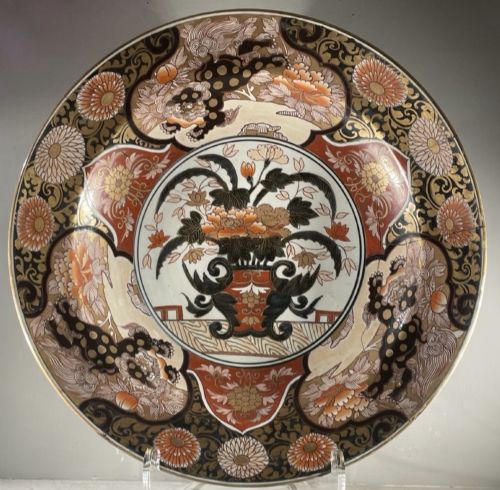
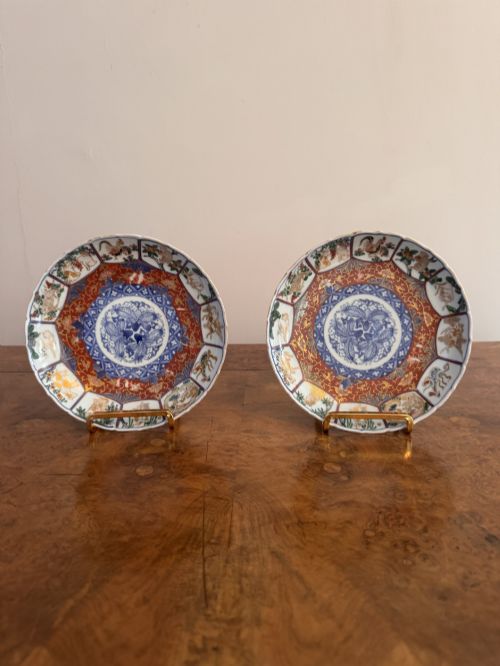
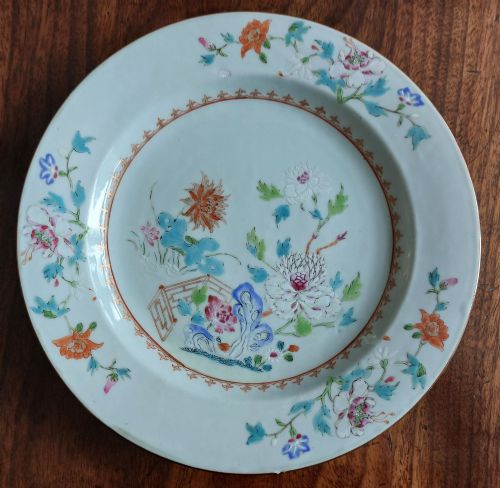
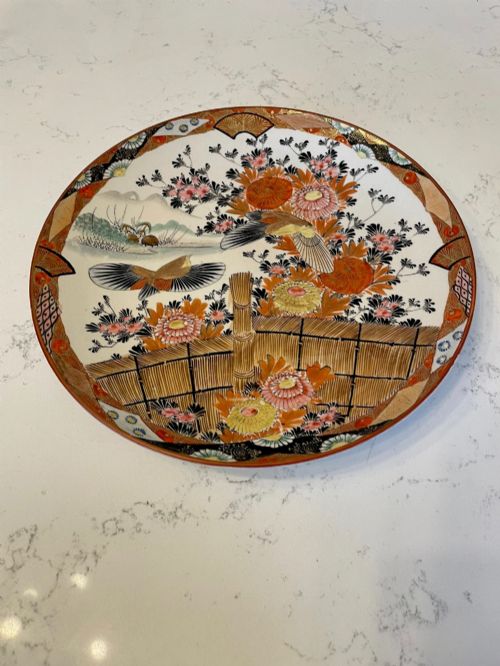
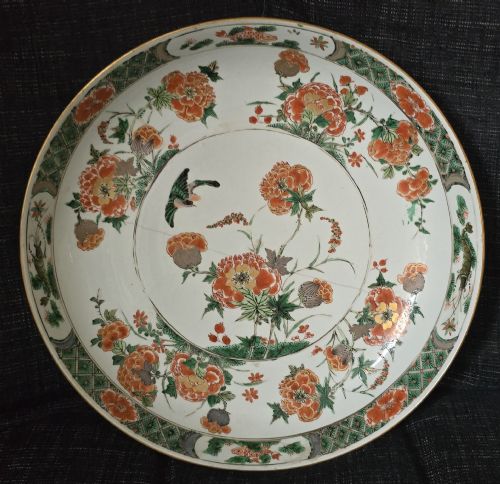
The most common examples on this page are Japanese Imari chargers and plates from the Meiji period, alongside Chinese blue and white porcelain and famille rose dishes.
These pieces range from modest shallow bowls to large wall chargers, shaped with scalloped edges or flat surfaces designed to hang on a wall or rest on a surface.
How they were made
Potters shaped porcelain and ceramic bodies before applying hand-painted glaze, enamel, and occasionally gold leaf or gilt details to create complex pictorial surfaces.
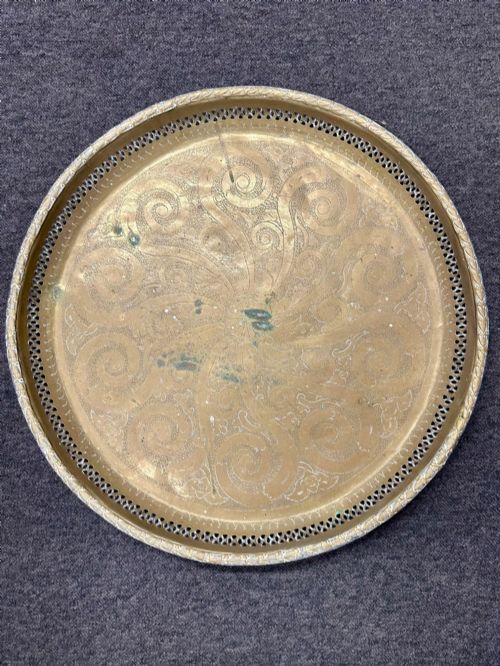
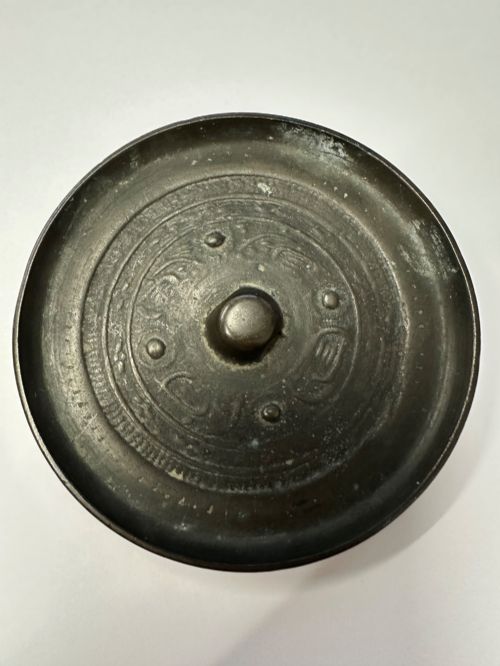
Metal pieces utilised bronze, brass, copper, and patinated iron, decorated through engraving, piercing, or silver inlay techniques.
Kiln firing fixed the pigments and glazes, while specialised workshops applied layered enamels such as moriage to build raised textures.
Oriental Wall Plate Retail Price Guide 2026
Typical asking prices for oriental wall plate among the pieces listed under this phrase on Sellingantiques today, from the lower quarter to the upper quarter. They describe what is for sale here now, not the wider market.
What varies in quality
The precision and detail of the hand-painted brushwork separate standard production pieces from masterworks, particularly in the rendering of motifs like birds, flowers, and figures.
The clarity and saturation of the enamel colours and the skilful application of gold leaf or gilt accents determine the visual depth of the surface.
The crispness of moulded forms, such as scalloped edges or pierced galleries on metal trays, indicates the care taken during initial fabrication.
Shozo·Koshida
The Oriental Wall Plate Glossary
- Imari
- A style of Japanese export porcelain featuring deep blue and iron red, often highlighted with gold. It originated in the town of Arita and became popular in Europe.
- Satsuma
- A type of earthenware from Japan with a pale, crackled ivory glaze and detailed polychrome enamel and gilt decoration. Pieces often depict figurative scenes or nature.
- Famille rose
- A major palette of Chinese ceramic glazes introduced in the eighteenth century, dominated by opaque pink or rose enamel. The style allowed for subtle tonal gradations in floral and human subjects.
- Cloisonne
- An ancient metalworking technique where thin metal wires are soldered to a base to form compartments, which are then filled with enamel paste and fired. This creates vibrant, segmented patterns.
- Charger
- A large decorative plate or dish traditionally used for presentation or hung on a wall rather than for dining purposes.
- Moriage
- A Japanese ceramic technique where slip or enamel is applied in raised dots or lines to create a three-dimensional, textured surface decoration.
Oriental Wall Plate: Frequently Asked Questions
How do I hang an oriental wall plate safely?
Most large chargers and plates require a specialised spring-loaded brass wire hanger that grips the rim securely without damaging the ceramic body.
Ensure the wall fixing is anchored firmly into a stud or uses a proper masonry plug to support the weight of heavier porcelain or metal pieces.
What is the difference between Imari and Satsuma?
Imari pieces are hard-paste porcelain decorated in underglaze blue and iron-red enamel with added gold, originating mainly from Arita.
Satsuma items are typically earthenware with a distinct cream-coloured crackle glaze, painted delicately with polychrome enamels and extensive gilding.
Can I use these plates for serving food?
Antique decorative plates and chargers from the eighteenth to early twentieth centuries are intended for display rather than culinary use.
Historic glazes, enamel pigments, and age-related wear mean these items are best preserved away from food preparation and dishwashers.
How do I clean an antique wall plate?
Dust the surface gently with a soft, dry microfibre cloth to remove everyday particles without disturbing delicate enamel or gilt details.
Avoid liquid cleaners, chemical sprays, or immersion in water, as moisture can seep into unglazed foot rims or historic cracks.