



Oriental Porcelain Censer
An oriental porcelain censer brings centuries of ceramic artistry and ritual purpose straight into a room, offering both sculptural presence and historical depth.
Oriental Porcelain Censer
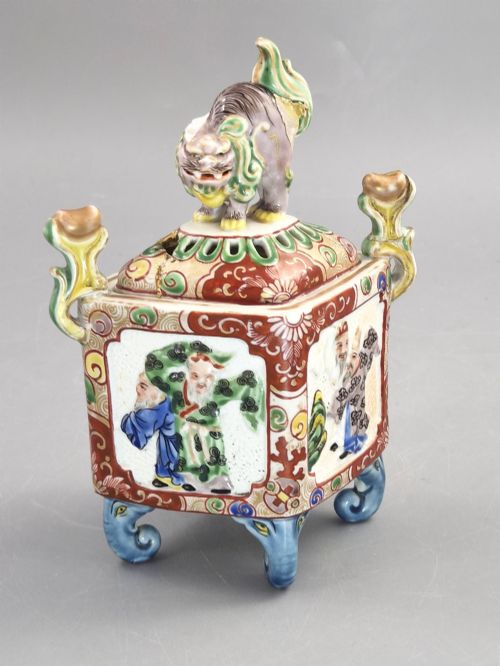
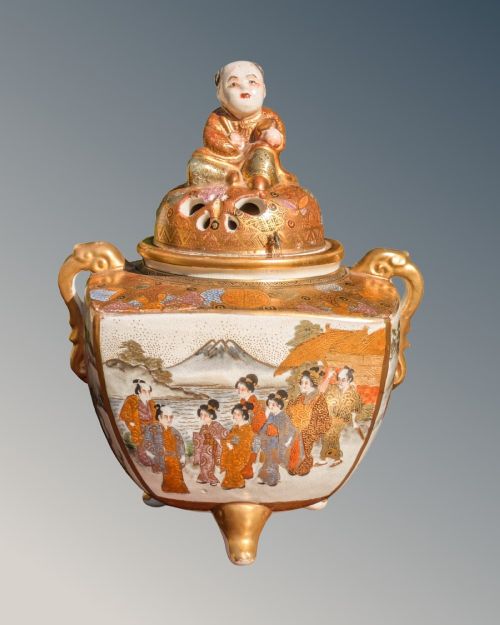
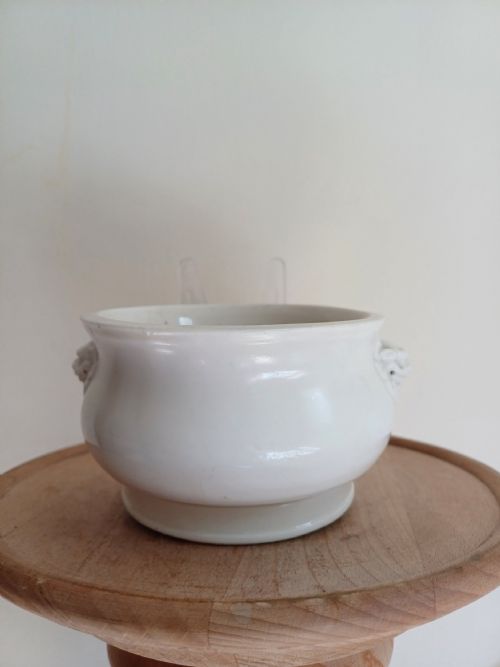
An oriental porcelain censer is a vessel designed to burn aromatic materials, taking forms such as lidded koro, tripod bowls, and figurative holders. These pieces originate from Japanese and Chinese traditions spanning from the seventeenth century through the Edwardian era.
The version most commonly met on this page is the Japanese Meiji period koro, often featuring detailed animal motifs and covers designed for domestic display. Alongside these, buyers encounter earlier Chinese pieces representing the Qing and Ming dynasties.
Forms vary from traditional tripod vessels to elaborate sculptural shapes like treasure ships and laughing boys. Each piece reflects the specific aesthetic priorities of its period and region of origin.
Materials and Techniques
Makers shaped these vessels from fine porcelain, earthenware, and ceramic bodies, often applying cobalt underglaze pigments before firing. This foundation allowed for intricate painted decoration beneath a smooth glaze.
Many examples incorporate elaborate surface ornamentation including enamel colours, gilding, and gold leaf highlights. Sculptural elements such as dragon figures, lion finials, and elephant head feet were hand-modelled and applied before the final process.
Listings span multiple centuries, incorporating porcelain, earthenware, cobalt underglaze, and gilding across Japanese Meiji and Chinese Qing styles.
Assessing Quality and Execution
Painted decoration also dictates the standing of a piece, with finely detailed enamel work and deliberate use of gilding separating superior examples from simpler utilitarian vessels.
The Oriental Porcelain Censer Glossary
- Koro
- A traditional Japanese incense burner, typically fitted with a cover and supported on feet. These vessels form a significant portion of the available examples.
- Imari
- A style of Japanese porcelain decorated in underglaze blue and contrasting overglaze enamels such as red and gold. This palette appears frequently across various centuries.
- Reticulated
- Describes ceramic work featuring an openwork pattern or pierced design. This technique requires considerable skill during the drying and firing stages.
- Famille Rose
- A palette of opaque enamel colours dominated by pink, used extensively on Chinese ceramics. The style developed during the Qing dynasty.
- Shi-Shi
- A mythical guardian lion frequently depicted as a sculptural finial on censer covers. These figures symbolise protection and authority.
Oriental Porcelain Censer: Frequently Asked Questions
How were these censers used?
These vessels were primarily utilised for burning aromatic incense during domestic rituals, contemplative practices, or social gatherings. The perforated covers allowed scented smoke to drift gently into the surrounding space.
Over time, many of these pieces transitioned from functional ritual items into decorative cabinet objects valued for their sculptural qualities.
Where were these pieces made?
The pieces originate primarily from ceramic workshops across Japan and China, reflecting distinct regional traditions. Japanese examples often hail from recognised centres like Kutani, Satsuma, and Arita.
Chinese pieces span various imperial and provincial kilns, utilising local clays and traditional glazing techniques characteristic of their respective dynasties.
How do I care for a porcelain censer?
Maintenance requires gentle dusting with a soft, dry cloth to protect delicate surfaces and gilt highlights. Avoid using chemical cleaners or liquid moisture, which can damage aged enamels and unglazed areas.
Display the vessel away from direct sunlight and areas prone to accidental knocks, ensuring its stability on a level surface.
Can I still burn incense in them?
While these vessels were originally designed for burning incense, many collectors choose to preserve them as static decorative art objects due to their age. Using modern incense inside antique pieces can introduce soot or oils that prove difficult to clean from porous interiors.
If burning materials, use appropriate heat-resistant liners and ensure proper ventilation to protect the historic ceramic body.