


Oriental Porcelain Bottle
An oriental porcelain bottle brings centuries of skilled ceramic tradition into a room, spanning delicate snuff vessels and grand cobalt-decorated vases.
Oriental Porcelain Bottle
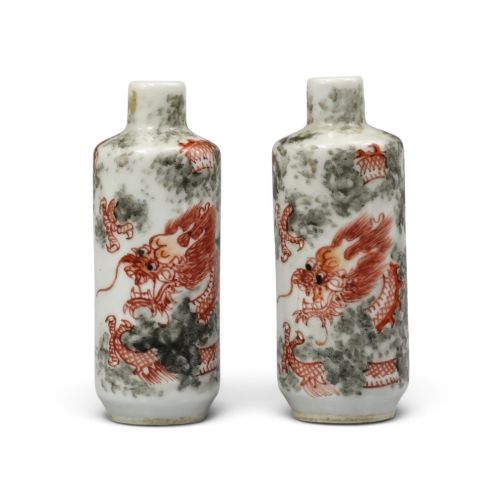
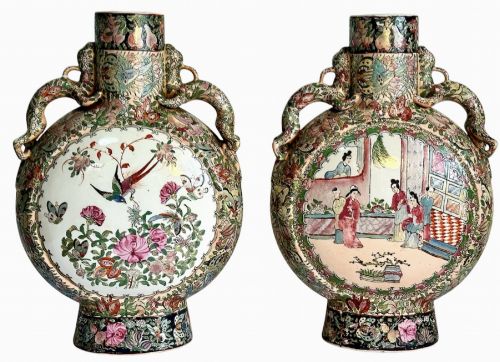
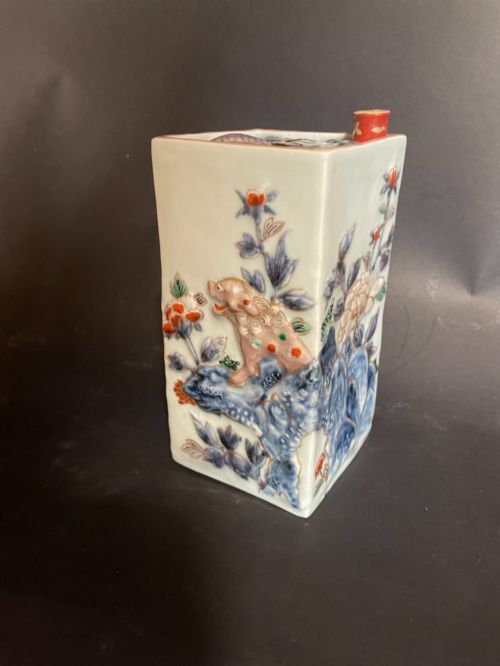
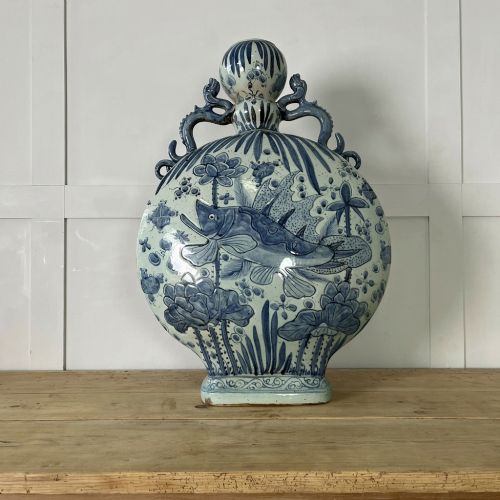
When you search for an oriental porcelain bottle, you encounter a diverse array of forms ranging from miniature snuff containers to large moon flasks and sake flasks. These pieces originate primarily from Chinese and Japanese kilns across multiple centuries, including the Qing Dynasty and the Meiji period.
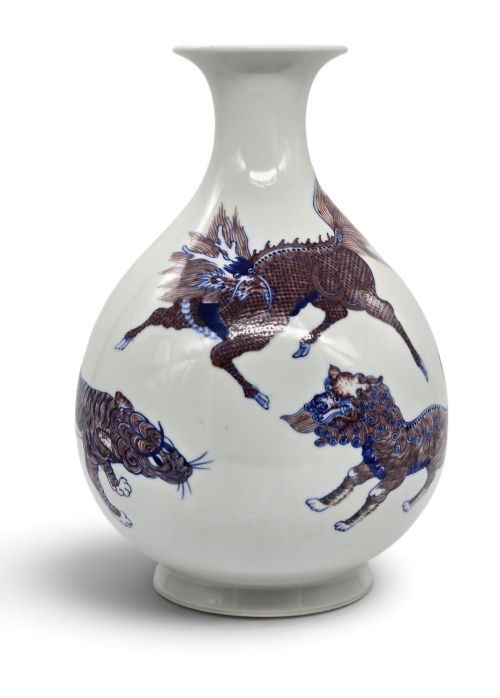
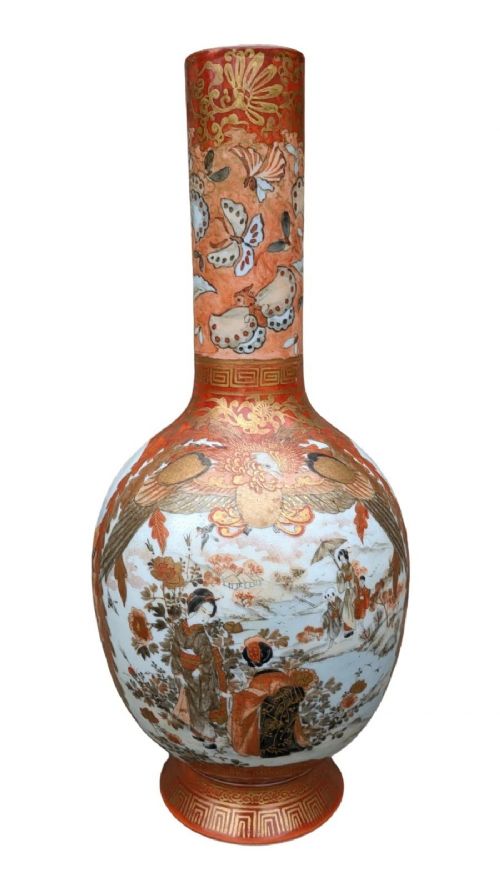
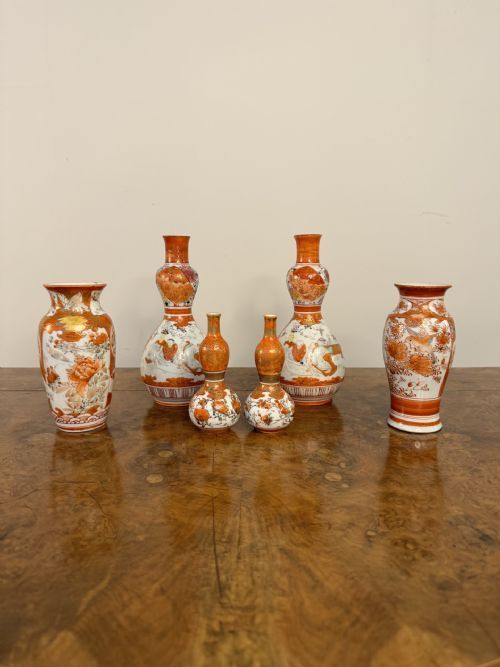
The selections available here lean heavily toward traditional vase shapes, such as garlic-mouth vessels, double-gourd profiles, and slender-neck bottles. Many feature specific cultural motifs like dragons, mythical beasts, and figurative scenes rendered in rich enamel or underglaze blue.
How They Were Made
The makers utilised refined ceramic and porcelain bodies, often finished with cobalt oxide or intricate enamel colours to create detailed pictorial scenes. Gold leaf and specialised glazes, such as crackle, celadon, and tea dust, frequently coat the surfaces.
Techniques relied on precise wheel-throwing or moulding, followed by high-temperature firing in kilns to vitrify the ceramic. Painters then applied underglaze pigments or overglaze enamels by hand before a secondary fixing fire.
Erotic spring palace scenes hide inside certain tiny Qing Dynasty snuff bottles, meant for private amusement.
What Varies in Quality
Quality rests in the precision of the brushwork and the clarity of the glaze, separating masterworks from commercial wares. Fine examples display crisp cobalt painting, controlled enamel application, and well-balanced forms without kiln distortion.
The sophistication of the decorative detail and the historical depth of the motifs dictate the standing of a piece. Superior items exhibit careful attention to the foot ring and base markings, reflecting the standards of the period workshop.
The Oriental Porcelain Bottle Glossary
- Famille rose
- A palette of opaque overglaze enamels introduced in the Qing Dynasty, dominated by pink and rose colours.
- Underglaze blue
- A decoration method where cobalt pigment is applied to the raw ceramic body before glazing and firing.
- Imari
- A style of Japanese export porcelain featuring underglaze blue and overglaze iron-red and gold.
- Kutani
- Japanese coloured ceramics known for bold pictorial designs, originating from the Ishikawa prefecture.
- Snuff bottle
- A small container used for holding powdered tobacco, highly decorated in various materials during the Qing era.
Oriental Porcelain Bottle: Frequently Asked Questions
How do I date an antique bottle?
Dating relies on examining the style of the painting, the composition of the ceramic body, and any base marks or seal signatures present.
Comparison with documented pieces from periods like the Qing Dynasty or Meiji era helps establish a reliable timeline.
What were porcelain bottles used for?
These vessels served various functions, from holding liquids like wine and sake to storing tobacco in small snuff bottles.
Larger specimens functioned purely as decorative art objects within elite interiors.
How should I display my bottle?
Place the piece on a stable, flat surface away from direct sunlight and heavy foot traffic to protect the delicate enamel work.
Ensure adequate lighting that highlights the glaze characteristics without generating excessive heat.
What is the difference between Chinese and Japanese pieces?
Chinese pieces often emphasise imperial motifs, monochrome glazes, and detailed narrative scenes using palettes like famille rose.
Japanese examples frequently showcase distinct regional styles such as Kutani or Imari with vibrant red and gold highlights.