



Gilded Porcelain Bottle
A gilded porcelain bottle unites ceramic craft with applied gold leaf, offering collectors a vessel defined by refined glaze and metallic surface detail.
Gilded Porcelain Bottle
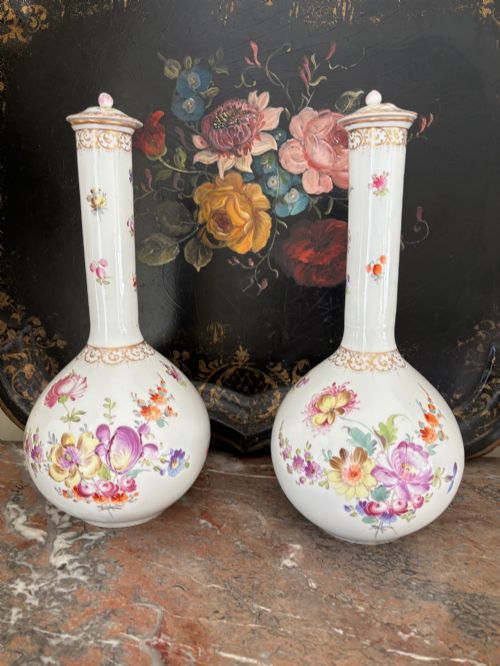
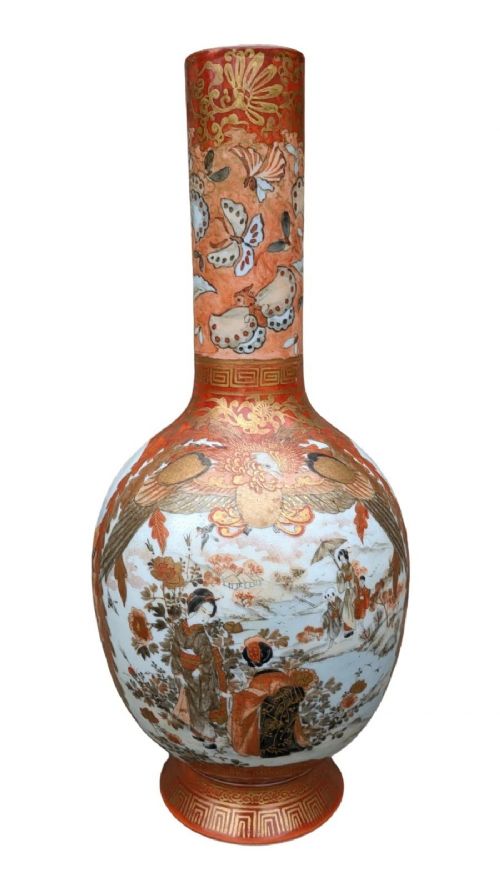
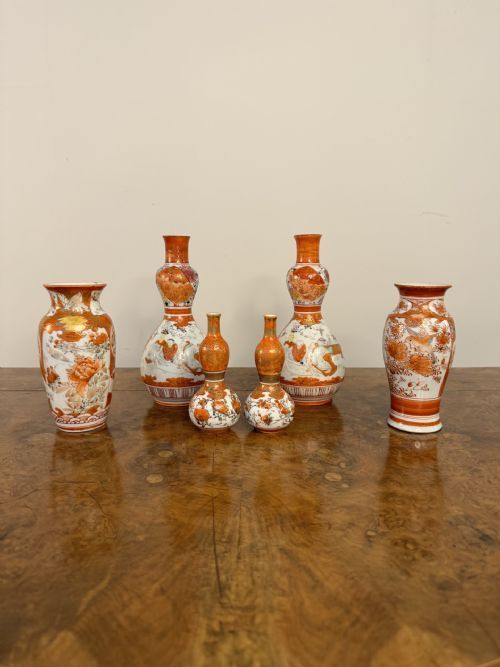
A gilded porcelain bottle encompasses small scent vessels, perfume containers, snuff receptacles and slender neck vases decorated with metallic gold. When examining these objects, a buyer encounters forms spanning the Georgian, Regency, Victorian and Edwardian eras alongside Japanese Imari and Kutani imports.
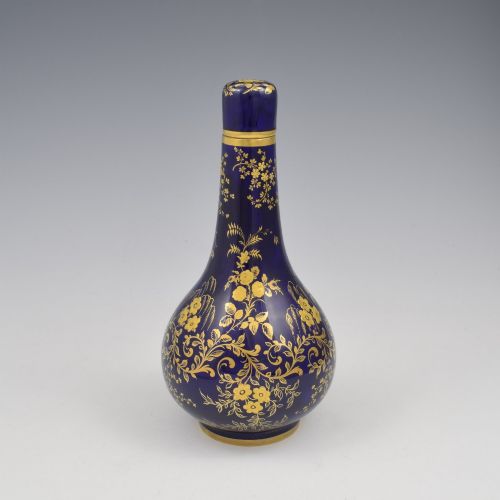
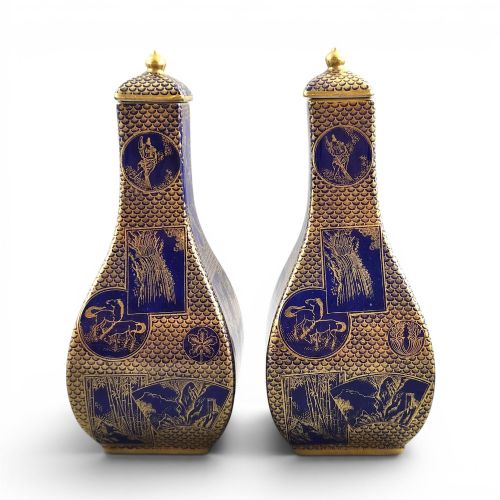
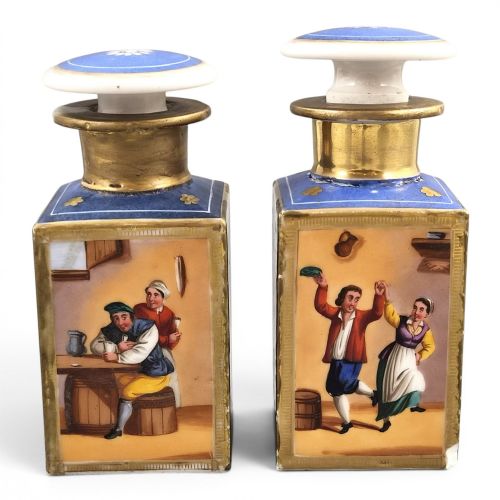
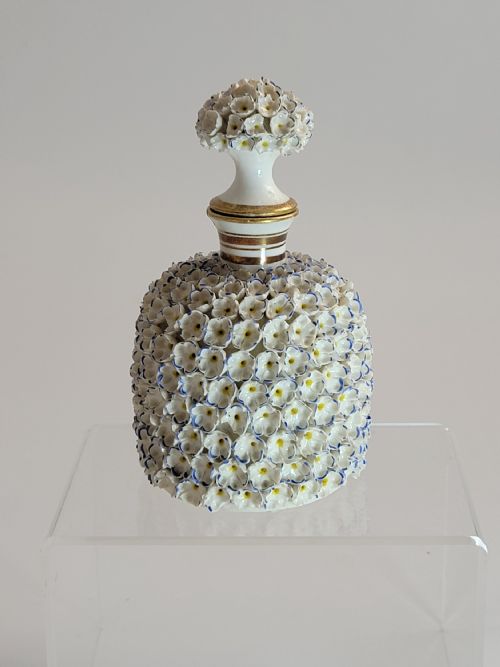
The selection on this page demonstrates that the term covers diverse utilitarian and decorative containers, from miniature crown staffordshire scent bottles to larger nineteenth century Japanese bottle shaped vases. Most examples combine a glazed ceramic body with hand painted scenes, floral motifs or cobalt blue grounds.
Originating from English factories, continental workshops and Japanese kilns, these pieces reflect distinct regional aesthetics of the nineteenth and early twentieth centuries. Collectors select them for their combination of miniature scale, painted detail and lustrous gilding.
Judging quality and execution
Quality in a gilded porcelain bottle resides in the precision of the hand painting and the crispness of the gilding applied over the glaze. Superior examples display detailed brushwork, such as figural Teniers scenes or delicate floral encrustations, executed without smudging.
The weight and refinement of the ceramic body also distinguish finer pieces, alongside the harmonious balance between the blue ground, enamel colours and gold leaf highlights. Well preserved surface gilding indicates careful handling and superior initial firing temperatures.
A tiny rose water sprinkler allows nineteenth century users to mist fine fragrance across a room with aristocratic flair.
Sitzendorf·Derby·Mason's·Jacob Petit·Stevenson & Hancock·Crown Staffordshire·Royal Worcester·Flight, Barr & Barr
The Gilded Porcelain Bottle Glossary
- Gilding
- The application of gold leaf, gold gilt or powdered gold to the surface of porcelain. This technique highlights raised motifs, rims and painted panels.
- Imari
- A style of Japanese porcelain featuring distinctive blue, iron red and gold decoration. Pieces in this tradition often display intricate patterned panels.
- Ironstone
- A heavy, durable type of earthenware or semi vitreous ceramic patented in England. It provided a strong ground for cobalt blue decoration and gilding.
- Parian ware
- A fine grained unglazed biscuit porcelain resembling white marble. Victorian makers utilised this material for sculptural scent bottles and decorative figures.
- Satsuma
- A type of Japanese earthenware characterised by a crackle glaze and elaborate polychrome enamel and gilt decoration. These vessels frequently depict traditional figures and landscapes.
Gilded Porcelain Bottle: Frequently Asked Questions
How do I clean a gilded porcelain bottle?
Dust the surface gently with a soft, dry brush to prevent accumulation around raised gilding and painted panels.
Avoid using water, chemical cleaners or abrasive cloths, as moisture and friction can damage fragile gold leaf and enamel decorations.
Were these bottles meant for daily use?
Many perfume and scent containers served as functional accessories for the dressing table during the Georgian and Victorian periods.
Larger bottle vases and garniture sets functioned primarily as decorative ornaments within domestic interiors.
How can I distinguish English porcelain from Japanese imports?
English pieces often feature factory marks associated with Worcester, Derby or Staffordshire alongside European floral or figural subjects.
Japanese examples typically display Imari palettes, Kutani aesthetics or Satsuma crackle glazes characteristic of the Meiji period.
What causes wear to the gold on these pieces?
Frequent handling over decades gradually wears away surface gilding, particularly around stoppers, necks and high relief details.
Cleaning with inappropriate materials or storing pieces in humid conditions can also accelerate the degradation of delicate gold leaf.