


Oriental Pattern Plate
An oriental pattern plate brings patterned ceramic colour and export history directly to a wall or table.
Oriental Pattern Plate
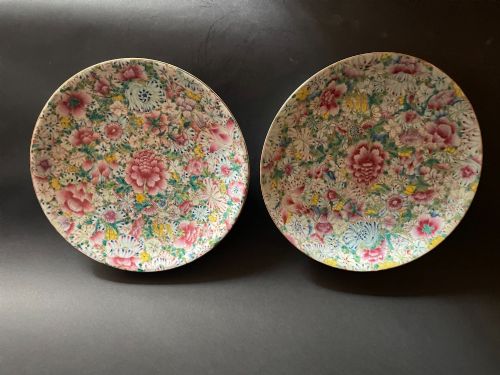
An oriental pattern plate encompasses decorative plates, serving platters, chargers, and saucers produced across various centuries. When searching for an oriental pattern plate, buyers frequently encounter Japanese Imari wares from around nineteen hundred alongside Chinese export porcelain and English transferware adaptations.
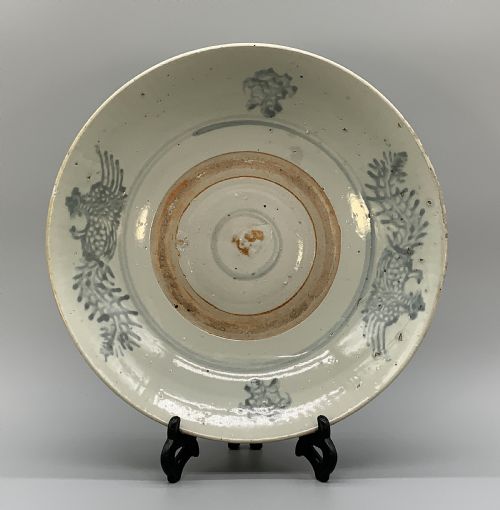
The selection ranges from seventeenth-century Chinese Ming Dynasty Swatow ware and Kangxi period chargers to eighteenth-century Qing Dynasty Qianlong saucers and English Georgian transferware. Regional interpretations span Japanese cloisonne pieces, Meiji period items, and Delft earthenware decorated with garden scenes.
How they were made
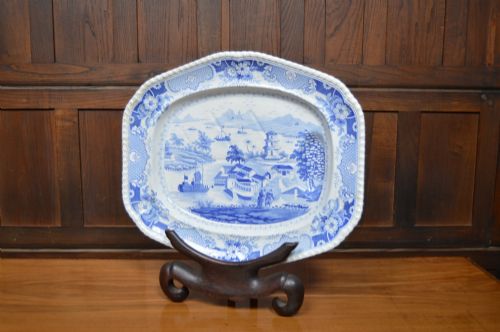
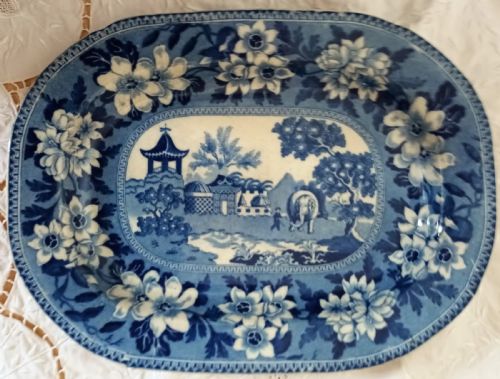
Porcelain and earthenware form the core bodies, decorated with cobalt glaze, ceramic glaze, enamel, and gold leaf. Transfer printing technology enabled English makers to apply detailed pictorial scenes onto pottery surfaces.
Hand-painting techniques define the Japanese Imari and Chinese export examples, utilising rich underglaze blue and contrasting enamel colours. Cloisonne examples incorporate metal wirework filled with coloured enamels to build the pictorial designs.
Several plates feature unexpected passengers, including an inquisitive ibis and roaming elephants navigating transferware landscapes.
What varies in quality
The clarity and precision of the painted or transferred design distinguish superior examples from simpler production pieces. Sharpness in cobalt blue definition and careful registration of enamel colours demonstrate higher workshop skill.
Form and edge finishing also dictate quality, noticeable in scalloped edges, octagonal shaping, and the balance of the ceramic body. Early throwing techniques and the refinement of the porcelain paste reveal the standing of the original maker.
John Rogers and Son·J W R
The Oriental Pattern Plate Glossary
- Imari
- A style of Japanese export porcelain featuring iron red, cobalt blue, and gold decoration. This palette became immensely popular across Europe during the trading periods.
- Transferware
- Pottery decorated by applying a printed design from a copper plate onto the ceramic surface via tissue paper. This method allowed intricate topographical and narrative scenes to be replicated consistently.
- Charger
- A large decorative plate or platter intended primarily for display on a sideboard or wall rather than for practical dining use. These substantial pieces often showcase the finest work of a kiln.
- Swatow Ware
- A type of Chinese export porcelain produced during the late Ming dynasty, typically characterised by robust potting and freely painted designs. These vessels were shipped widely across Asian and European markets.
- Delft
- Tin-glazed earthenware produced in England and the Netherlands, frequently imitating Chinese blue and white export motifs. The soft earthenware body carries a distinctive opaque white glaze.
Oriental Pattern Plate: Frequently Asked Questions
How do I date an imari plate?
Dating relies on examining the weight of the porcelain body, the depth of the cobalt blue, and the hue of the iron red enamel. Meiji period and later pieces from around nineteen hundred often display brighter, more uniform enamel application.
Earlier examples from the eighteenth century show subtle variations in the ceramic body and softer, hand-mixed pigment tones. Comparing the foot ring construction provides further clues regarding the manufacturing period.
What is transferware?
Transferware is pottery decorated using an engraved copper plate to transfer a printed ink design onto the ceramic body. This technique allowed potteries to produce detailed pictorial subjects like temple scenes and botanical motifs consistently.
Introduced extensively during the Georgian and Victorian eras, these pieces brought narrative decoration into domestic dining rooms. The printed lines sit beneath or within the glaze for protection during everyday use.
Are chargers meant for walls?
Chargers are large platters traditionally utilised for ceremonial presentation or as base plates beneath other dishes during formal dining. Their generous surface area made them ideal canvases for elaborate oriental patterns and scenic views.
Many surviving examples feature old wire fixings attached to the reverse for wall display. Their substantial weight requires secure fixings if chosen for vertical presentation.
How should I clean antique plates?
Cleaning requires gentle hand washing in lukewarm water with mild soap, avoiding abrasive sponges or modern dishwashers. Enamel and gold leaf decorations found on export wares can degrade if subjected to harsh chemical immersion.
Allowing pieces to air dry on a padded surface prevents chipping along delicate scalloped rims. Regular dusting with a soft, dry cloth is sufficient for decorative wall chargers.