

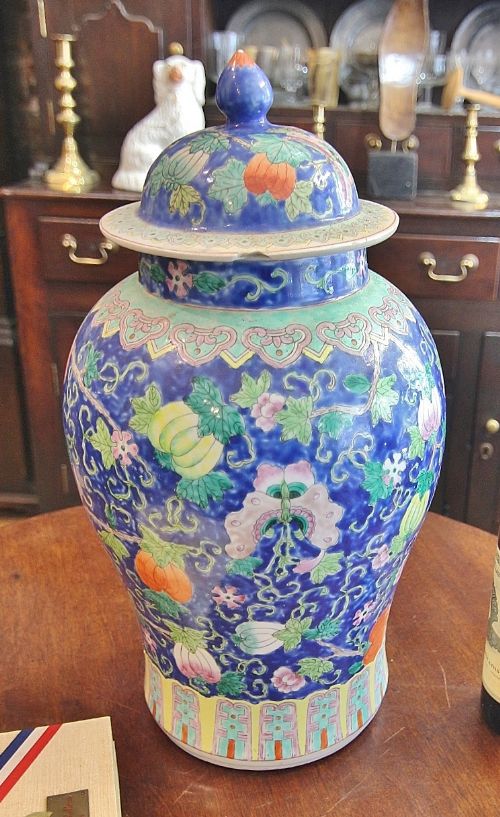
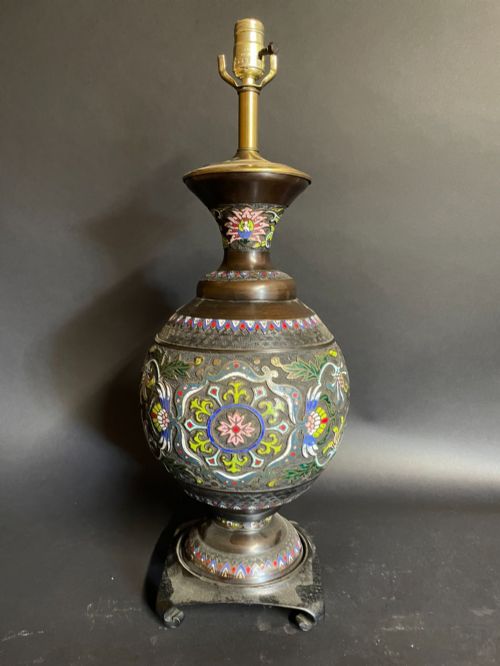
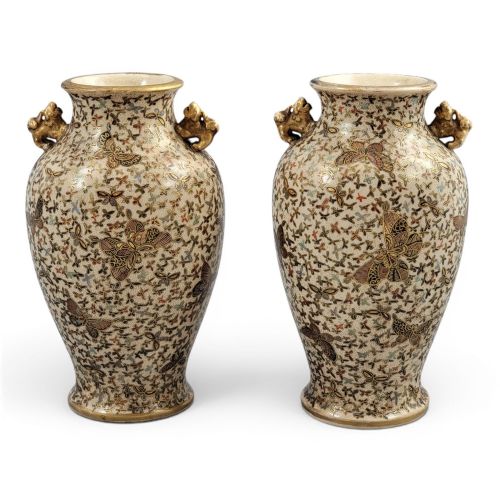
Oriental Enamel Urns
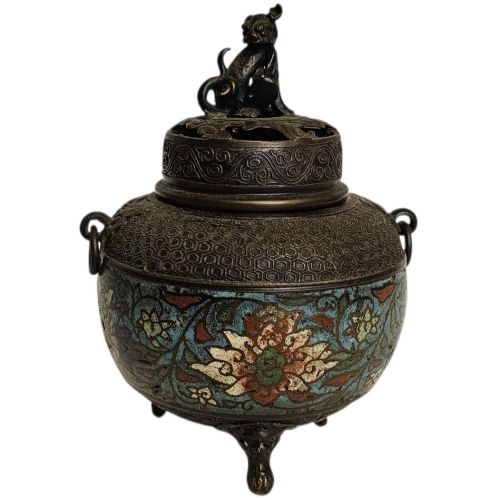
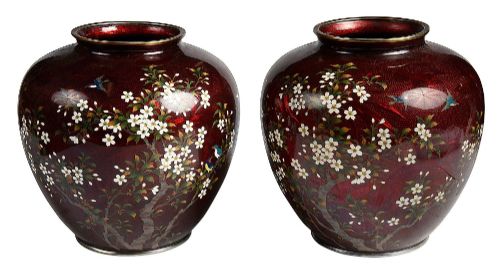
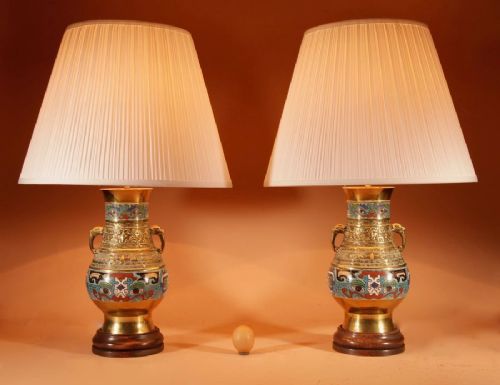
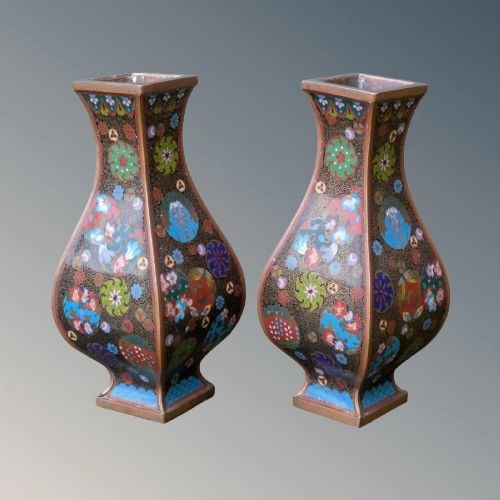
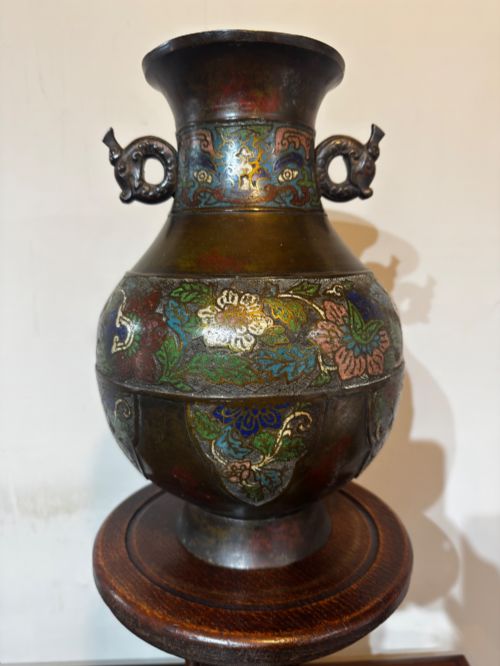
Oriental enamel urns are striking vessels of cloisonné enamel and brass, prized for their vibrant colour and intricate decorative presence.
What oriental enamel urns are
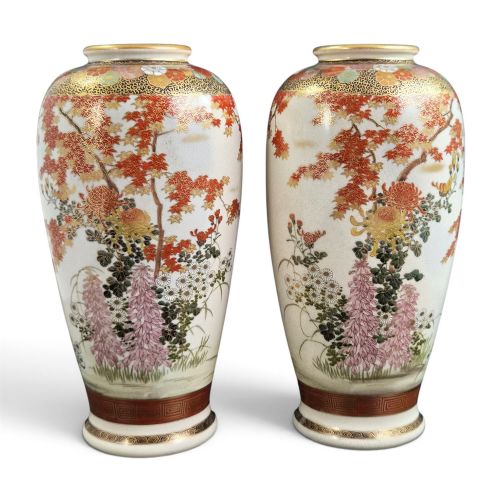
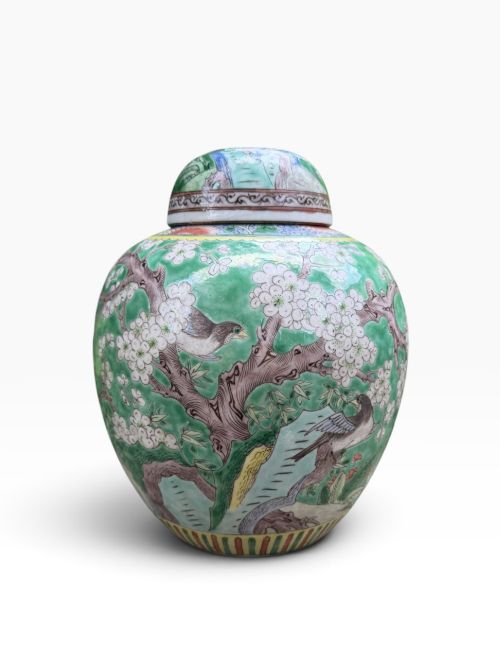
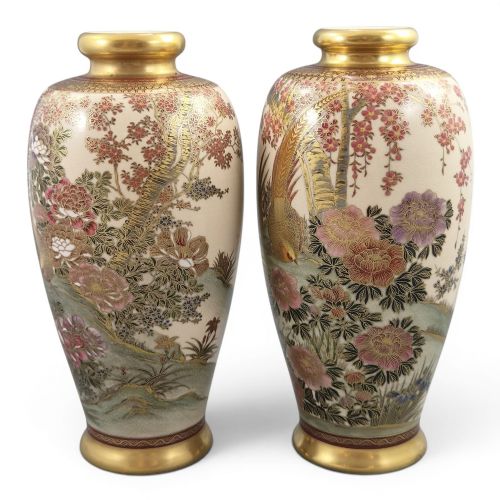
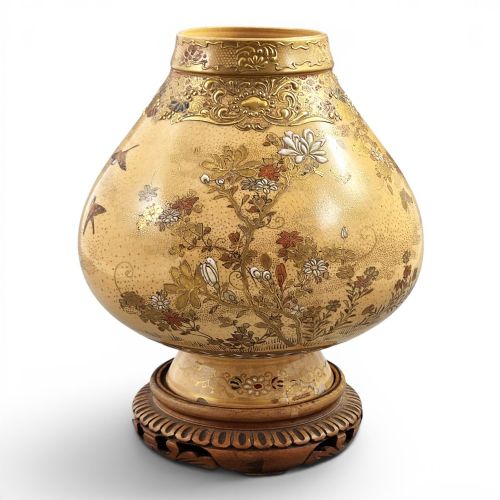
Oriental enamel urns encompass decorative vases originating from Chinese and Japanese traditions, specifically bearing the marks of Meiji period craftsmanship and Edwardian imports. These pieces arrive in pairs or as individual items, presenting characteristic metal forms designed for display.
The typical examples encountered on this page date from the early 20th century, around 1900 to 1910, reflecting popular aesthetic tastes of the Edwardian era. Such items bridge Eastern manufacturing techniques with Western domestic interiors of the period.
How they were made
Makers construct oriental enamel urns using brass and copper foundations that form the structural body of each vase. Artisans shape these base metals into decorative vessels ready to receive surface ornamentation.
The technique relies upon cloisonné enamel, where thin metal wires create cells soldered to the metal base before workers fill them with coloured enamel pastes. Firing fixes the glassy pigments within their wire compartments to produce the finished decorative surface.
Listings feature early 20th century items from the Edwardian era, incorporating brass, copper, and cloisonné enamel materials.
What varies in quality
Quality diverges in the precision of the wirework grids and the uniformity of the fired enamel filling within the individual cells. Finer examples display meticulous alignment and smoother surface polishes across the brass or copper body.
The sophistication of the decorative motifs and the richness of the colour palette also distinguish superior pieces from simpler utilitarian production. Early 20th-century items demonstrate varying degrees of intricacy in their overall aesthetic execution.
The Oriental Enamel Urns Glossary
- Cloisonné enamel
- A decorative metalwork technique where fine wires form compartments filled with enamel paste and fired. This method creates distinctive patterned surfaces on vases.
- Edwardian
- The historical period spanning the early 20th century up to 1910. Pieces from this era often reflect specific importing trends in Britain.
- Meiji Period
- The era in Japanese history spanning from 1868 to 1912. Artworks from this time frequently influence oriental decorative objects found in Western collections.
- Brass
- A metal alloy of copper and zinc utilised as a foundational material for vessel bodies. It provides both strength and a golden support for enamel work.
Frequently Asked Questions
What are oriental enamel urns?
Oriental enamel urns are decorative vases fashioned from brass and copper using cloisonné enamel techniques. They date from the early 20th century.
These pieces reflect Chinese and Japanese stylistic traditions imported and collected during the Edwardian period.
How were these vases used?
These vessels served primarily as decorative ornaments within domestic interiors, often displayed in pairs upon mantelpieces or side tables.
Their vibrant enamelled surfaces were intended to catch the light and add exotic visual interest to rooms.
How do I date oriental enamel urns?
Dating relies upon stylistic markers associated with the Edwardian era, the Meiji period, and the early 20th century. Construction materials like brass and specific enamel types provide chronological clues.
Catalogues and listings frequently attribute these objects to specific decades based on established design traits.
What materials make up these urns?
The primary structural materials are brass and copper, which form the rigid metallic body of the vase. Enamel and cloisonné enamel supply the colourful surface decoration.
These combined materials allow for durable vessels featuring intricate wirework patterns.