





Oriental Enamel Jar
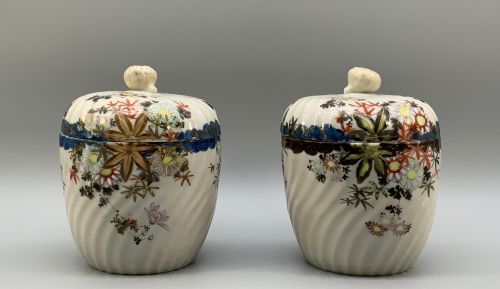
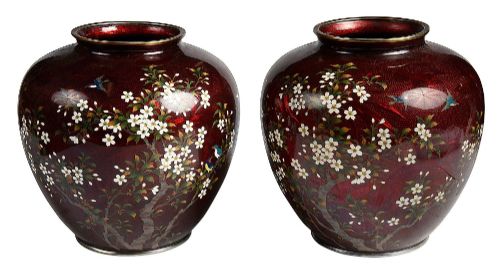
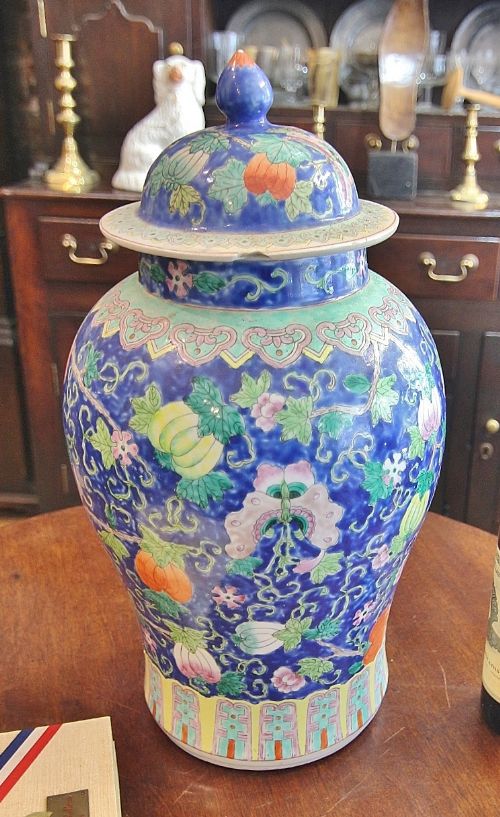
An oriental enamel jar brings the precise hand of Qing Dynasty workshops and Meiji period makers directly into a modern room.
Oriental Enamel Jar
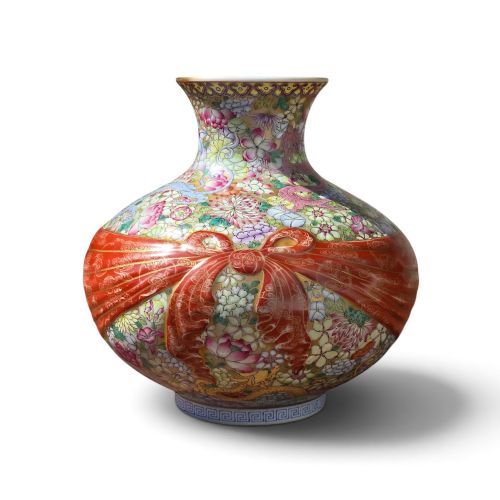
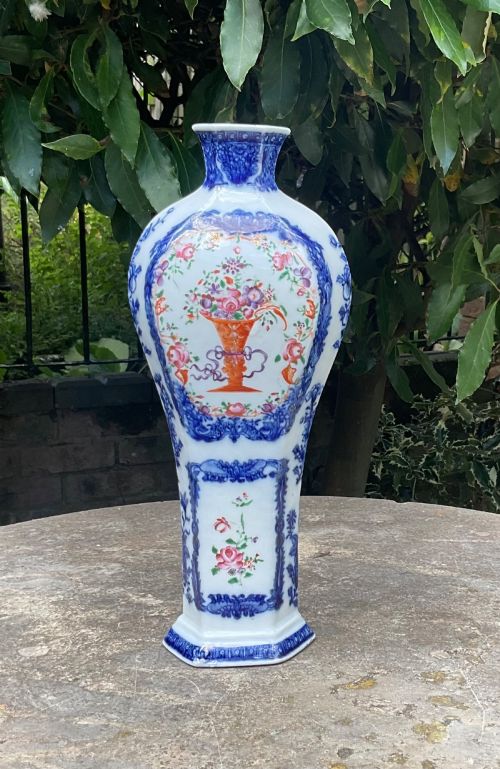
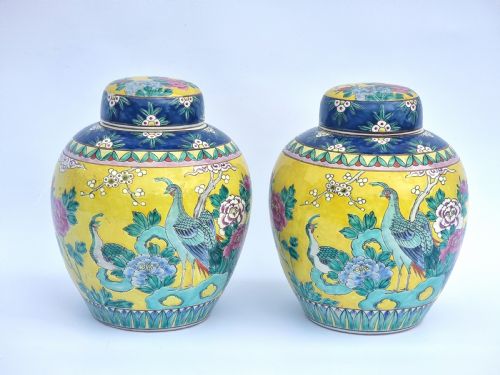
An oriental enamel jar encompasses lidded ginger jars, baluster vases, and decorative vessels originating from Chinese and Japanese kilns and metalwork studios. Buyers seeking this phrase typically encounter nineteenth-century pieces, including Canton Rose Medallion work and Japanese cloisonné.
The forms range from small lidded gourd pots and incense burners to monumental floor vases. Chinese porcelain versions sit alongside copper and bronze vessels decorated with wires and coloured glazes.
Originating predominantly from the Qing Dynasty and the Meiji period, these objects served both domestic display and export markets. Surviving examples demonstrate the enduring appeal of traditional hand-painted and enamelled motifs.
How they were made
Craftsmen built these vessels using porcelain, copper, and bronze as bases before applying detailed overglaze enamel, famille rose palettes, or gold leaf. Japanese cloisonné utilised fine silver or copper wires to partition the surface cells before filling them with coloured glass pastes.
Porcelain jars received hand-painted underglaze blue or polychrome overglaze designs, requiring precise kiln firings to set the iron-red and green pigments. Metal vessels underwent repeated firings and polishings to achieve a smooth finish across the wirework.
Jars decorated with auspicious symbols often hide playful Buddhist lions peering out from behind intricate ribbons and floral cascades.
What varies in quality
The precision of the wirework and the depth of the enamel colour set finer cloisonné pieces apart from standard production. Tight, uniform cell work and clear, unclouded red and green enamels indicate superior workshop output.
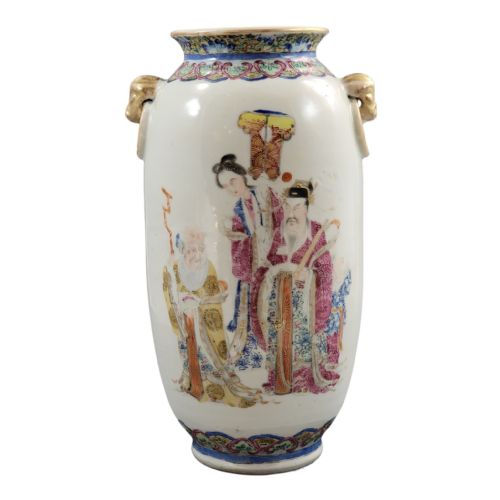
Porcelain quality rests upon the fineness of the hand-painted brushwork and the complexity of the palette, such as intricate millefleurs or detailed figural scenes. Crisp definition in the facial expressions of dragons and immortals distinguishes master-level pieces from simpler export wares.
Ando Jubei·Makuzu Kozan II
The Oriental Enamel Jar Glossary
- Cloisonné
- Enamelwork in which coloured pastes are applied within cells formed by thin metal wires soldered to a metal base. This technique creates a patterned surface of distinct compartments.
- Famille Rose
- A major palette of Chinese ceramic overglaze enamels introduced in the Qing Dynasty, dominated by opaque pink or rose colours. It allowed for subtle gradations of tone in floral and figural scenes.
- Ginger Jar
- A broad-shouldered ceramic vessel with a domed cover, originally designed for storing spices. These containers became standard decorative forms in export porcelain.
- Meiji Period
- The era of Japanese history spanning from 1868 to 1912, noted for technical mastery in metalwork and ceramics. Pieces from this time often display refined silver wire cloisonné.
- Koro
- A traditional Japanese or Chinese incense burner featuring a perforated lid and supported on feet. They were frequently cast in bronze and decorated with enamel.
Oriental Enamel Jar: Frequently Asked Questions
How do I date a cloisonne jar?
Examine the base metal, the thickness of the wire, and the composition of the enamel colours. Nineteenth-century pieces often display heavier copper bases and visible wire joints under magnification.
Later twentieth-century examples tend to feature more uniform machine-drawn wires and brighter, synthetic chemical enamel tones. Comparing the stylistic motifs to documented Meiji or Qing periods helps confirm the era.
Are ginger jars supposed to have lids?
Original ginger jars were manufactured with matching fitted lids for practical storage purposes. Many surviving pieces have lost their covers over the centuries due to everyday handling.
Finding a jar with its original matching lid significantly enhances the completeness of the piece. Replacements are common, so inspecting the fit and glaze continuity at the rim is essential.
How should I clean my enamel jar?
Dust the surface gently with a soft, dry microfiber cloth to remove everyday particles. Avoid using water, liquid cleaners, or chemical polishes, as moisture can infiltrate hairline cracks in the enamel or corrode the exposed metal wires.
Keep the vessel away from direct sunlight and heat sources to prevent the pigments from fading or the glaze from expanding.
What is the difference between Chinese and Japanese cloisonne?
Chinese cloisonné typically employs heavier bronze or brass bases with thicker wires and dense, opaque enamel colours. The decorative themes often focus on traditional auspicious symbols, dragons, and floral arrangements.
Japanese cloisonné, particularly from the Meiji period, frequently uses thin copper or silver bases with microscopic wirework. Japanese makers developed transparent enamels over textured silver foils, known as ginbari.