


Oriental Enamel Decorative Vases
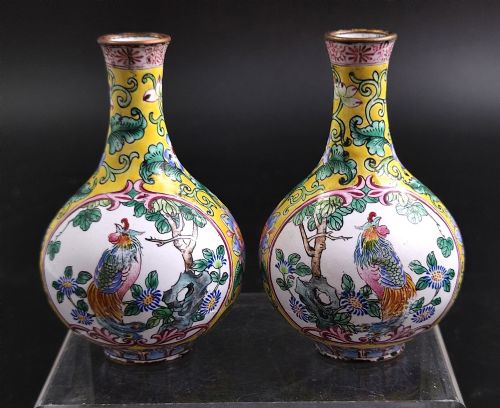
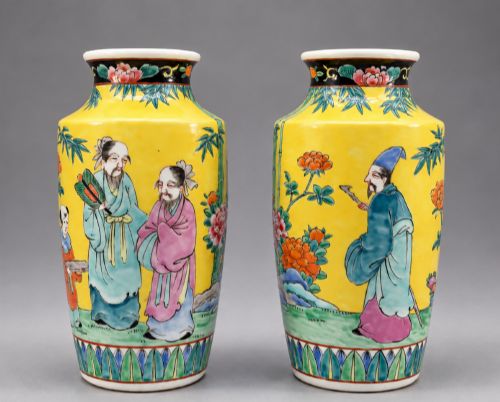
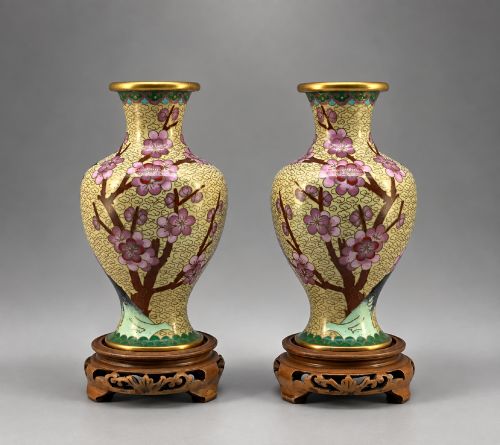
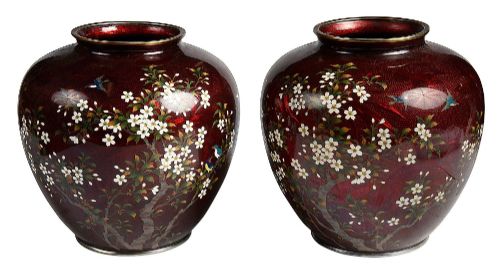
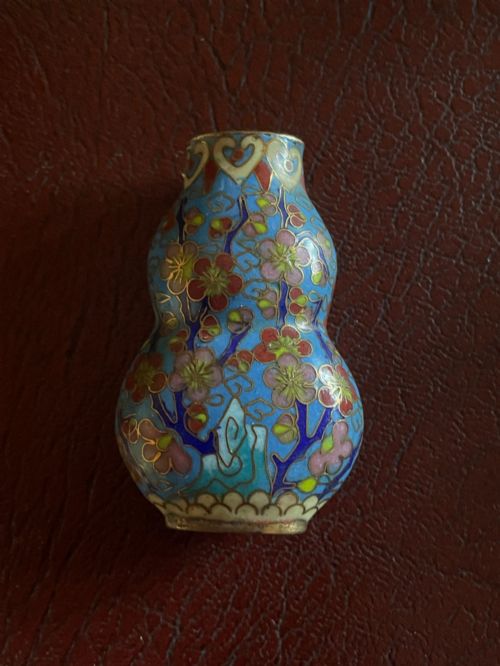
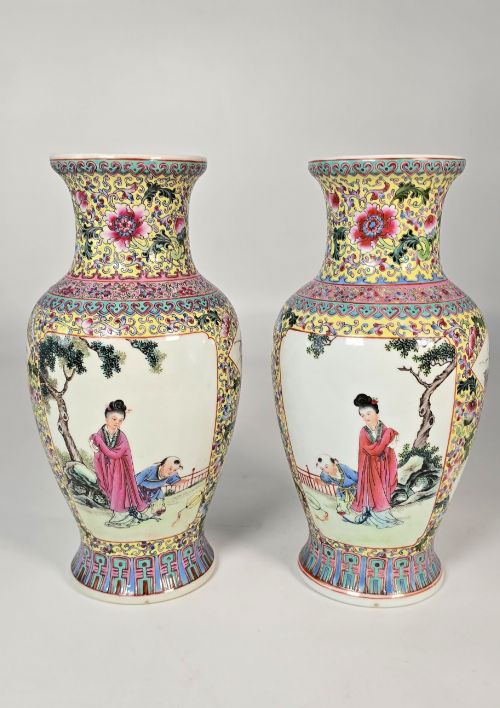
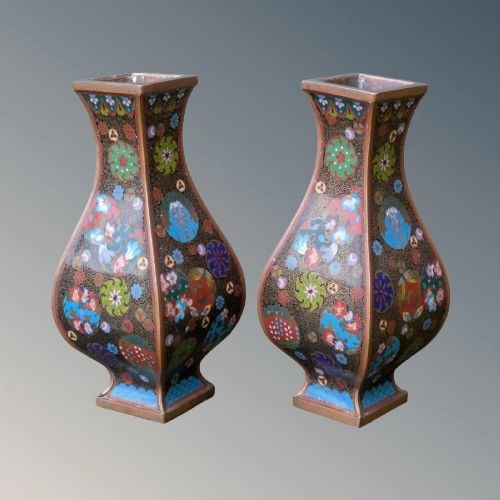
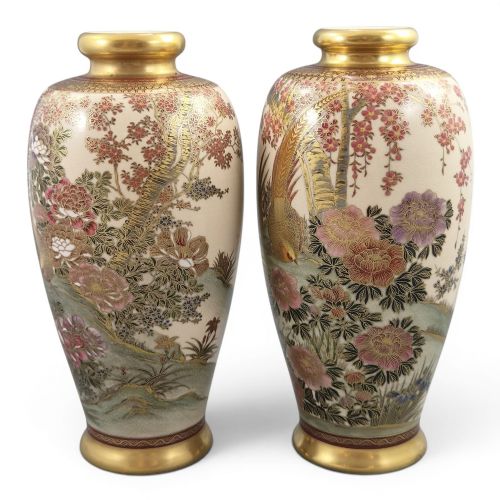
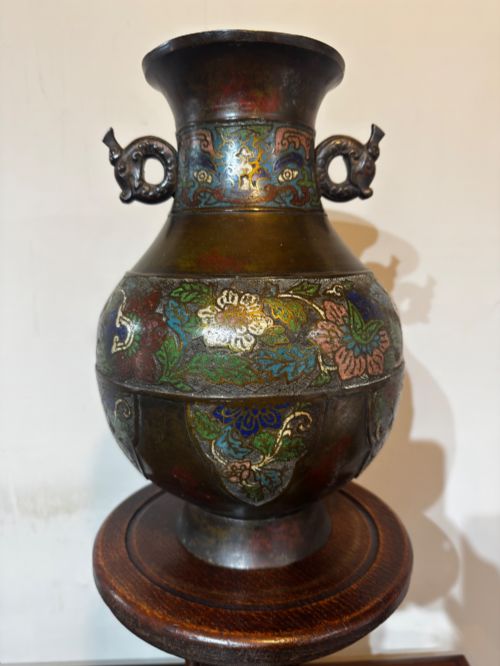
These oriental enamel decorative vases bring together intricate metalwork and painted ceramics from the nineteenth and early twentieth centuries.
Oriental Enamel Decorative Vases
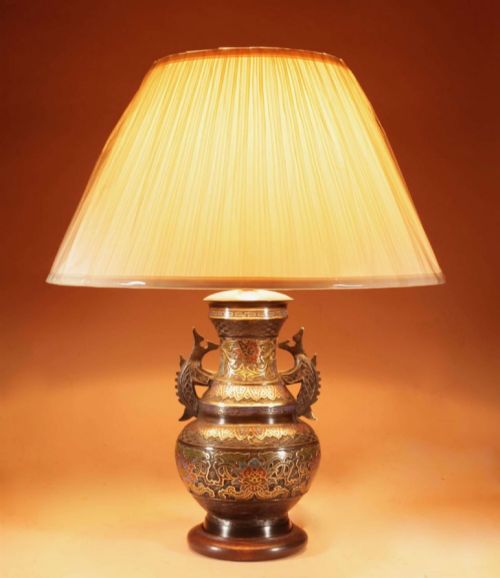
When searching for oriental enamel decorative vases, buyers encounter a diverse selection originating from Japanese and Chinese workshops across the nineteenth century, Edwardian era and 1930s. The inventory ranges from massive palace jars and floor urns down to miniature vessels and table lamps.
The objects span multiple forms, including cloisonné and champlevé metal vessels alongside hand-painted porcelain ginger jars, moon flasks and Satsuma stoneware jardinieres. Pieces frequently arrive in matched pairs, though individual mantel vases and lidded jars also appear.
Materials and construction
Many works utilise a copper, brass or bronze base embellished with wire-formed compartments filled with coloured enamel pastes, then fired and polished smooth. Others employ porcelain or stoneware bodies decorated with intricate overglaze enamels, cobalt blue and heavy gilt moriage relief work.
Specialised techniques such as silver wire cloisonné, translucent ginbari grounds and basse-taille create complex depth beneath the surface gloss. Artisans combined cast metal foundations with delicate soldering and multi-stage kiln firings to achieve durable decorative surfaces.
Listings feature works created across various periods, spanning from the 1860s through the Edwardian era up to 1930.
Distinctions in quality
Superior items display absolute precision in wirework alignment, perfectly even enamel saturation and crispness within hand-painted pictorial panels depicting birds, flowers or figures. Lesser examples show uneven cell depths, surface pitting or hurried brushwork across secondary motifs.
Signatures from notable makers or exhibition-standard craftsmanship elevate specific vessels above standard commercial wares. The crispness of the gilt detailing and the complexity of the underlying textures dictate the visual impact of each piece.
Ando Jubei·Makuzu Kozan II·Manpei·Nanzan·Hakusan·Hododa
The Oriental Enamel Decorative Vases Glossary
- Cloisonné
- A metalworking technique where flat wires are soldered to a base to create cells filled with enamel paste before firing.
- Champlevé
- A method where troughs or cavities are cast or gouged directly into a metal surface to receive coloured enamel.
- Moriage
- A Japanese ceramic decoration method using piped clay slips to build up raised decorative relief patterns beneath glazes.
- Famille Rose
- A palette of Chinese porcelain enamels dominated by opaque pink or rose colours introduced in the eighteenth century.
- Ginbari
- A Japanese foil-backed enamelling technique creating textured patterns that shine visibly beneath translucent coloured layers.
Oriental Enamel Decorative Vases: Frequently Asked Questions
How do I clean antique enamel vases?
Dust surfaces gently with a soft, dry cloth to prevent accumulation within recessed wire cells or painted crevices.
Avoid liquid cleaners, chemical solvents or abrasive cloths that can damage vulnerable gilding or fragile metallic finishes.
Can these vases hold water safely?
Most antique metal and porcelain vessels are intended strictly for decorative display rather than functional use as flower holders.
Introducing moisture risks damaging older interior linings, adhesives or metallic bases over time.
How do I identify Meiji period pieces?
Japanese items from the Meiji era often exhibit exceptionally fine wirework, complex flora and fauna motifs, and occasional maker signatures.
Comparing the weight, finish quality and structural construction helps separate nineteenth-century works from later reproductions.
What is the difference between cloisonné and champlevé?
Cloisonné relies on thin wires soldered onto the metal body to form distinct compartments for holding coloured enamel pastes.
Champlevé involves carving or casting depressions directly into the solid metal foundation to contain the fused glass pastes.