


Japanese Cloisonne Vase Pair
These japanese cloisonne vase pair examples bring intricate metalwork and coloured enamels into a room, originating mostly from the Meiji period.
Japanese Cloisonne Vase Pair
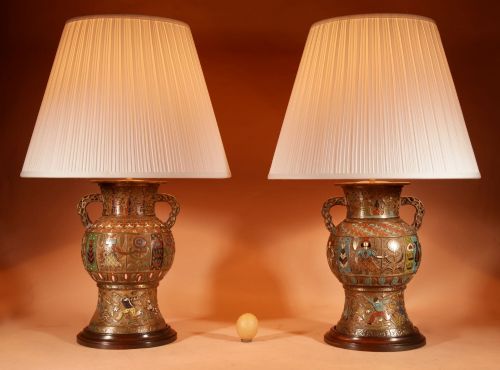
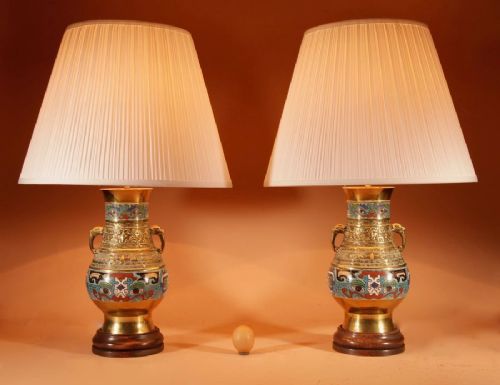
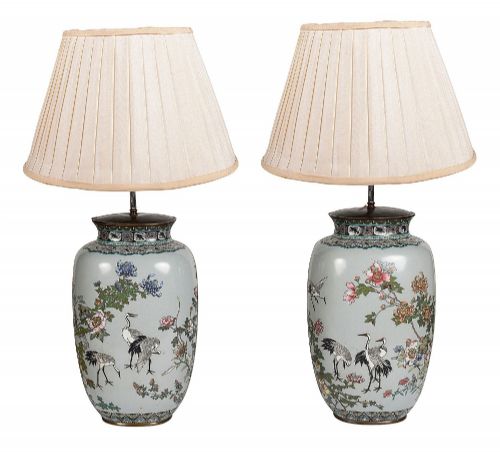
A japanese cloisonne vase pair consists of matching vessel companions decorated using soldered metal wires to create individual cells for coloured enamels. Buyers searching for a japanese cloisonne vase pair encounter matching vessels spanning various sizes from miniature heights up to large palace proportions. The selection frequently includes pieces adapted into table lamps alongside traditional ginger jars and decorative urns.
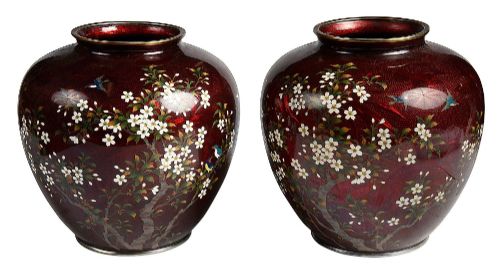
Most examples originate from the 19th century and the Meiji period, though items stretch from the Edo period through to the early 20th century. Forms range from baluster silhouettes to wide ginger jars fitted with lids. Many of these balanced pairs show symmetrical floral or avian motifs including phoenix and blossom details.
How They Were Made
Artisans built these pieces by soldering thin brass, copper or silver wires onto a metal foundation body to form partitioned cells known as cloisons. Workers then filled these detailed compartments with enamel paste before firing the vessels in a kiln and polishing the exterior smooth.
Makers incorporated specialised techniques such as silver foil underlays and ginbari methods to create textured translucent effects beneath the enamel layers. Ormolu mounts and wooden bases frequently complete the construction of these decorative objects.
Some pairs display delightful harlequin mismatched patterns, proving that symmetry sometimes took a backseat to sheer decorative mischief.
What Varies in Quality
The precision and fineness of the soldered wirework separate standard production from superior artistry in these objects. Tighter wire grids and thinner dividing lines permit more intricate pictorial detailing across the surface of the enamel.
Enamel purity and the absence of surface pitting dictate the visual depth achieved during the polishing stage. Balanced symmetry between the two companion vessels and the crisp execution of motifs like birds and blossoms define the upper tier.
ANDO·Hayashi
The Japanese Cloisonne Vase Pair Glossary
- Cloisonne enamel
- Metalwork decorated with coloured glass paste fired inside soldered wire compartments. The technique creates distinct cellular patterns across the body of the vessel.
- Ginbari
- Japanese foil-backed enamel method producing a textured background beneath translucent colour. This technique adds considerable depth to the decorative surface.
- Meiji period
- Japanese historical era spanning from 1868 to 1912 noted for exceptional metalwork production. Many of the finest surviving decorative objects originate from these decades.
- Champleve
- Enamel technique where troughs or cavities are cast directly into the metal base rather than built up with soldered wires. This creates bolder outlines filled with coloured paste.
- Moriage
- Japanese ceramic and enamel decoration technique applying raised enamel dots or designs to create texture. The method adds tangible relief to the finished vessel surface.
Japanese Cloisonne Vase Pair: Frequently Asked Questions
How are these pairs displayed?
These balanced vessels sit neatly on mantelpieces, side tables or cabinets as matching decorative ornaments. Some examples arrive converted into functional table lamps with electrical fittings.
Owners often place them where ambient light catches the metallic wires and glossy enamel surfaces. Keeping matching companions together maintains the visual symmetry intended by the maker.
What motifs appear on them?
Common decorative subjects include natural scenes featuring birds, phoenix figures and blossoming flowers. Artisans rendered these designs using precise coloured enamels divided by fine metal wires.
Geometric patterns and traditional Japanese motifs also populate the surface designs. Each companion vessel in a matched set typically mirrors or complements the pictorial theme of the other.
How do I date these items?
Dating relies on examining the style of the metalwork, the types of wire used and the overall aesthetic characteristics. Pieces from the Meiji period often display exceptional wire precision and vibrant enamel colours.
Later 20th century productions shift in weight and palette compared to Victorian and 19th century examples. Documentation or traditional signatures embedded in the base occasionally provide clearer chronological markers.
Can damaged enamel be repaired?
Restoring chipped or cracked enamel requires specialist conservation skills due to the complex firing and wirework involved. Most collectors prefer to keep pieces in untouched condition rather than attempt modern interventions.
Minor surface wear remains common in antique metalwork given the age of these objects. Proper placement away from direct sunlight protects the integrity of the coloured pastes.