
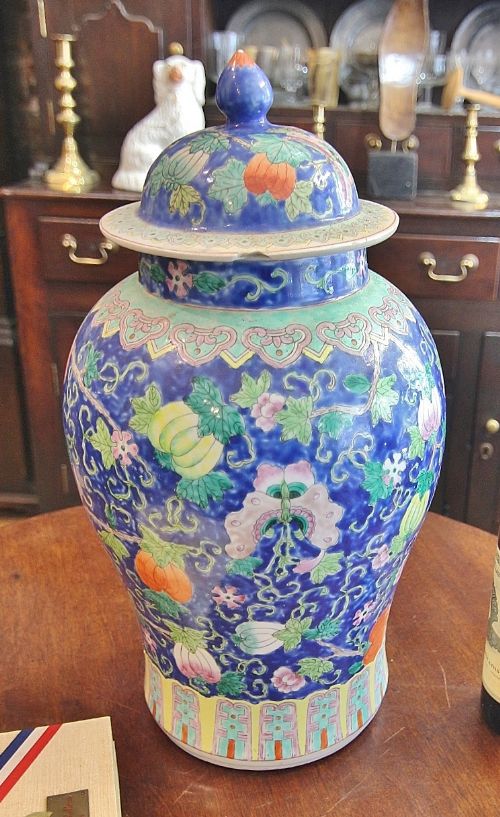


Vintage Oriental Enamel Vase
A vintage oriental enamel vase brings rich colour and meticulous metalwork into a room, spanning nineteenth-century traditions and early twentieth-century decorative arts.
Vintage Oriental Enamel Vase
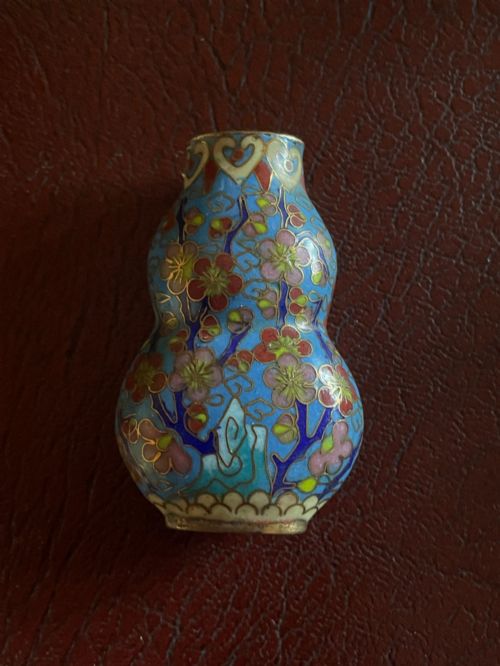
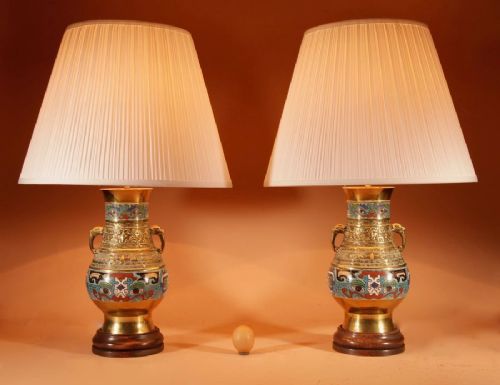
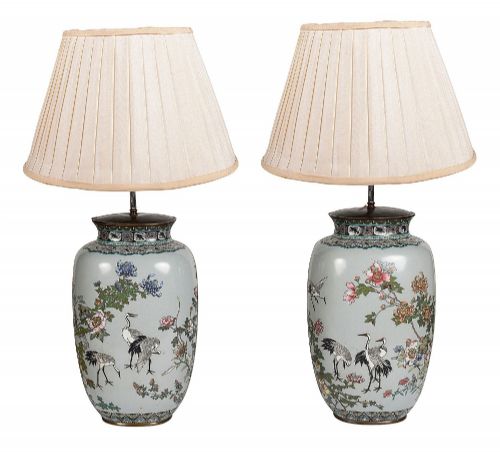
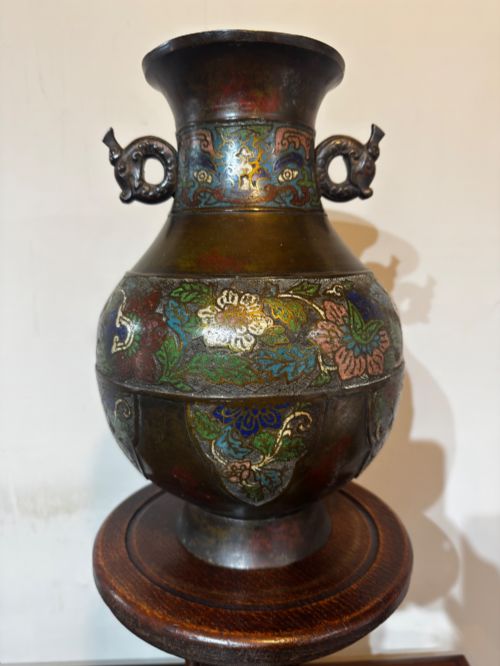
When you search for a vintage oriental enamel vase, you encounter vessels originating from Chinese and Japanese workshops, often spanning the nineteenth century through to the middle of the twentieth century. These objects include ginger jars with lids, miniature vessels, and larger display pieces, alongside examples that have been adapted as table lamps. Japanese Meiji period examples and Chinese pieces from the Qing dynasty and Republican period dominate the selection.
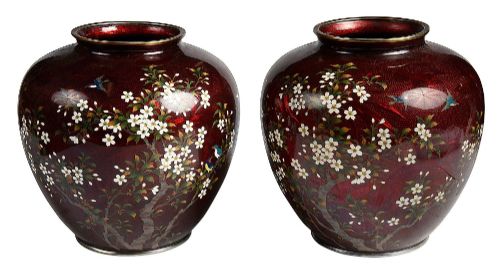
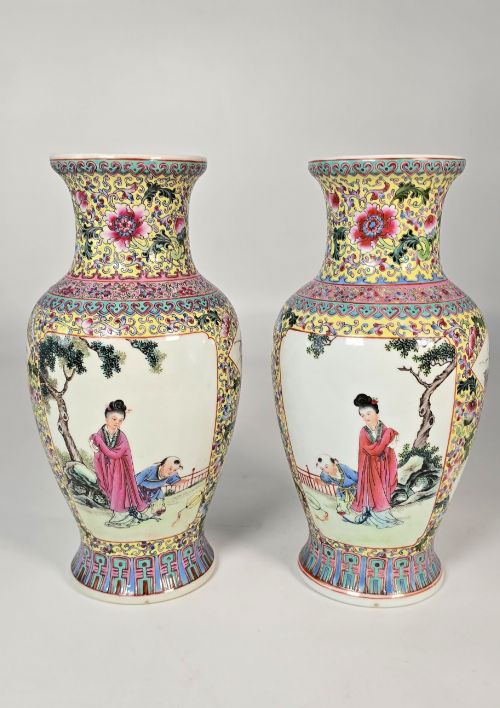
The forms range from diminutive cabinet pieces to large, commanding floor and table jars. Many listings feature pairs, which proves particularly common in decorative cloisonné and champlevé productions. Materials extend beyond pure enamel to incorporate bronze, brass, porcelain, and gilt metal mounts.
What varies in quality
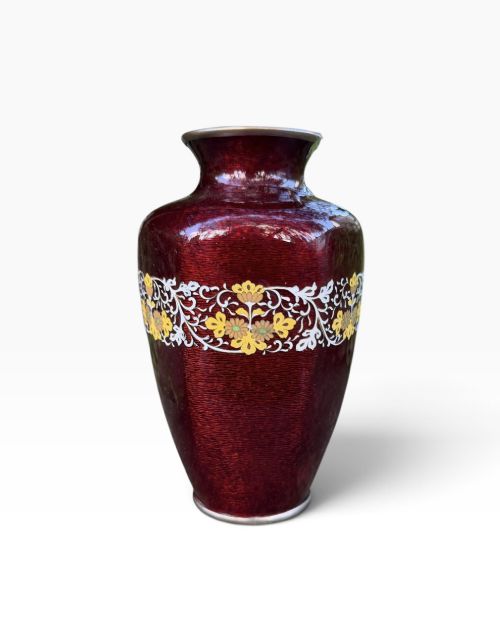
The refinement of the wirework and the density of the enamel fill separate standard production from finer creations. Superior Japanese silver wire cloisonné and Ginbari pieces demonstrate microscopic precision in cell creation and flawless translucency over textured foils.
The weight of the underlying bronze or brass casting and the harmony of the palette dictate the overall success of a piece. Finer examples display meticulous polishing and secure mounting of lids or handles.
Materials documented across the catalogue include bronze, brass, copper, porcelain, and fabric alongside traditional enamel.
Ando Jubei·Hakusan
The Vintage Oriental Enamel Vase Glossary
- Cloisonné
- An enamel technique where metal wires form raised cells on a vessel body to contain coloured pastes before firing.
- Champlevé
- A method where troughs are gouged into a bronze or brass base and filled with enamel, leaving thick metal walls exposed.
- Ginbari
- A Japanese enamelling technique featuring a textured metal foil background beneath translucent coloured enamel.
- Famille Rose
- A palette of opaque enamels dominated by pink or rose colours, prominent on Chinese porcelain vessels.
- Meiji Period
- The era of Japanese history lasting from 1868 to 1912, known for exceptional metalwork and cloisonné innovation.
Vintage Oriental Enamel Vase: Frequently Asked Questions
What is a vintage oriental enamel vase made from?
These vessels consist primarily of a bronze, brass, or copper body decorated with vitreous enamel. Some variations utilise porcelain or gilt metal mounts.
Surface designs frequently incorporate silver wire to separate the distinct colour fields of the enamel pattern.
Were these vases used as lamps?
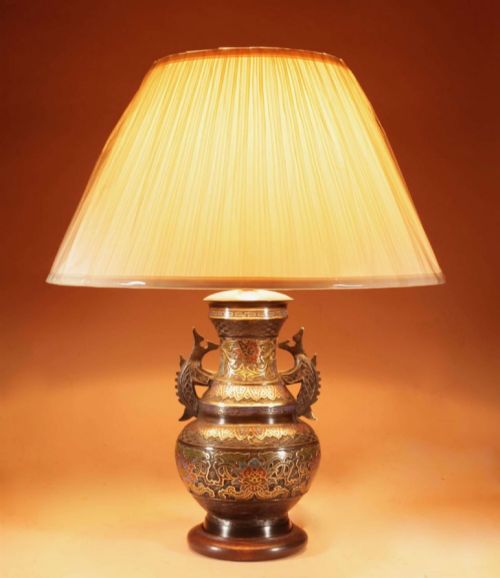
Many examples on the market have been converted into table lamps using metal bases or fitted wiring. This adaptation occurred across the late nineteenth and early twentieth centuries.
Such conversions allow these decorative objects to function as domestic lighting while retaining their original enamel bodies.
How do I date a Japanese cloisonne piece?
Pieces originating from the Meiji period typically display fine wirework and complex floral motifs. Later twentieth-century examples often shift in weight and enamel texture.
Maker marks, such as those associated with Ando, provide specific chronological reference points for Japanese works.
What is the difference between cloisonne and champleve?
Cloisonné uses applied flat wires soldered to the surface to create individual enamel compartments. This produces a smooth, linear grid pattern across the object.
Champlevé involves carving or casting depressions directly into a heavy bronze or brass base to hold the enamel, resulting in thicker raised metal outlines.