





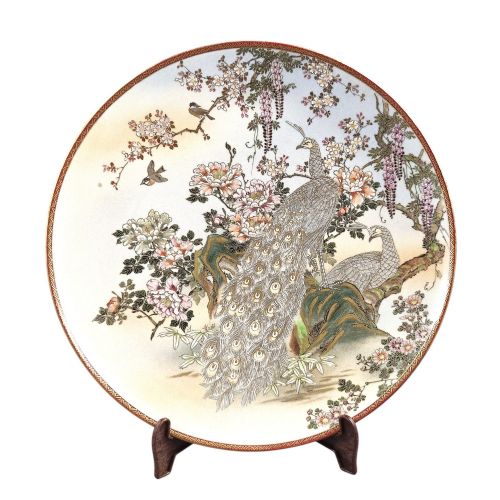
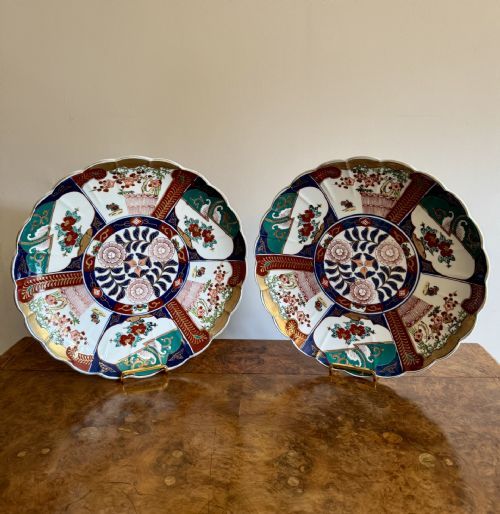
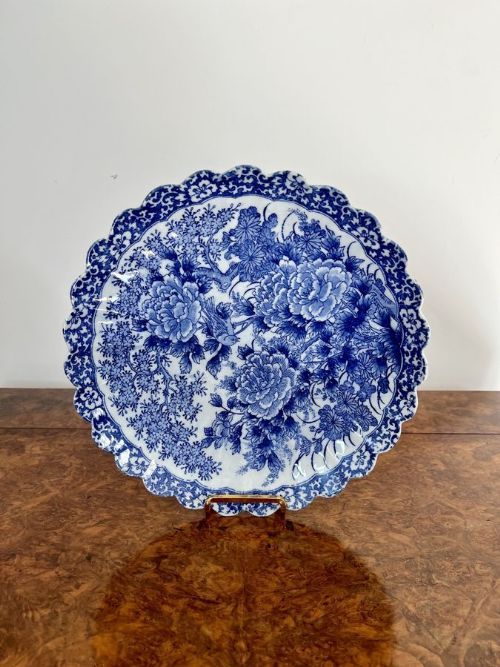
Oriental Decorative Platter
These oriental decorative platters bring striking colour and intricate hand-painted detail to any room, offering a focal point for collectors of fine Asian ceramics and metalwork.

Oriental Decorative Platter
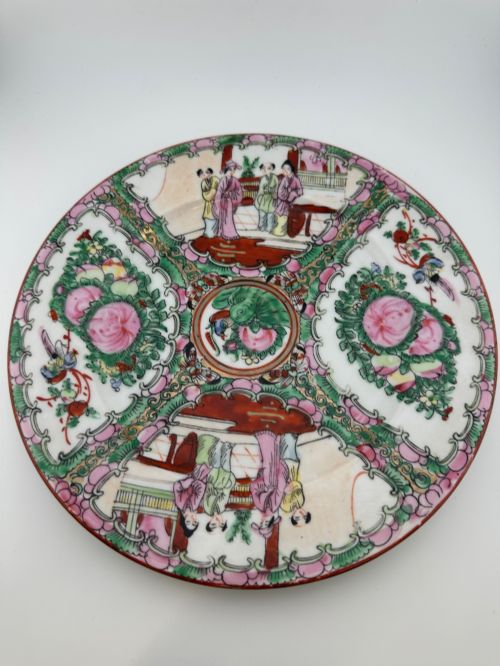
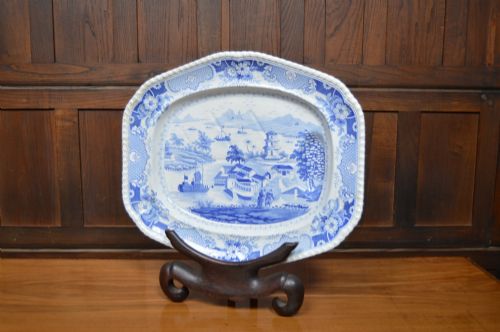
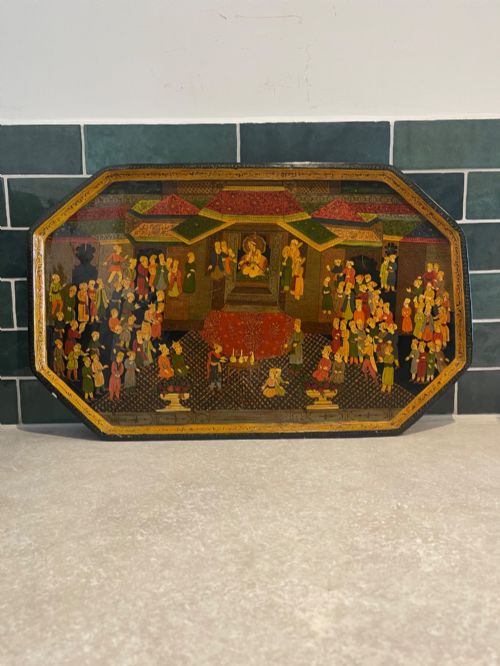
An oriental decorative platter encompasses a wide variety of large ceramic plates, chargers, and metal trays originating primarily from Japan and China. When exploring this selection, buyers encounter prominent examples from the Meiji period alongside Victorian-era imports and earlier Qing dynasty vessels.
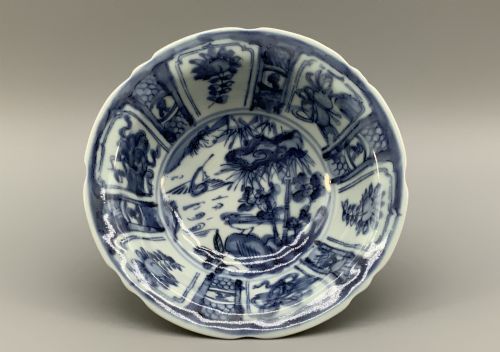
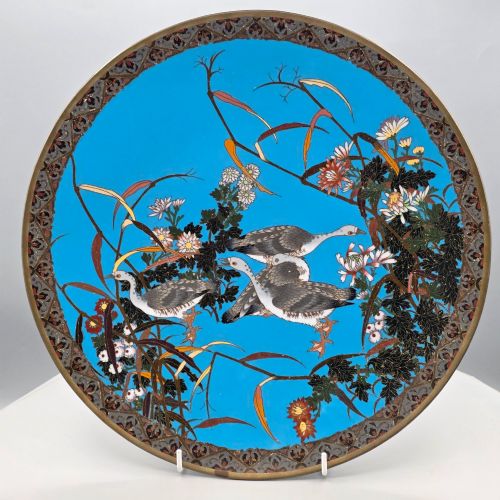
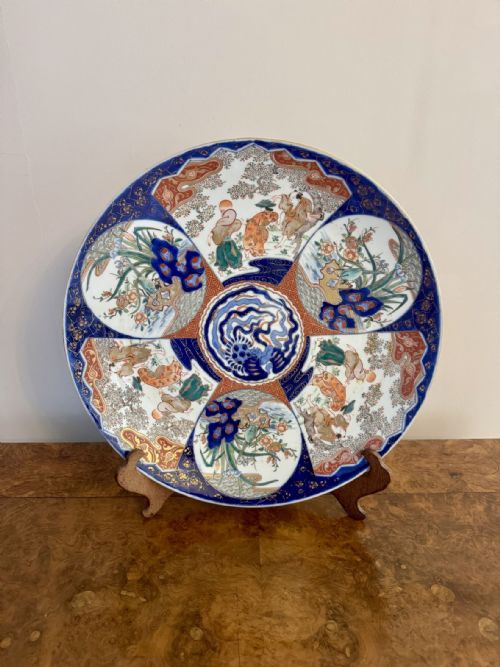
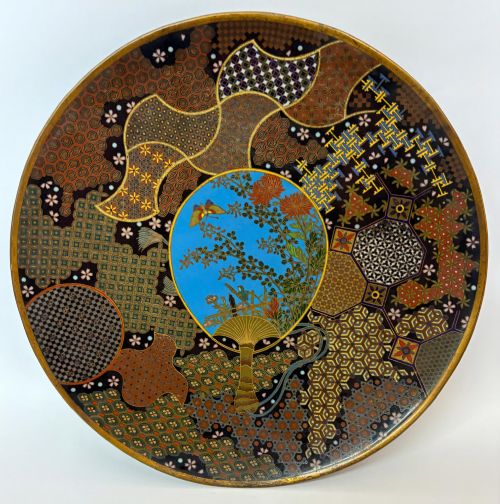
The forms range from wide circular chargers and scalloped plates to square trays and lobed bowls designed for visual impact. Japanese Imari wares and cloisonné enamel pieces dominate the available inventory, bringing distinct narrative scenes and botanical motifs into domestic display.
Materials and Construction Techniques
The fabrication of these pieces combines skilled ceramic throwing with detailed hand-painting in cobalt blue, iron red, and gold leaf. Porcelain bodies are fired at high temperatures to achieve durable vitrified surfaces ready for intricate enamel decoration.
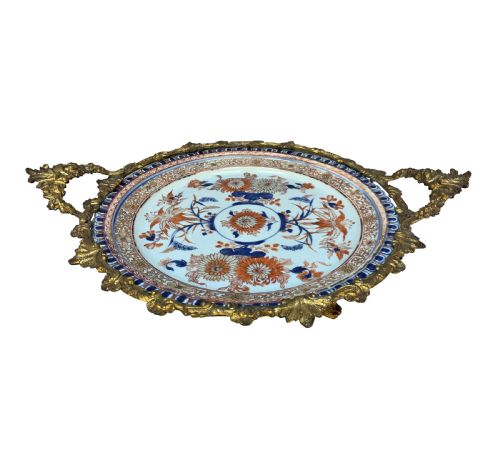
Metal vessels utilise brass and copper foundations decorated with cloisonné enamel, where thin wire compartments are filled with coloured glass pastes and fired multiple times. Ormolu mounts occasionally frame ceramic plates, adding cast bronze or brass borders to enhance the presentation.
Listings feature porcelain, enamel, and copper items spanning from the Victorian era back to the Qing dynasty.
Assessing Quality and Execution
The distinction between standard production and masterwork execution lies in the density and precision of the hand-painted or cloisonné details. Superior examples display tightly controlled wirework, flawless enamel fills, and exceptionally nuanced brushwork depicting fauna, deities, or landscapes.
The complexity of the surface design and the harmony of the palette separate ordinary decorative items from pieces exhibiting high artistic ambition. Symmetry in lobed edges, depth of glaze colour, and the crispness of underglaze blue painting indicate superior workshop standards.
The Oriental Decorative Platter Glossary
- Charger
- A large decorative plate traditionally used for display rather than dining. These substantial dishes measure significantly more than standard dinner plates.
- Cloisonne
- A metalworking technique using soldered flat wires to create cellular compartments filled with enamel paste. These wired fields are fired and polished smooth.
- Imari
- A style of Japanese porcelain featuring deep underglaze blue combined with iron red, white, and gilt highlights. The aesthetic originated in Arita and gained immense popularity in Europe.
- Satsuma
- A type of Japanese earthenware characterised by a pale, ivory-coloured cracked glaze decorated with polychrome enamels and raised gold moriage work.
Oriental Decorative Platter: Frequently Asked Questions
How do I identify a Meiji period piece?
Meiji period items, produced between 1868 and 1912, frequently feature exceptionally detailed cloisonné work, Kutani porcelain, or Satsuma earthenware.
Many pieces from this era exhibit themes of nature, mythology, and intricate gilt detailing tailored for the export market.
What is the difference between Imari and Kutani?
Imari wares typically rely on a distinct palette of cobalt blue and iron red enhanced with gold on porcelain, often featuring geometric and floral patterns.
Kutani porcelain leans towards bolder pictorial compositions dominated by rich greens, purples, and dense gold leaf applications.
How should I display a heavy ceramic charger?
Due to their substantial weight and large dimensions, chargers require secure wall-mounting brackets designed specifically for heavy porcelain.
Alternatively, sturdy display stands placed on deep cabinets or sideboards provide stable support without stressing the rim.