







Vintage Japanese Ceramic Charger
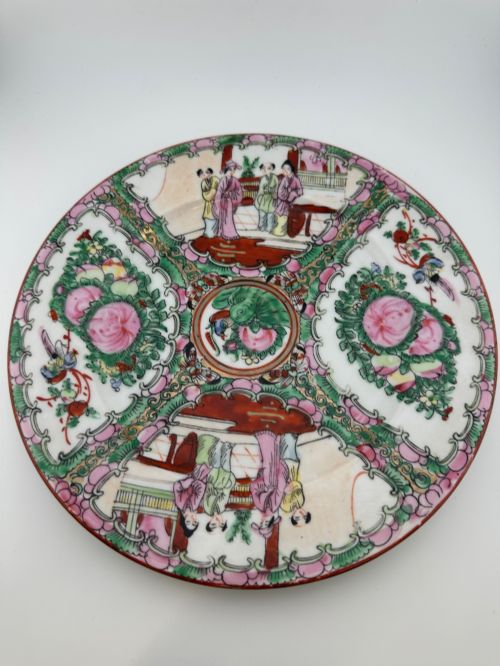
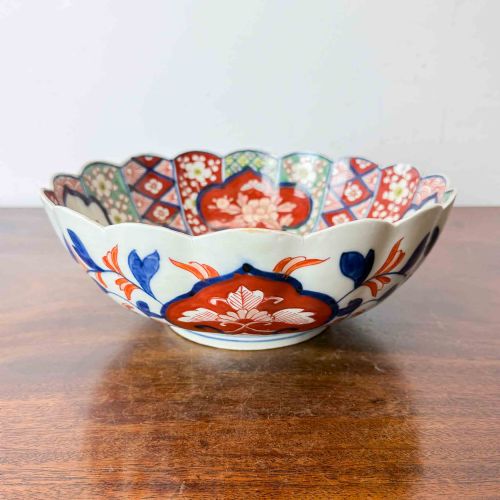
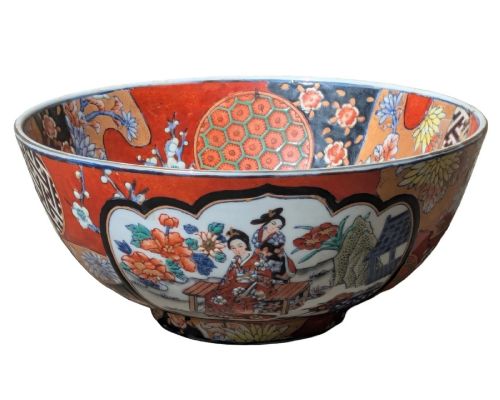
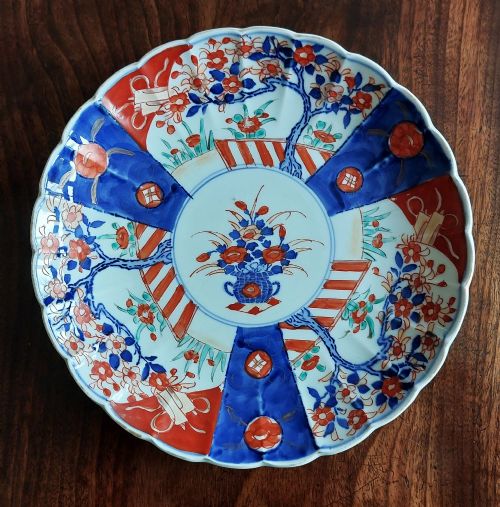
These vintage japanese ceramic charger examples bring decorative impact through traditional painted scenes and rich colour palettes.

Vintage Japanese Ceramic Charger
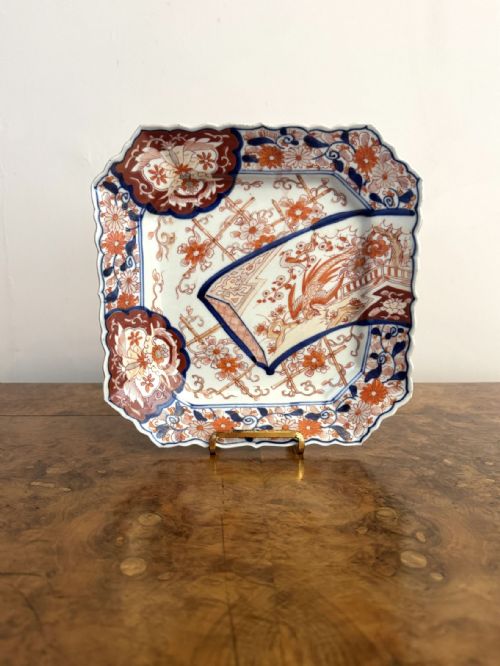
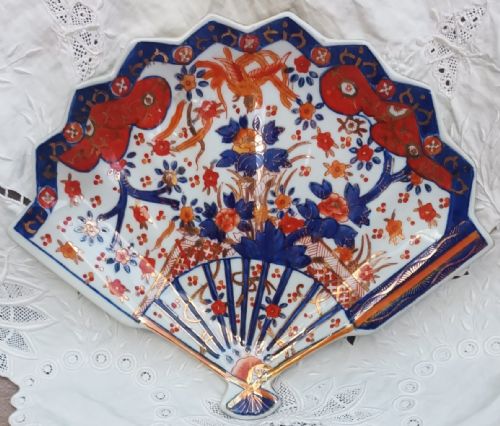
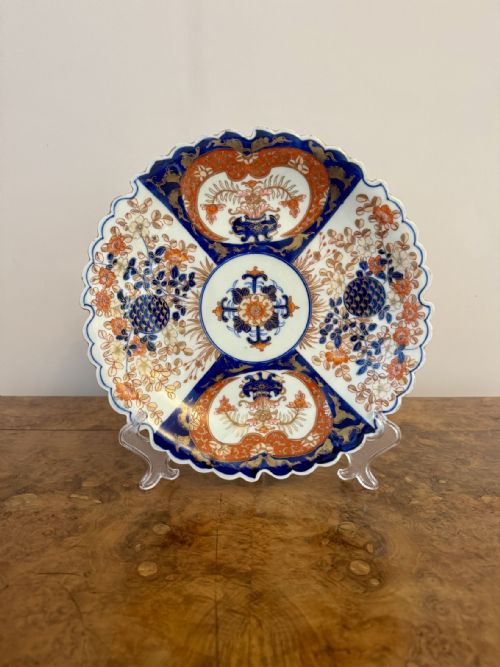
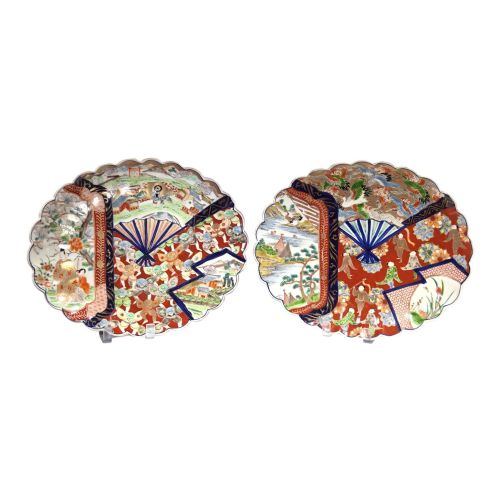
A vintage japanese ceramic charger is a wide, shallow display plate meant for visual effect rather than dining. When you search for a vintage japanese ceramic charger, you encounter large platters intended for table display or wall hanging.
The selections on this page span the Edo, Meiji, and Taisho periods up to the early twentieth century. Most pieces you meet here date from the late nineteenth and early twentieth centuries, particularly the Meiji period.
Forms vary from round scalloped edges to square plates and deep bowls. Many pieces originate from traditional ceramic centres such as Arita, carrying the distinct aesthetic of Imari and Kutani wares.
Materials and methods
Potters utilised hard-paste porcelain and ceramic bodies shaped by hand or wheel. Artisans applied cobalt underglaze pigments to the raw clay before the initial firing to create deep blue motifs.
Overglaze enamel colours, gold leaf, and gilt detailing were added in subsequent firings to build rich surface patterns. Hand painting forms the core of every design, from floral peony motifs to figurative scenes depicting figures like the Seven Lucky Gods.
Listings feature porcelain and ceramic bodies decorated with cobalt underglaze, enamel, gold leaf, and gilt across the nineteenth and early twentieth centuries.
Judging visual and physical quality
Quality rests in the precision of the hand painting and the depth of the palette. Pieces decorated with dense cobalt underglaze combined with crisp enamel and gold leaf display higher technical accomplishment.
Subtlety of form also separates standard production from superior examples. Unusual shapes, such as square plates with crisp corners or deeply scalloped edges, demand greater skill from the potter and painter.
Koshida
The Vintage Japanese Ceramic Charger Glossary
- Charger
- A large decorative plate or platter typically measuring over thirty centimetres across. These items served primarily for display on sideboards or walls.
- Imari
- A style of Japanese porcelain featuring a distinct palette of cobalt blue, iron red, and gilt highlights. The style originated in Arita and gained immense popularity for export during the Edo and Meiji periods.
- Kutani
- A style of Japanese coloured porcelain known for bold pictorial designs and heavy use of gold leaf. Kutani wares often depict landscapes, birds, and flowers.
- Cobalt Underglaze
- A blue pigment applied directly to the ceramic body beneath the clear glaze. This technique protects the pigment from wear during daily handling and firing.
- Meiji Period
- The era in Japanese history spanning from 1868 to 1912. Pieces from this time often exhibit intricate hand-painted detail intended for Western export markets.
Vintage Japanese Ceramic Charger: Frequently Asked Questions
How were these large plates displayed originally?
Historic interiors utilised these wide dishes as centrepieces on large tables or mounted them directly onto walls for decorative impact. Their heavy proportions and vibrant pigments made them natural focal points in reception rooms.
Today, modern homes continue to place them on sturdy stands or display rails. Their generous diameters allow the hand-painted motifs to remain fully visible from across a room.
What is the difference between Imari and Kutani?
Imari wares rely on a tripartite colour scheme of cobalt blue, iron red, and gold, often arranged in geometric and floral panels. The porcelain body remains crisp beneath rich glaze layers.
Kutani pieces lean towards pictorial storytelling with heavier applications of gold leaf and vibrant enamel palettes. These designs frequently incorporate natural subjects like peonies and cranes.
How do I date an antique Japanese charger?
Dating relies on stylistic shifts, painting execution, and ceramic bodies. Pieces from the Edo period show earlier potting techniques, while Meiji and Taisho items display the export-driven precision of the late nineteenth and early twentieth centuries.
Examination of the foot ring and glaze pooling also aids identification. Older items often display unglazed foot rims that reveal the fired clay body beneath.
Can I use these chargers for serving food?
Historical export chargers served primarily as decorative items rather than tableware. The delicate overglaze enamels and gold leaf are susceptible to wear from cutlery and frequent washing.
Preserving the surface condition requires keeping these items strictly for display. Gentle dusting with a dry cloth is sufficient for routine maintenance.