





Large Imari Display Dish
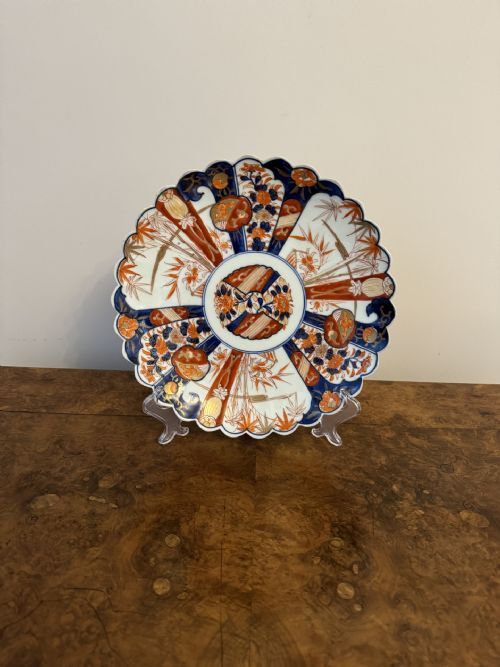
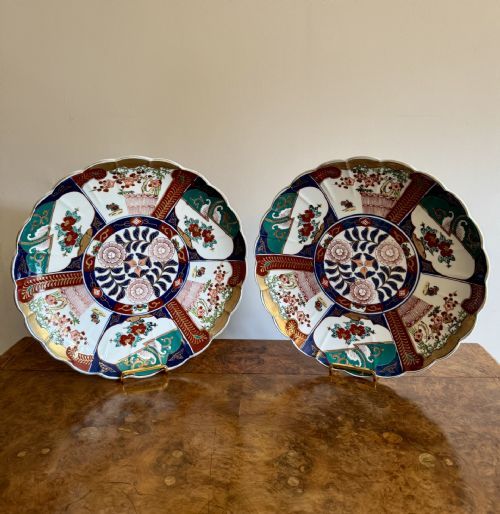
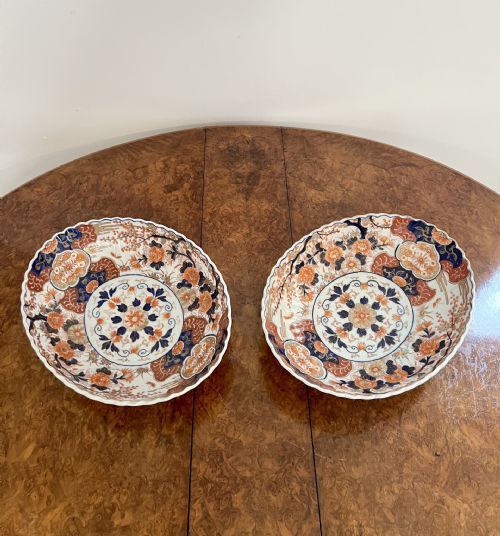
A large imari display dish brings together heavy porcelain, deep cobalt pigment, and overglaze enamel for a dramatic interior statement.

Large Imari Display Dish
A large imari display dish is a broad ceramic platter or charger intended for wall mounting or tabletop presentation rather than dining service. These substantial objects arrive in various forms, including deep bowls, square plates, and wide circular chargers.
The pieces seen here span periods from the seventeenth century through the Victorian and Edwardian eras, alongside Japanese Meiji and Edo periods. The most frequent examples date from the late nineteenth century and the early decades of the twentieth century.
Makers working within traditions such as Japanese Arita produced these items for domestic and export markets alike. The resulting objects combine traditional ceramic forms with decorative layouts suited to grand display.
How they were made
Production relies on porcelain body materials shaped into plates, bowls, and wide chargers. Kiln firing sets the initial form before application of underglaze cobalt pigment.
Overglaze enamel and gold leaf or gilt details are added in subsequent stages to create the characteristic palette. Gilding and enamel work sit above the glaze layer, catching the light across scrolling foliate borders and figurative scenes.
Common motifs recorded across the inventory include scrolling foliate borders, geometric panels, koi carp, and figures representing the Seven Lucky Gods.
What varies in quality
Differentiation lies in the control of the brushwork and the precision of the hand-painted motifs, such as koi carp, floral panels, or depictions of the Seven Lucky Gods. The crispness of the underglaze blue beneath the enamel layers dictates the visual strength of each design.
The richness of the overglaze enamels and the restraint or abundance of gold leaf application distinguish standard output from more ambitious workshop pieces. Scalloped edges and complex square plate geometries also indicate higher ambition in the forming stage.
The Large Imari Display Dish Glossary
- Charger
- A large decorative plate traditionally used for ceremonial display or placed beneath smaller courses. These items measure well beyond standard dining diameters.
- Imari
- A style of Japanese porcelain originating from the port of Arita, characterised by a palette of underglaze blue, iron red, and gold. Designs often incorporate panels of flowers, landscapes, and brocade motifs.
- Overglaze enamel
- Pigments applied to a previously fired and glazed ceramic surface, requiring a lower-temperature second firing to bond the colours. This technique allows for bright reds, greens, and yellows.
- Cobalt pigment
- A mineral oxide used beneath the glaze to produce a deep blue colour during high-temperature firing. It forms the stable foundation of most traditional imari schemes.
- Gilt
- A thin layer of gold or gold-coloured material applied to the surface of the porcelain. It highlights specific design elements within the enamel work.
Large Imari Display Dish: Frequently Asked Questions
How were large imari display dishes used historically?
These large vessels were primarily manufactured for decorative display on walls, cabinets, or sideboards within European and Japanese interiors. Their substantial size and bright palettes made them focal points in formal reception rooms.
While ceramic in nature, their expansive surfaces and delicate overglaze enamels meant they served visual and collectible roles rather than daily utilitarian functions.
How do I identify a Meiji period imari dish?
Meiji period imari pieces often display dense, confident brushwork featuring motifs like the Seven Lucky Gods, koi carp, and complex scrolling borders. The porcelain body is typically heavy and bright white.
Many examples from this era combine underglaze cobalt with rich iron red and abundant gilding, reflecting the output of late nineteenth-century export kilns.
How should I clean and care for antique imari porcelain?
Dusting with a dry, soft, lint-free cloth is sufficient for routine maintenance of display pieces. Moisture and chemical cleaners can damage delicate overglaze enamels and gilt highlights.
Placing items away from direct sunlight protects the iron red and gold pigments from fading over time. Stability of the display surface remains the primary safeguard against accidental impact.