



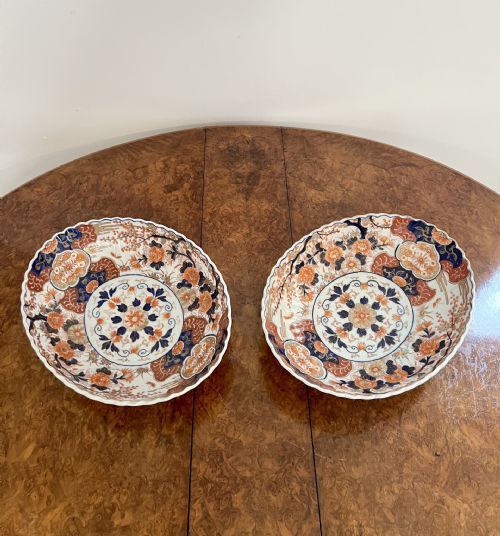


Oriental Charger Bowl
An oriental charger bowl brings vibrant palette work and generous scale to a room, offering both decorative presence and historic craft.
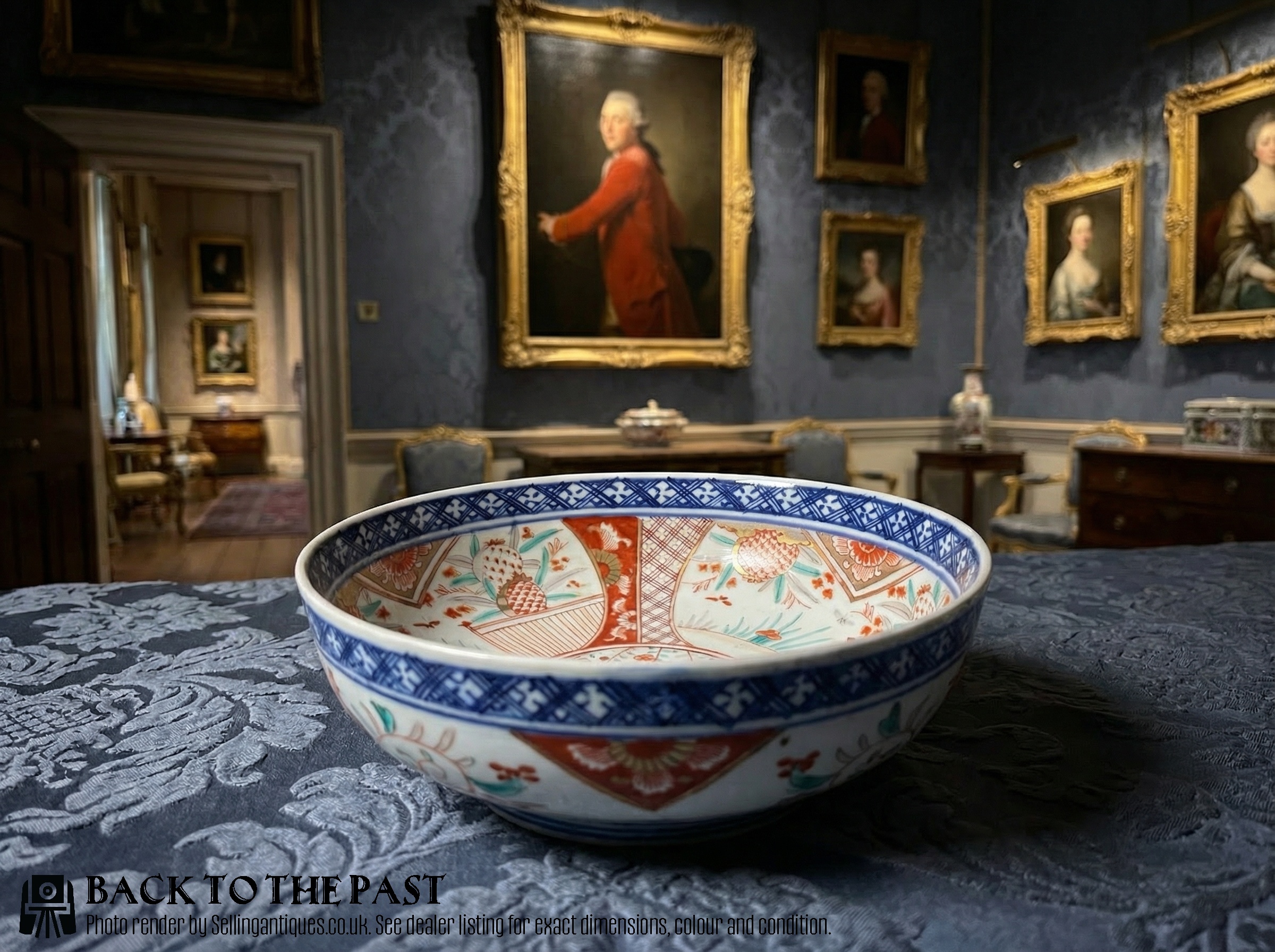
Oriental Charger Bowl
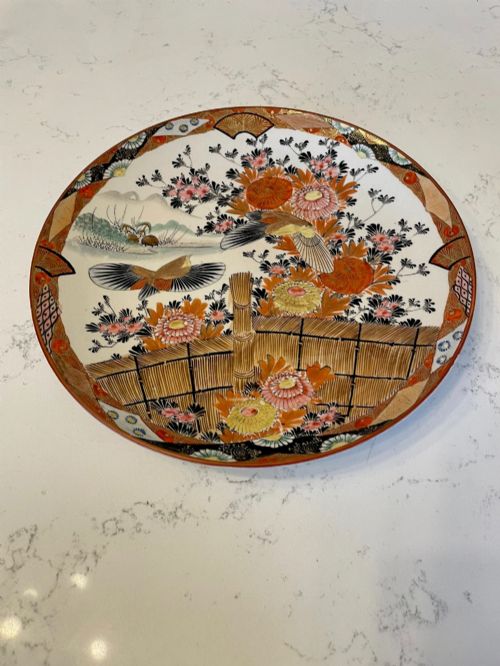
When you search for an oriental charger bowl, you encounter wide display dishes and deep vessels originating from centuries of Asian ceramic tradition. The pieces available span diverse eras, crossing from early Ming and Qing dynasties to the Meiji and Showa periods in Japan.
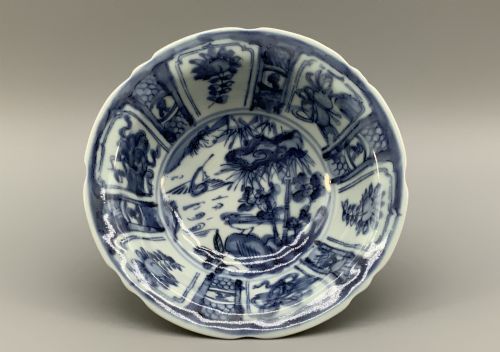
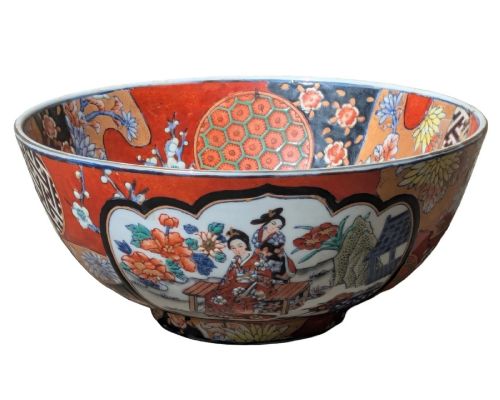
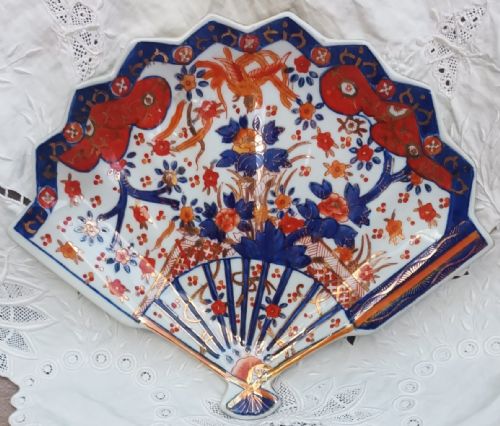
Japanese Imari porcelain forms the most frequent discovery on this page, often featuring scalloped edges and intricate cobalt blue and iron red decoration. Alongside these, Chinese blue and white porcelain and celadon dishes appear from periods such as the Kangxi and Southern Song.
Forms range from shallow decorative plates to large cloisonne enamel chargers and lobed bowls. These objects served primarily for display or formal presentation rather than everyday dining, a purpose reflected in their generous diameters and careful painted detail.
Materials and Technique
Potters shaped these objects from ceramic and porcelain bodies, applying cobalt underglaze pigments before firing at high temperatures. Many examples incorporate rich enamel colours and gold leaf accents added over the glaze.
Cloisonne pieces utilise copper foundations with soldered wire compartments filled with enamel pastes. Artisans then fired and polished these surfaces to create smooth, decorative pictorial panels across the charger face.
Listings feature porcelain, copper, and enamel materials spanning periods from the 16th century through the Showa era.
Assessing Quality
Quality rests in the precision of the hand-painted brushwork and the clarity of the glaze firing. Superior examples display balanced composition, crisp cobalt definition, and controlled application of enamel and gilding.
The weight of the porcelain body and the crispness of moulded or scalloped edges distinguish finer productions. Earlier pieces often reveal subtle potting irregularities that evidence genuine period manufacture.
The Oriental Charger Bowl Glossary
- Imari
- A style of Japanese porcelain featuring a distinctive palette of cobalt blue, iron red, and gold, named after the port from which the wares were exported. This aesthetic gained immense popularity in European collections during the seventeenth and eighteenth centuries.
- Celadon
- A term for ceramics with a pale green jade-like glaze originating in China. The soft tone results from iron oxides reacting within a reduction atmosphere during the kiln firing.
- Charger
- A large decorative plate or shallow bowl designed for display rather than table service. These pieces anchor a room with their substantial diameter and pictorial surfaces.
- Cloisonne
- A metalwork technique where fine wires form distinct compartments on a copper base, which are subsequently filled with enamel paste and fired. The resulting surface presents intricate designs separated by thin metallic lines.
- Underglaze
- Pigment applied directly to the raw ceramic body before the application of a clear glaze and final kiln firing. This technique protects the painted design from wear across centuries of handling.
Oriental Charger Bowl: Frequently Asked Questions
What is an oriental charger bowl?
An oriental charger bowl is a large decorative dish or deep vessel made in China or Japan, designed for visual impact rather than utilitarian dining. These pieces feature hand-painted glazes, enamels, or metalwork.
They encompass various historical periods, including Ming and Qing dynasties alongside Japanese Edo and Meiji eras. Their substantial diameters make them natural focal points for interior display.
How were these bowls used historically?
Historically, large chargers and decorative bowls served as central display pieces on sideboards or formal dining tables in prosperous households. They demonstrated the owner's taste and the household's access to international trade goods.
Export wares travelled extensively across global markets, prized by collectors who valued their intricate craftsmanship and exotic imagery. Many were kept strictly for ornamental presentation behind glass or on plate stands.
How do I live with a charger bowl?
Living with a charger bowl involves placing it securely on a sturdy sideboard, table, or using a specialised wall-mounting bracket designed for heavy ceramic plates. Positioning the piece away from heavy traffic areas protects the glazed and gilded surfaces from accidental knocks.
Routine maintenance requires only gentle dusting with a soft, dry cloth to preserve the finish. Avoiding harsh cleaning agents ensures the historic enamels and gold leaf remain intact.
How can I tell different periods apart?
Differentiating periods relies on observing stylistic conventions, glaze characteristics, and potting techniques specific to particular eras. For instance, Kangxi period blue and white displays luminous cobalt tones, while Meiji period Imari often combines dense iron red with elaborate gilding.
Examining the foot ring and unglazed clay body provides further clues regarding age and origin. Comparing pieces against documented examples helps confirm whether a charger belongs to the seventeenth, eighteenth, or nineteenth century.