







Japanese Imari Floral Bowl
A Japanese imari floral bowl brings rich palette and tradition to a room, combining blue and red with intricate botanical motifs.
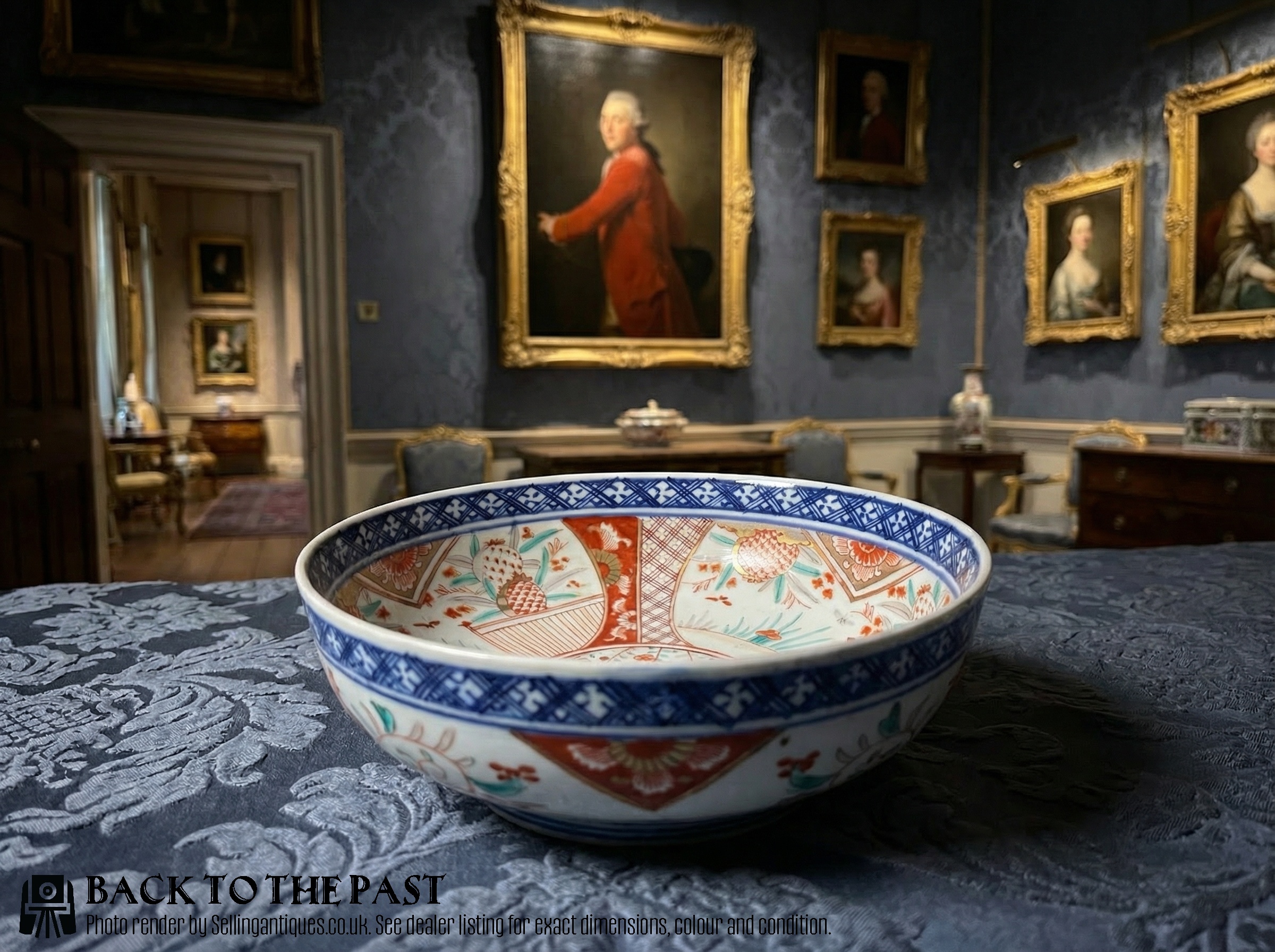
Japanese Imari Floral Bowl
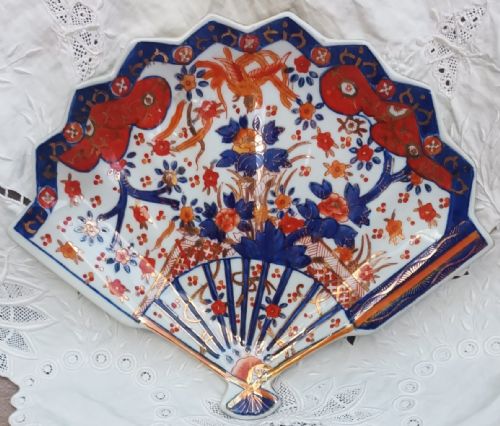
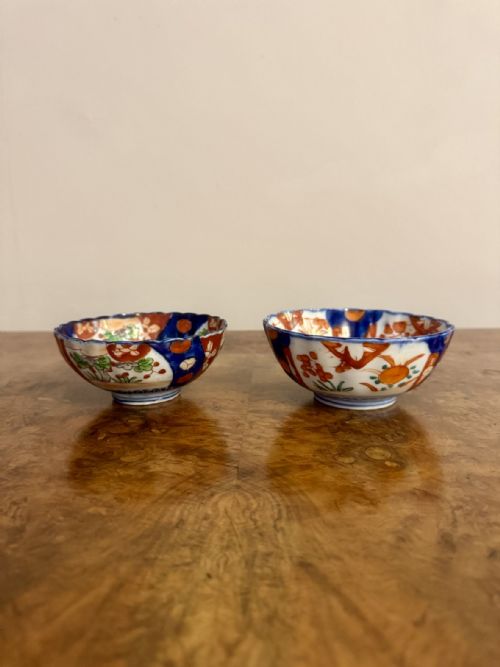
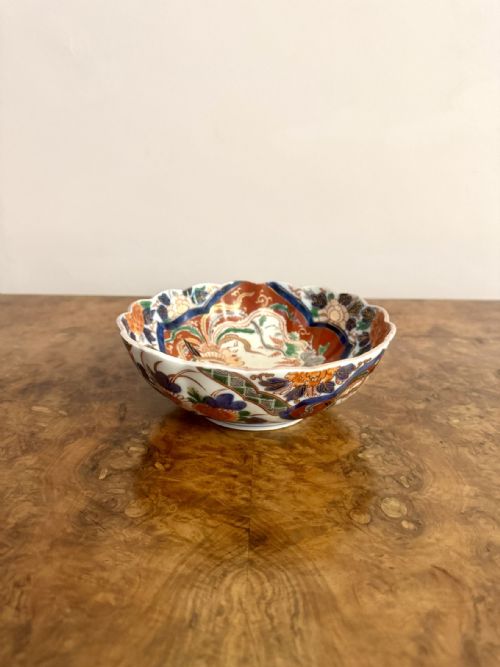
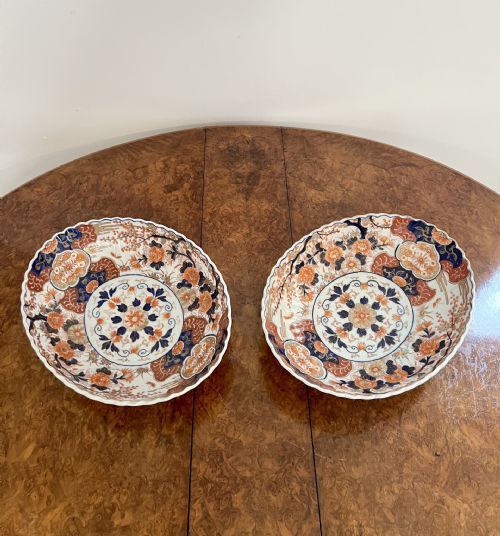
A japanese imari floral bowl displays the distinctive palette and decorative traditions of ceramics originating in Japan, spanning the Edo period through the Meiji period and into the early twentieth century. These vessels typically take the form of decorative bowls, scalloped edge dishes, and plates, often featuring hand painted details.
Most examples encountered on this page date from the nineteenth century and around nineteen hundred, reflecting the sustained popularity of Japanese export wares. Forms range from standard circular bowls to hexagonal shapes, tripod vessels, and large jardinieres.
Buyers look for these pieces to add historical depth and colour to an interior, whether selecting a single centrepiece or a pair of decorative display dishes.
What varies in quality
The precision of the hand painting and the complexity of the floral and panel designs separate standard production from exceptional pieces. Brushwork control and the crispness of the cobalt blue glaze under the enamel dictate visual impact.
The application and preservation of gold leaf or gilding also influence the overall standard, alongside unusual forms such as hexagonal profiles or tripod bases.
Listings span from seventeen hundred through the Meiji period to nineteen ten, utilising porcelain, enamel, glaze, and gold leaf.
The Japanese Imari Floral Bowl Glossary
- Imari
- A style of Japanese porcelain decorated in underglaze cobalt blue and overglaze red, green, and gold. This decorative approach originated in the town of Arita and was exported extensively.
- Meiji Period
- A historical era in Japan lasting from eighteen sixty-eight to nineteen twelve. Pieces from this time often exhibit refined hand painted details on porcelain.
- Edo Period
- The period in Japanese history spanning from sixteen hundred and three to eighteen sixty-seven. Early bowls from this time represent the roots of the tradition.
- Jardiniere
- A large ornamental pot or bowl designed to hold plants or flowers. These substantial vessels provide a focal point in a room.
Japanese Imari Floral Bowl: Frequently Asked Questions
How do I date a japanese imari floral bowl?
Dating relies on stylistic markers, potting techniques, and historical periods such as the Edo and Meiji eras.
Earlier pieces from around seventeen hundred show different baseline characteristics compared to items produced circa nineteen hundred.
Can I use these bowls for food?
Most antique examples serve primarily as decorative display items or centrepieces rather than tableware.
Overglaze enamel and gold leaf decorations are best preserved by keeping the vessels for display.
How do I clean an antique imari bowl?
Dust gently with a soft, dry cloth to protect the delicate enamel and gilding.
Avoid harsh chemical cleaners and submerging the ceramic in water for extended periods.
What is the difference between a bowl and a jardiniere?
Bowls are generally proportioned for table display, serving dishes, or centrepieces.
Jardinieres are much larger vessels historically intended to hold potted plants.