
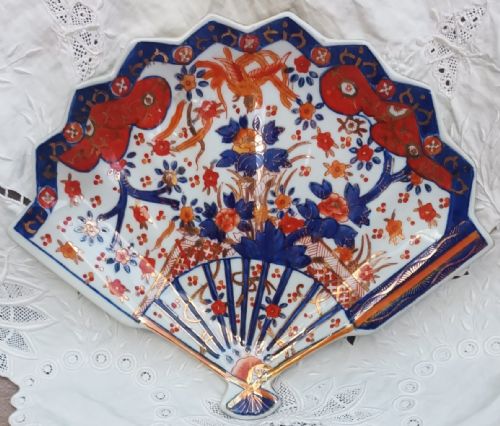
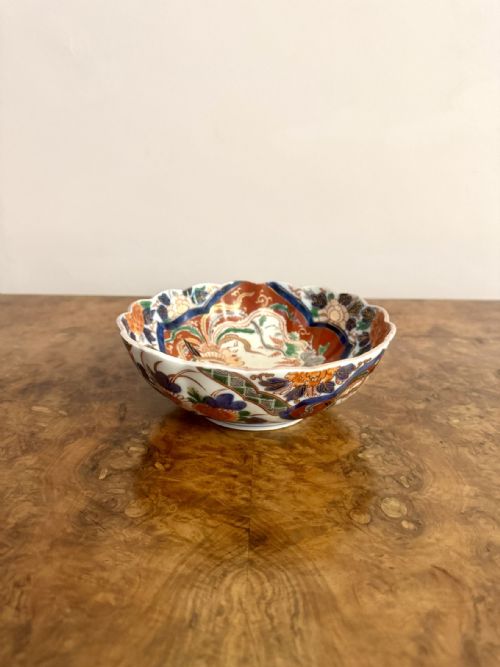
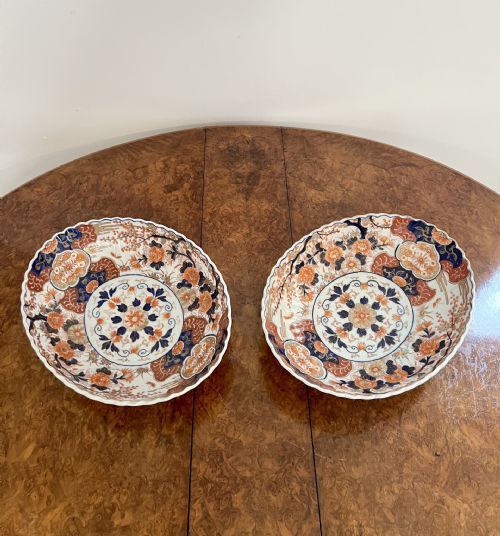


Red Porcelain Serving Bowl
These red porcelain serving bowl examples combine vibrant glaze work with traditional forms, bringing colour and historical craft directly to your table.
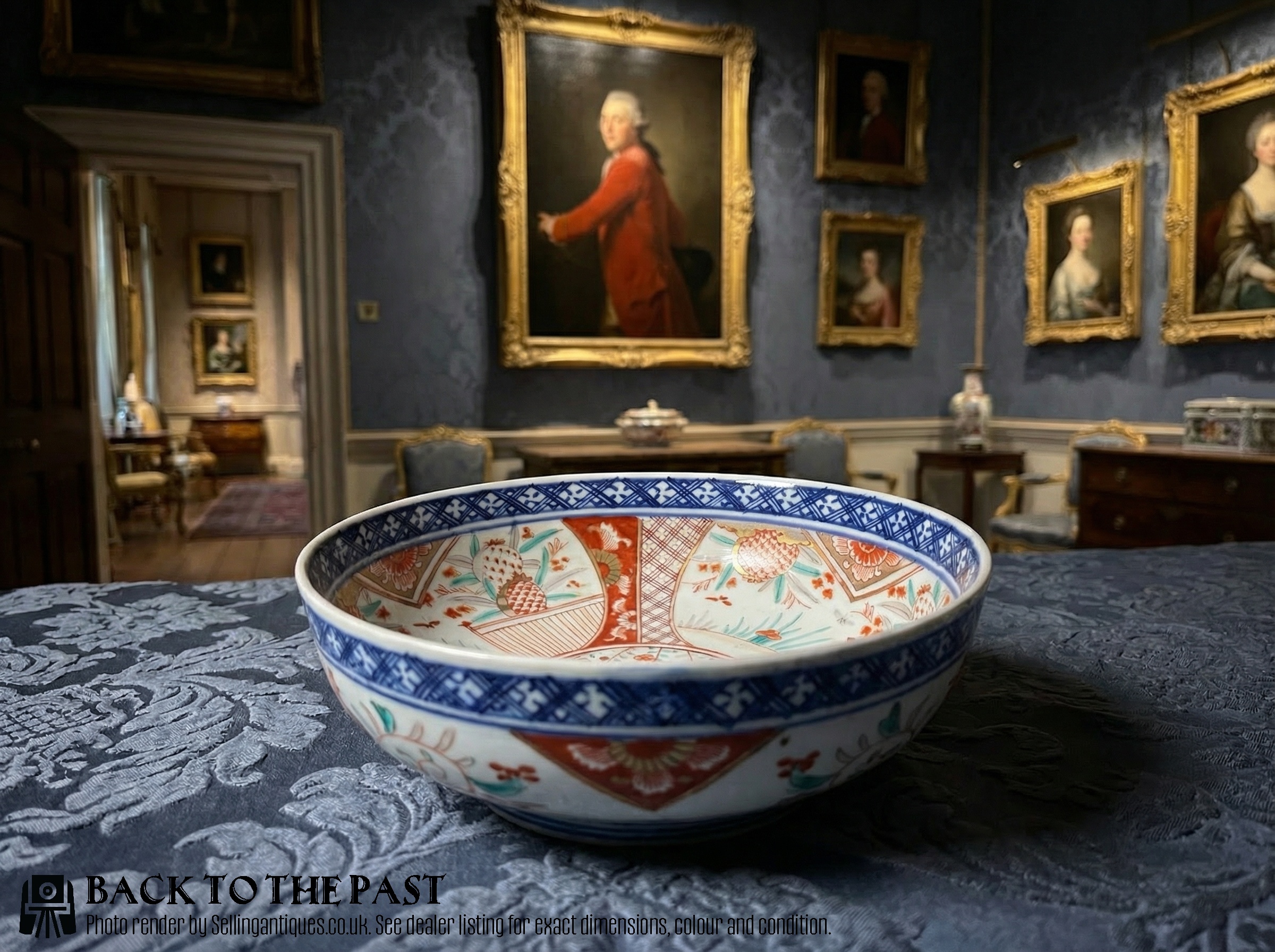
Red Porcelain Serving Bowl
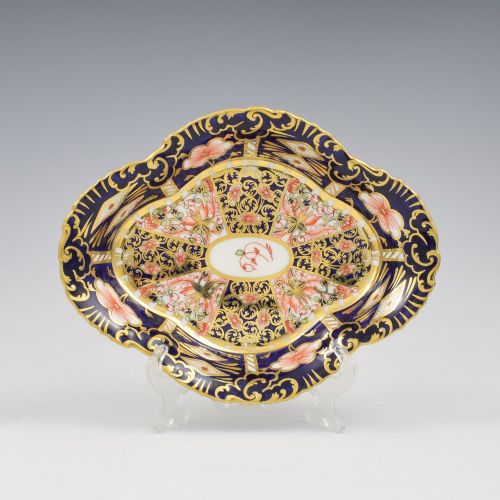
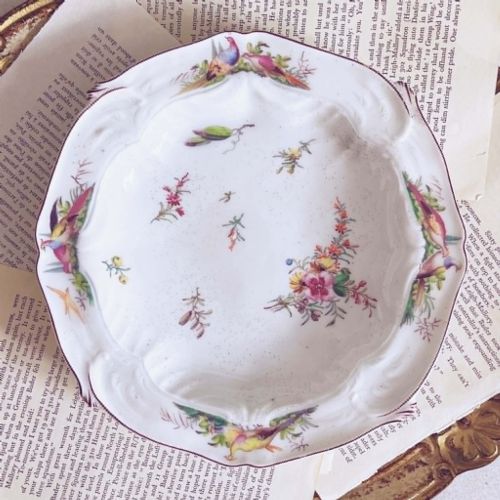
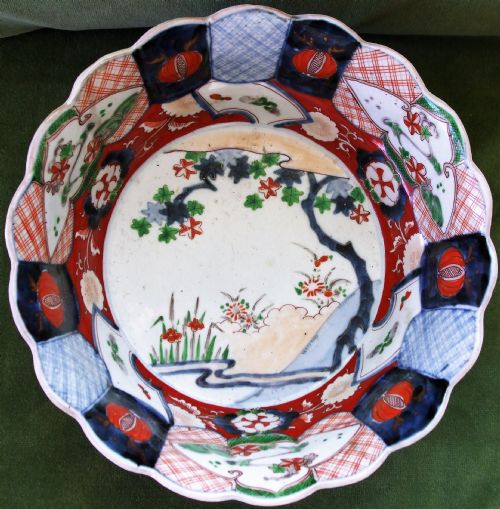
A red porcelain serving bowl brings together distinct firing traditions, ranging from English eighteenth-century production to Japanese Imari and Chinese export wares. Buyers searching for a red porcelain serving bowl will encounter pieces spanning the Georgian era through to the Meiji period, each displaying characteristic palette choices.
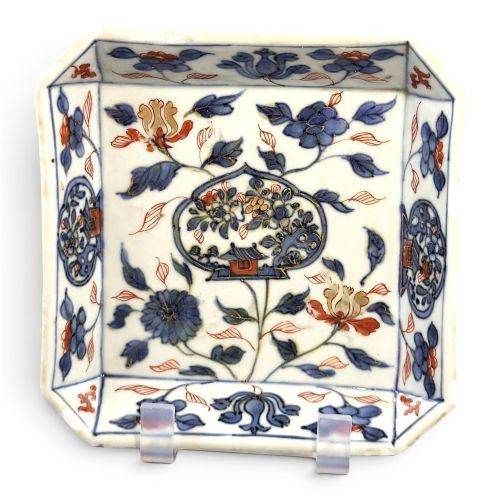
The selections available here lean heavily towards Japanese Imari and related nineteenth-century output alongside earlier eighteenth-century English and Chinese pieces. Forms vary from scalloped edges and boat shapes to chamfered squares, offering versatile display and serving options.
Methods and materials
These items rely upon porcelain bodies, occasionally soft-paste porcelain, finished with enamel decoration and glaze. Gilding and gold leaf frequently accent the surfaces, adding metallic highlights to the polychrome schemes.
Many examples incorporate cobalt blue beneath or alongside the enamel work, creating the rich contrast typical of Imari palettes. Handpainting techniques apply birds and patterned motifs directly onto the fired surfaces.
Listings feature materials such as soft-paste porcelain, enamel, glaze, and gold leaf across periods from 1700 to the 20th century.
Judging quality and execution
Finely executed examples demonstrate superior control in the handpainted polychrome details and the crispness of moulded edges, such as scalloped or boat-shaped profiles. The integration of gilding and enamel layer depth distinguishes finer productions from standard commercial output.
The precision of the cobalt blue underglaze work and the purity of the porcelain body contribute significantly to a piece's visual weight and standing. Finer specimens exhibit harmonious balance between the dominant red iron-oxide tones and secondary accent colours.
The Red Porcelain Serving Bowl Glossary
- Imari
- A style of Japanese porcelain decorated in underglaze blue, iron red, and gold, named after the port from which it was shipped.
- Soft-paste porcelain
- A ceramic material composed of clay and glass frit, fired at lower temperatures than true hard-paste porcelain.
- Enamel
- Opaque or translucent glass fused to the porcelain surface during a secondary, lower-temperature firing.
- Chamfered
- Having a symmetrical sloping edge at the corner or edge of a square or rectangular vessel.
Red Porcelain Serving Bowl: Frequently Asked Questions
How are these bowls used?
These pieces function primarily as decorative vessels, serving bowls, or display dishes within a home setting.
Their striking red and polychrome glazes make them suitable as focal points on sideboards or tables.
What periods do they come from?
The pieces span from the early eighteenth century through the Georgian era and into the late nineteenth and early twentieth centuries.
Japanese Meiji period and eighteenth-century English or Chinese export wares represent the main historical brackets.
How do I care for antique porcelain?
Wash these items by hand using mild soap and lukewarm water, avoiding modern dishwashers entirely.
Keep them away from abrasive sponges to protect the delicate enamel and gilding work on the surface.
What shapes are available?
Form variations include scalloped edges, boat-shaped dishes, and chamfered square bowls.
These diverse silhouettes reflect both Japanese and European manufacturing preferences of their respective periods.