




Gilded Japanese Porcelain Bowl
A gilded japanese porcelain bowl brings dense enamel colour and gold leaf into a room, spanning centuries of kiln traditions.
Gilded Japanese Porcelain Bowl
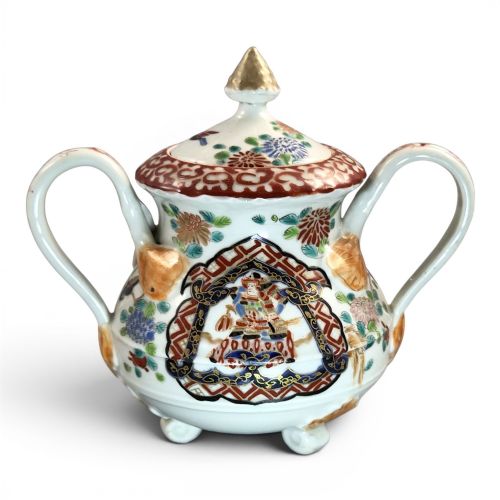
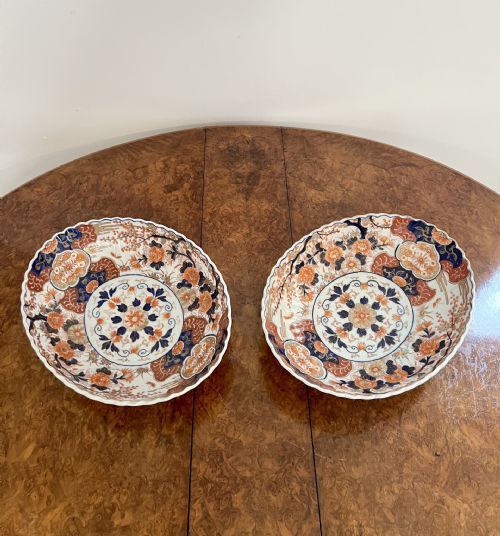
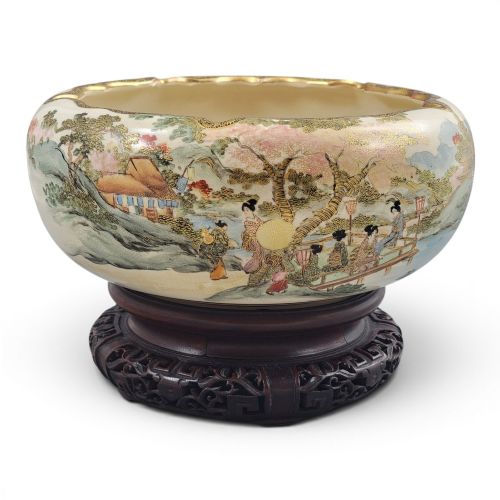
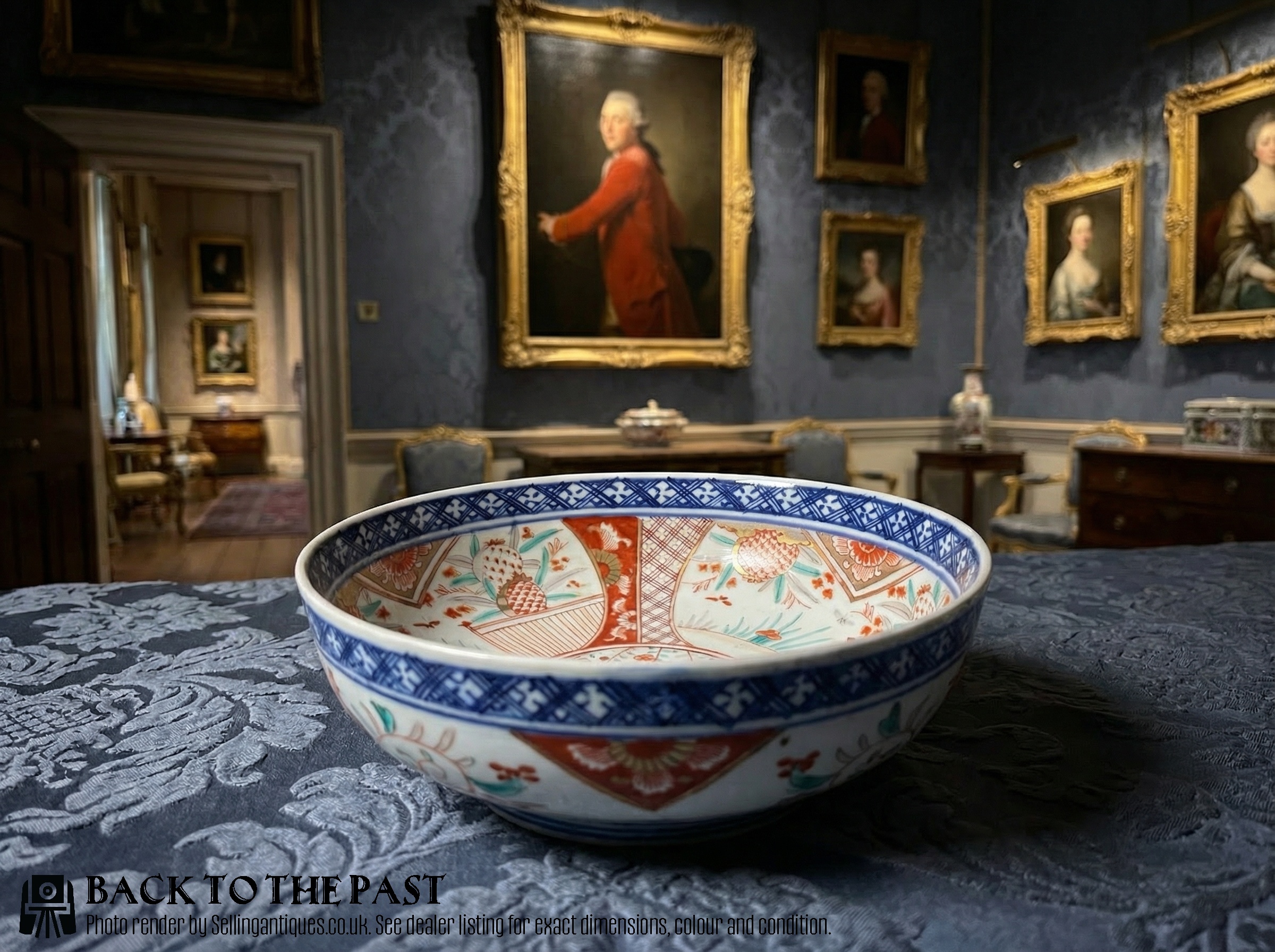
A gilded japanese porcelain bowl sits at the intersection of traditional East Asian potting and ornamental metalwork. When you search for a gilded japanese porcelain bowl, you encounter forms ranging from large decorative vessels to small sugar bowls and dishes.
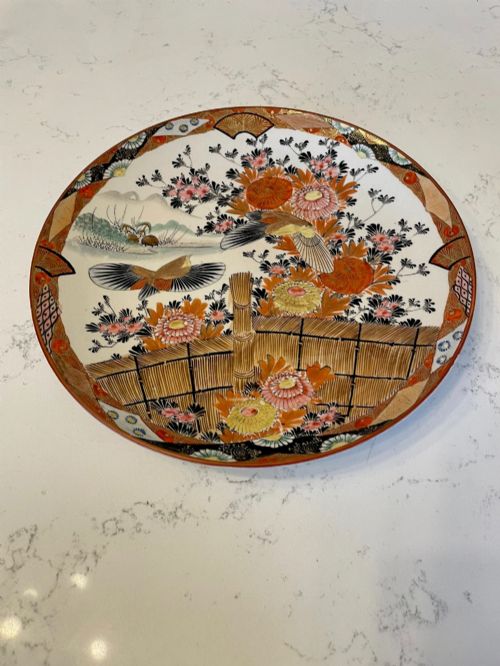
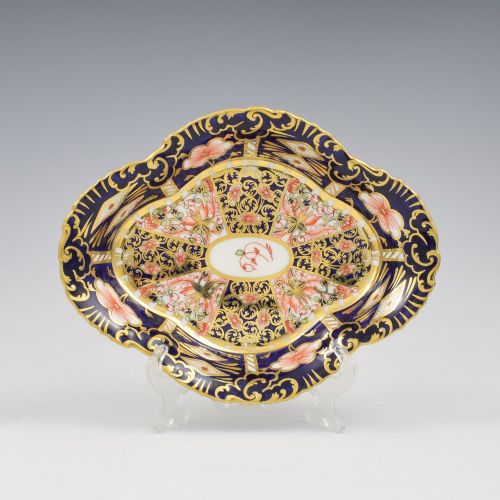
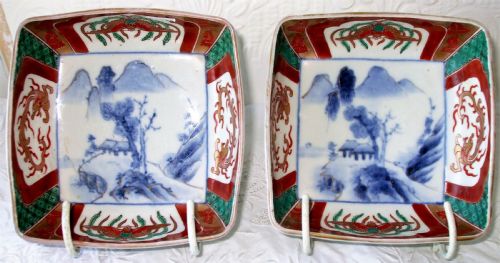
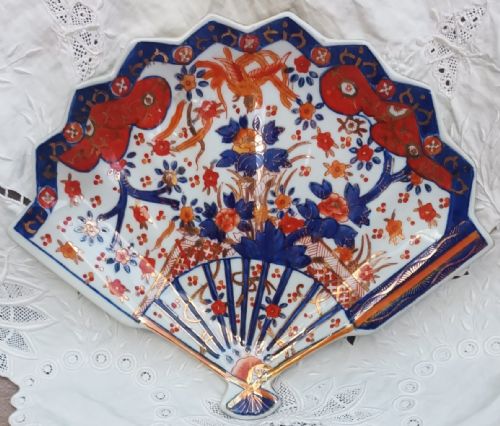
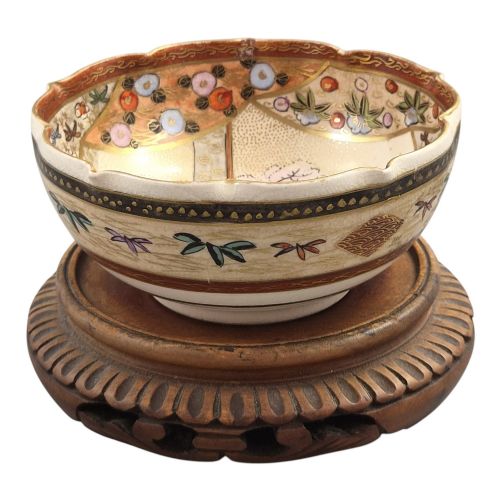
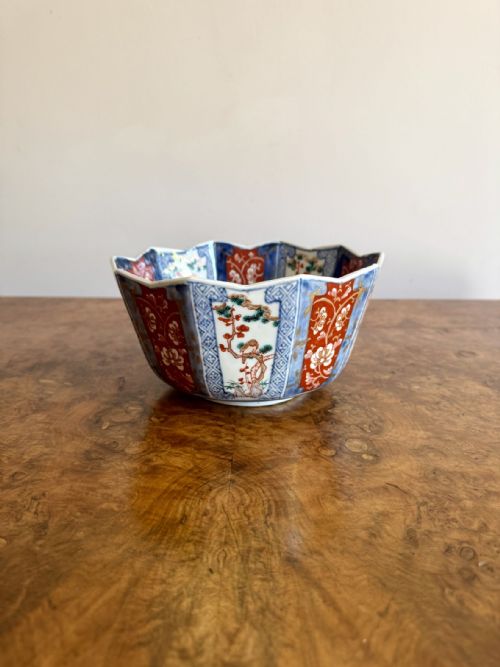
The pieces on this page span the seventeenth century through to the Edwardian era, taking in the Genroku, Edo, and Meiji periods. You meet Imari wares with iron red and blue underglaze alongside Satsuma and Kutani wares carrying heavy enamel and gold leaf.
Many examples arrive with scalloped edges or tripod supports, while others take the form of miniature bowls and saucers. Makers such as Gyokkō, Kozan, Shizan, Ryuzan, Hododa, Kinkozan, and Shozan appear across the nineteenth-century material.
Judging Quality and Execution
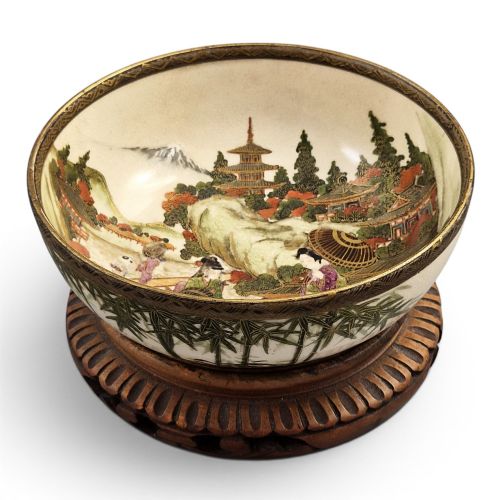
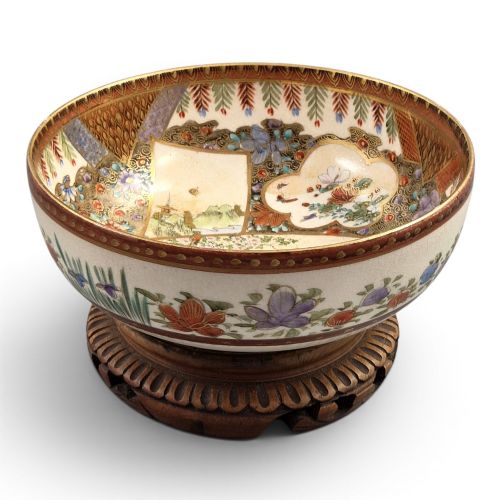
Quality rests in the precision of the hand-painted enamel and the fineness of the gold leaf application. Finer pieces display crisp outlines in the samurai battle scenes or floral motifs without blurring in the glaze.
The reputation of the studio or signed maker elevates certain bowls, particularly those bearing Kyoto marks or workshop signatures like Kinkozan and Fukagawa. The crispness of scalloped edges and the structural balance of tripod bowls further separate standard items from masterworks.
The listings span multiple centuries, uniting seventeenth-century Genroku imari with nineteenth-century Meiji Satsuma and Kutani wares.
Gyokkō·Kozan·Fukagawa·Shizan·Ryuzan·Hododa·Kinkozan·Shozan
The Gilded Japanese Porcelain Bowl Glossary
- Imari
- A style of Japanese porcelain featuring cobalt blue, iron red, and gold, named after the port from which it was shipped. These wares gained massive popularity in European export markets during the Edo period.
- Satsuma
- An earthenware type with a fine ivory crackle glaze, typically heavily decorated with polychrome enamels and gold gilt. Kyoto studios produced many of the finest Satsuma pieces during the Meiji period.
- Kutani
- A style of Japanese ceramics known for vibrant, glossy overglaze enamel painting, often incorporating rich gold backgrounds. The palette frequently leans towards greens, blues, yellows, and purples.
- Mon
- A Japanese emblem or crest used to decorate garments, armour, and ceramics. The Shimazu clan mon frequently appears on Satsuma wares.
- Genroku Period
- An era in Japanese history spanning the late seventeenth century, associated with a flowering of urban culture and refined decorative arts. Surviving porcelain from this time shows early export ambitions.
Gilded Japanese Porcelain Bowl: Frequently Asked Questions
How do I date a gilded Japanese bowl?
Dating relies on stylistic markers, studio signatures, and the type of ceramic body beneath the glaze. Seventeenth-century Genroku pieces differ sharply in palette from the heavily gilded Meiji period Satsuma wares.
Examine the base for kiln marks or artist signatures such as Fukagawa or Kinkozan. The presence of earthenware with a crackle glaze often points towards nineteenth-century Kyoto production.
Where were these bowls made in Japan?
Production centres varied by style, with Arita serving as the primary hub for porcelain Imari wares. Kyoto housed numerous famous studios that specialised in elaborate Satsuma earthenware.
Different regions developed distinct potting traditions, using local clays and specific mineral pigments for their enamels. Yokohama also acted as a major port for finishing and exporting late Meiji decorative pieces.
How should I display a gilded bowl?
Place the vessel on a stable surface away from direct sunlight to protect the fragile gold leaf and enamel colours. Open shelving or a dedicated cabinet allows the intricate interior patterns and rim details to remain visible.
Ensure larger decorative bowls rest on secure stands if they feature tripod feet or scalloped edges. Avoid areas with high humidity or extreme temperature fluctuations that might stress older ceramic bodies.
Can I use these bowls for serving food?
Most antique bowls featuring delicate overglaze enamel and gold gilt are intended primarily for display rather than daily culinary use. Historic glazes and gold leaf can wear down or flake when subjected to cutlery and frequent washing.
Sugar bowls and larger serving vessels from the nineteenth century are best kept as decorative items. Gentle dusting with a dry microfibre cloth is sufficient for ongoing maintenance.