


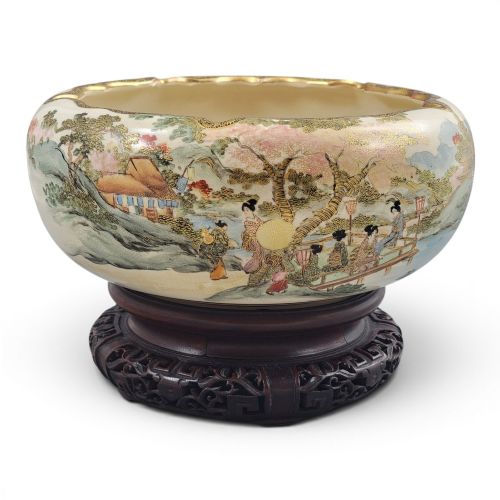

Hand Painted Meiji Bowl
These hand painted meiji bowl examples bring intricate Japanese craftsmanship into your home through vibrant porcelain and earthenware vessels.
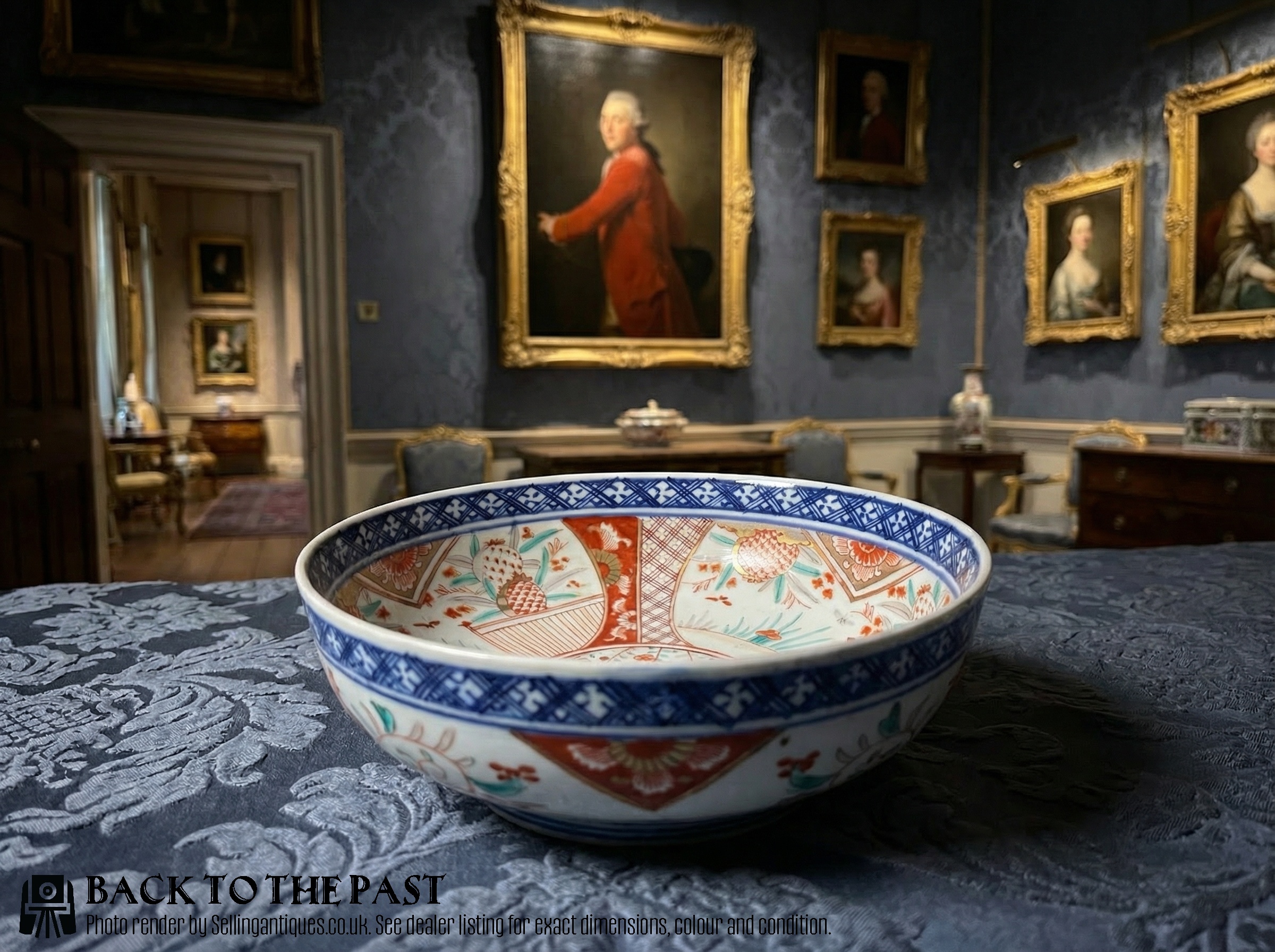
Hand Painted Meiji Bowl
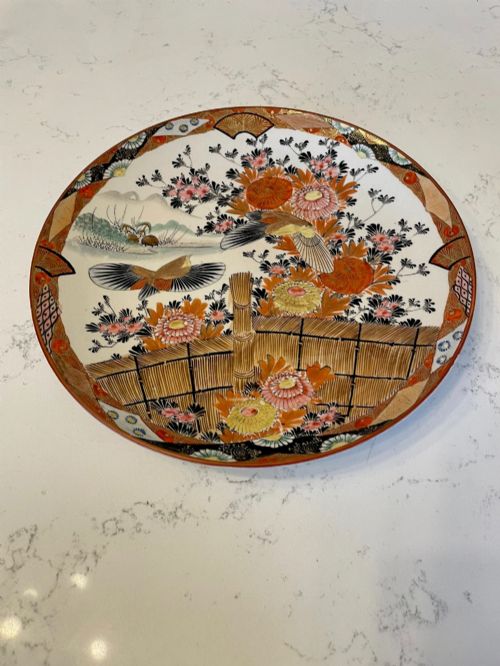
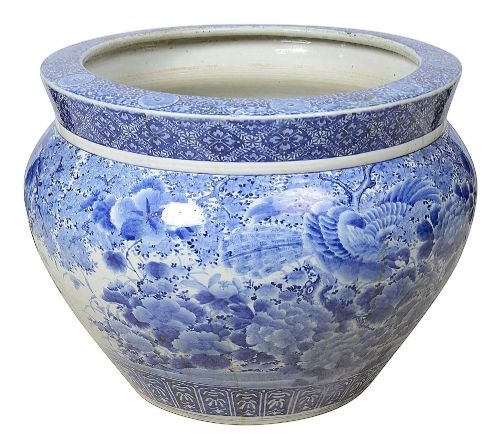
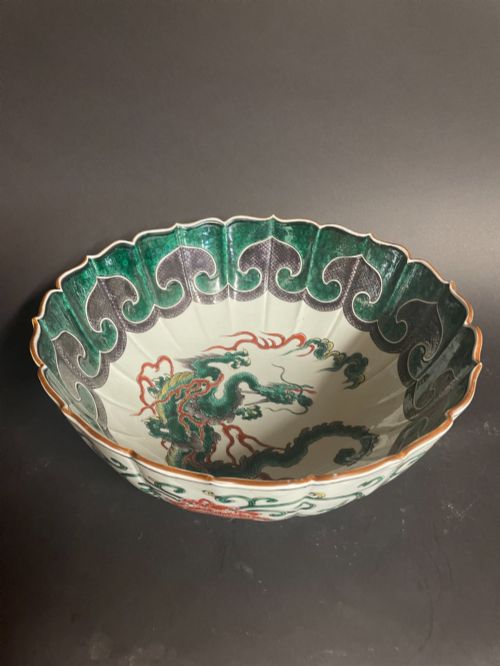
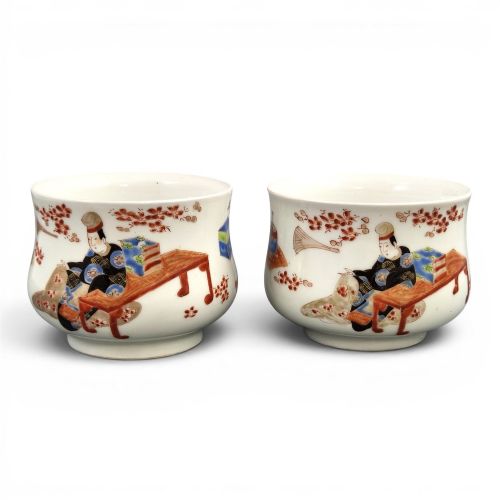
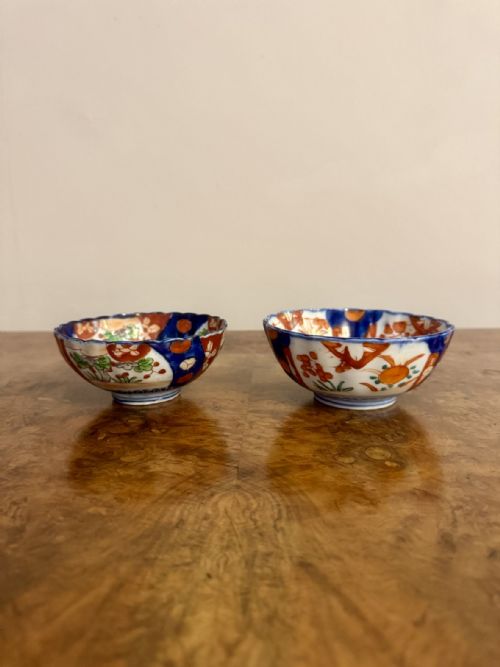
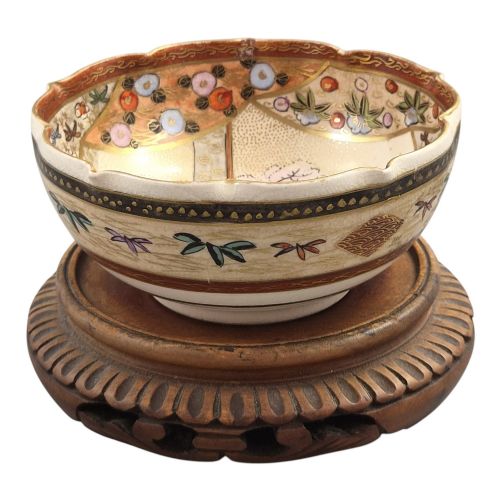
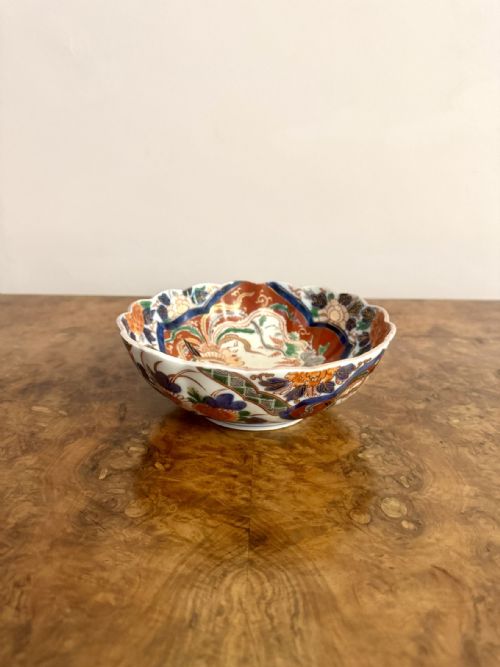
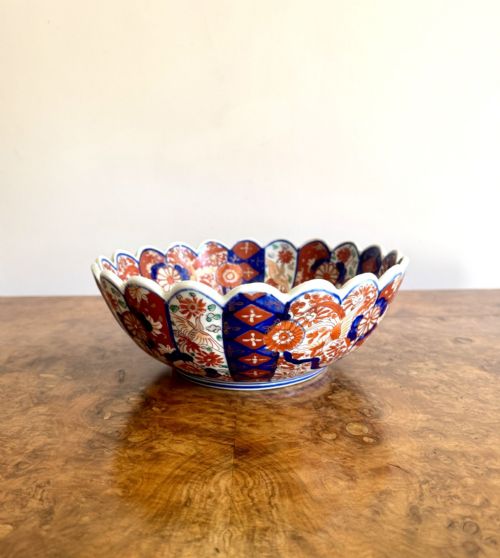
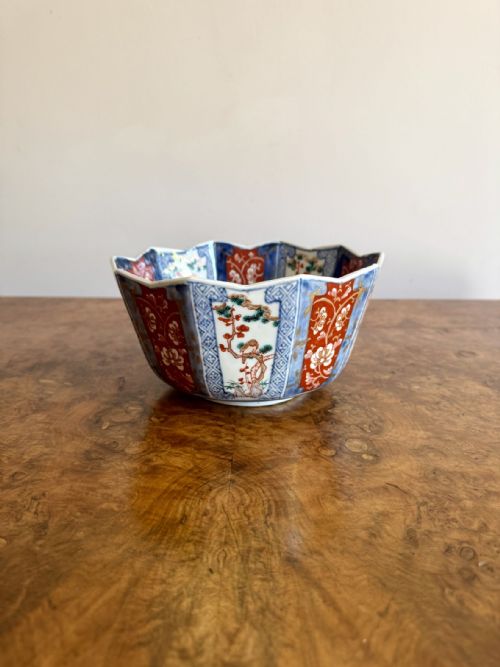
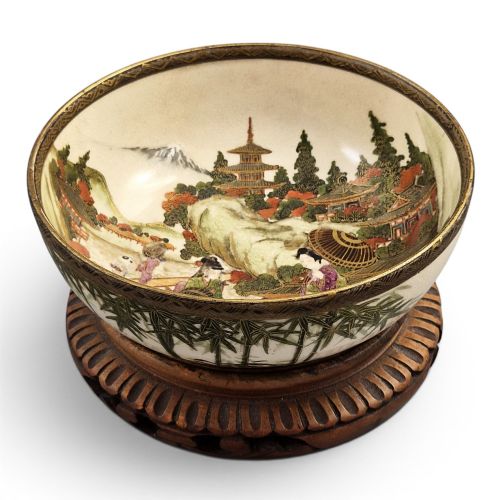
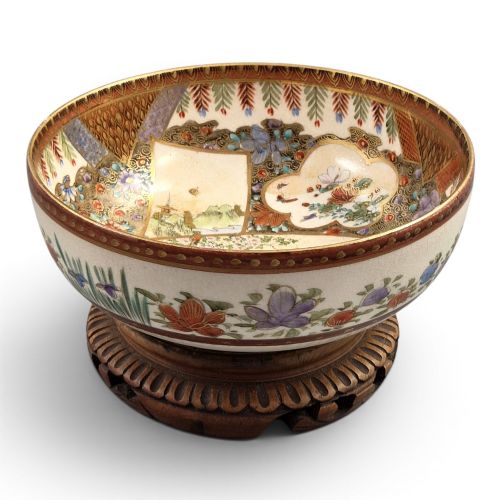
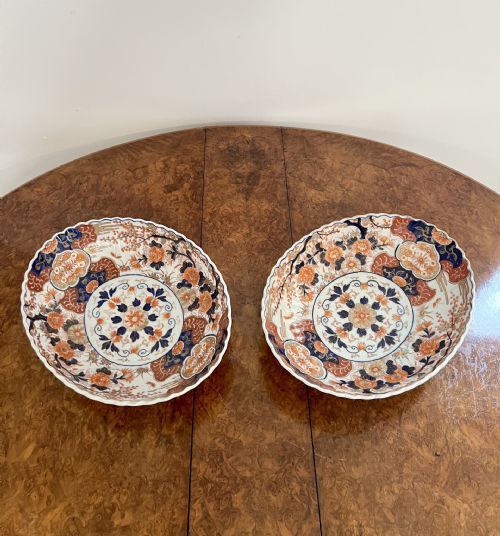
When searching for a hand painted meiji bowl, collectors encounter decorative pieces originating primarily from the late nineteenth and early twentieth centuries. The selection on this page consists heavily of Japanese Imari and Satsuma ceramics, ranging from large scallop edge centrepieces down to miniature vessels.
Forms extend beyond standard bowls to include hexagonal shapes, lidded jars, and decorative dishes alongside related items like tea cups and jardinieres. These objects reflect the rich output of Japanese export wares produced during the Meiji era and adjacent periods.
How they were made
Potters shaped these objects from porcelain and earthenware, applying detailed hand-painted designs using coloured enamel and gold leaf. Many pieces incorporate rich cobalt blue glaze and intricate gilt highlights baked onto the ceramic body.
The decorative surfaces frequently display traditional motifs executed by skilled artisans working in historical pottery centres such as Kyoto.
Current listings feature pieces spanning the nineteenth and early twentieth centuries, incorporating materials such as porcelain, earthenware, enamel, and gold leaf.
What varies in quality
The distinction between ordinary production and finer output rests in the precision of the hand-painted brushwork and the complexity of the design. Superior examples display crisper execution in the enamel and more ambitious pictorial scenes.
Signatures from notable makers and specific regional provenance elevate certain pieces above standard decorative wares, reflecting greater artistry by the maker.
Ginshōtei Gyokushi·Gyokkō·Kozan·Shizan·Ryuzan·Kinkozan·Nikko
The Hand Painted Meiji Bowl Glossary
- Imari
- A traditional style of Japanese porcelain featuring distinctive cobalt blue, iron red, and gilt decoration. This palette remains a defining characteristic of many antique bowls.
- Satsuma ware
- A type of Japanese earthenware characterised by a pale, ivory-coloured crackle glaze richly decorated with enamels and gold. These pieces often depict figurative or natural scenes.
- Meiji period
- The historical era in Japan lasting from 1868 to 1912, marked by significant opening to Western trade and the widespread export of decorative arts.
- Kutani ware
- Japanese porcelain known for vibrant overglaze enamel colours, frequently including greens, blues, and purples in intricate patterns.
Hand Painted Meiji Bowl: Frequently Asked Questions
What is a Meiji period bowl?
A Meiji period bowl is a ceramic vessel produced in Japan during the reign of the Meiji Emperor between 1868 and 1912. These items reflect the traditional craftsmanship of the era.
Many were created specifically for export to Western markets, combining traditional Japanese motifs with decorative techniques that appealed to contemporary collectors.
How do I identify Satsuma ware?
Satsuma ware is typically recognised by its cream-coloured earthenware body covered in a fine network of decorative crackle glaze. The surfaces are then painted with detailed enamels and gilt.
These pieces frequently feature signatures or factory marks on the underside, often including mon family crests associated with specific kilns.
What is Japanese Imari porcelain?
Japanese Imari porcelain is identified by a distinct colour palette consisting primarily of underglaze cobalt blue, iron red, and supplementary gold leaf. The designs often incorporate floral or geometric patterns.
Potters created these robust vessels for both domestic use and international trade, making them a common find among antique ceramics.
How should I display an antique bowl?
Antique bowls and decorative dishes suit placement on sturdy tables, sideboards, or within cabinet displays where their painted interiors remain visible. Scalloped and hexagonal shapes benefit from open placement.
Placing items away from direct sunlight helps protect the delicate enamel and gold leaf decorations over time.