


Oriental Ceramic Teapot
An oriental ceramic teapot brings centuries of ceramic artistry and trade history straight to your tea table.
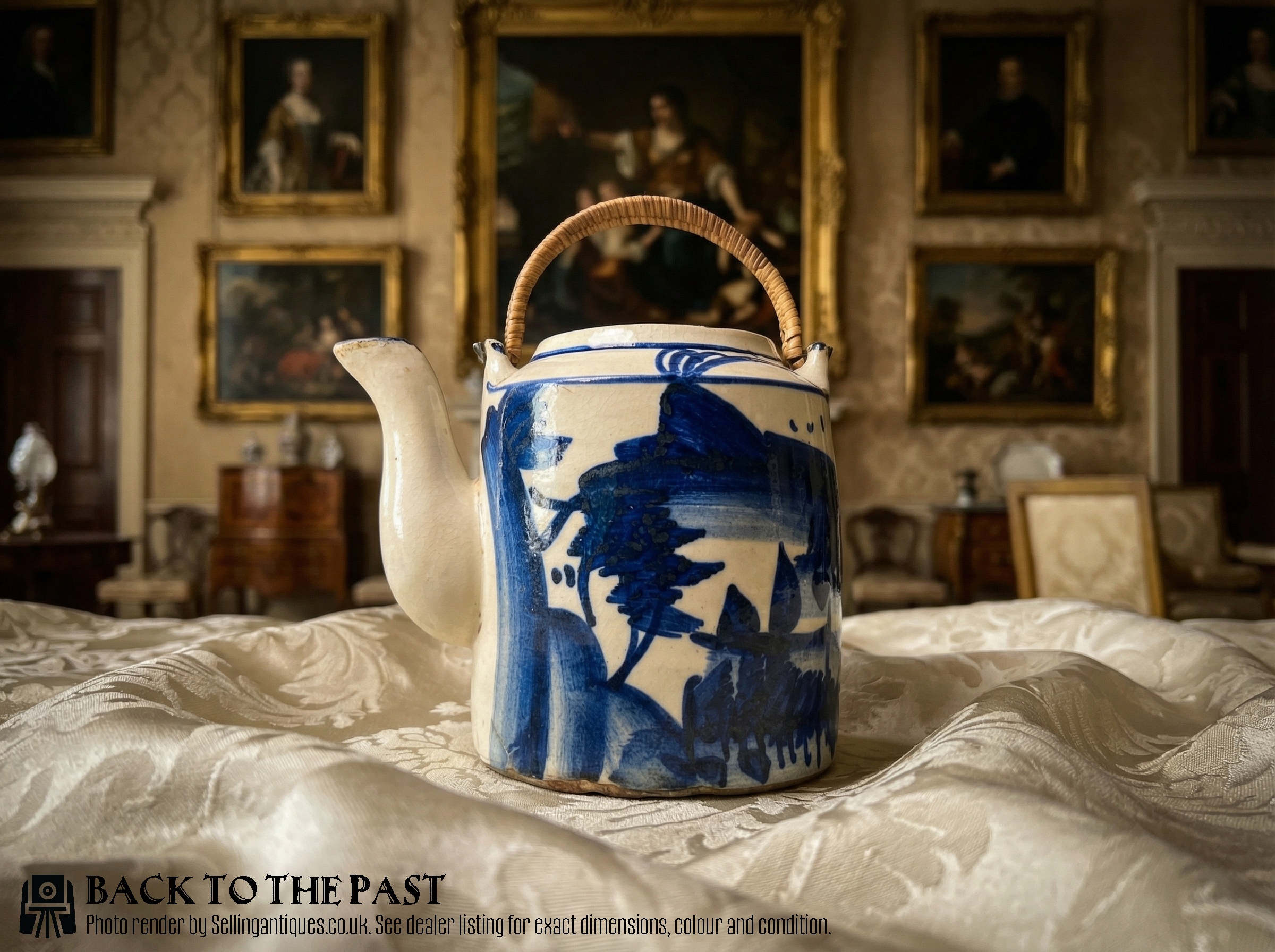
Oriental Ceramic Teapot
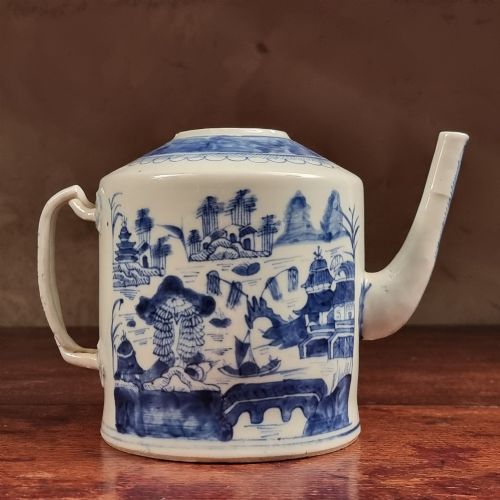
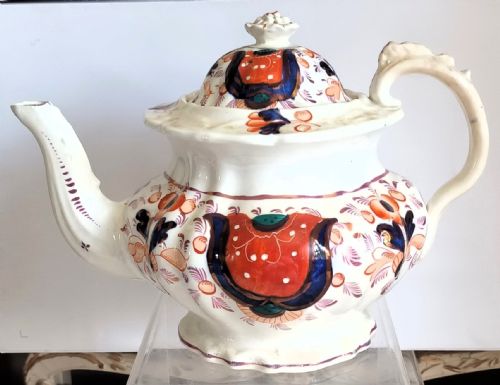
When you search for an oriental ceramic teapot, you encounter vessels that span several centuries of Asian and British ceramic production, from small domestic pots to decorative ewers. The pieces available here include wares from the Qing dynasty, the Meiji period, and Georgian Britain, reflecting global trade routes and stylistic exchanges.
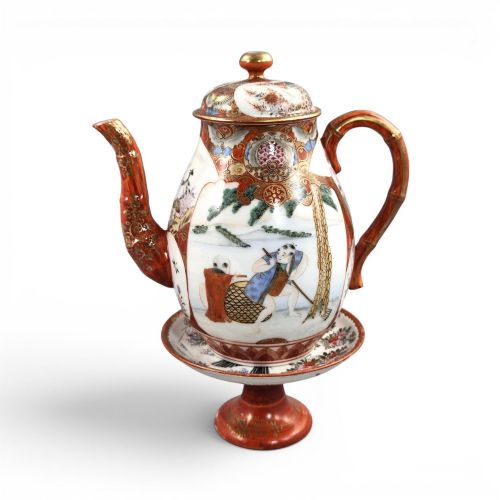
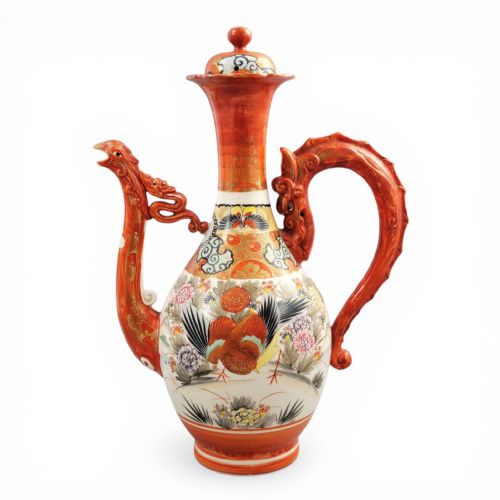
The form encompasses traditional teapots, sake ewers, and wine ewers made in porcelain and earthenware, sometimes accompanied by wicker cases or specialised stands. Many examples carry blue and white decoration, famille rose palettes, or imari designs typical of their respective periods of origin.
Buyers are most likely to meet 19th-century Japanese Kutani or Meiji period pieces alongside 18th-century Chinese export wares. These objects served both functional daily use and ornamental display in domestic interiors.
How they were made
Makers utilised porcelain and earthenware as the primary ceramic bodies, shaping them by hand or on the wheel before firing at high temperatures. Cobalt glaze provided the deep blue underglaze decoration seen on Ming style and Kangxi period items.
Overglaze enamel, gold leaf, and lustre glaze were applied in subsequent stages to add colour and metallic sheen to surfaces. Some pieces incorporated metal elements or came fitted with woven wicker protective cases.
Some miniature teapots and ewers come equipped with their own fitted wicker travel cases, ensuring safe passage across the oceans.
What varies in quality
Quality in an oriental ceramic teapot rests on the precision of the throwing, the control of the kiln temperature during firing, and the delicacy of the hand-painted details. Finer examples display crisp cobalt blue lines, evenly distributed enamel colours, and well-balanced handles and spouts.
The sophistication of the glaze and the intricacy of motifs such as dragons, phoenixes, or floral panels distinguish standard utilitarian wares from superior artistic productions. Preservation of original covers, stands, and delicate gilding also elevates the standing of a piece.
The Oriental Ceramic Teapot Glossary
- Porcelain
- A hard, fine-grained ceramic fired at high temperatures until vitrified and translucent. It forms the base body for the majority of export teapots and ewers.
- Famille Rose
- A palette of opaque enamel colours dominated by pink or rose hues, introduced in Chinese ceramics during the Qing dynasty. It allowed for pictorial and floral designs of great subtlety.
- Imari
- A style of Japanese export porcelain featuring deep cobalt blue and iron red combined with gilt highlights. The tradition originated in Arita and gained immense popularity in Europe.
- Ewer
- A large pitcher or jug with a spouted mouth and handle, used historically for pouring water, wine, or tea. Many ceramic examples from East Asia double as decorative vessels.
- Meiji Period
- The era of Japanese history lasting from 1868 to 1912, characterised by industrialization and a surge in decorative arts created for Western export markets.
Oriental Ceramic Teapot: Frequently Asked Questions
How do I date an oriental ceramic teapot?
Dating relies on stylistic markers, reign marks, glaze compositions, and manufacturing techniques associated with specific periods like the Kangxi or Meiji eras.
Comparison with documented examples in museum collections and historical trade records helps narrow the decade of production.
Were these teapots used for daily tea or display?
Many export and domestic pieces saw actual use in tea service, while others functioned primarily as decorative items or status symbols in European and Asian drawing rooms.
Signs of wear on the interior and around the rim often indicate whether a pot poured tea in its working life.
How should I clean an antique ceramic teapot?
Cleaning requires warm water and a mild soap, applied gently with a soft cloth to protect vulnerable overglaze enamels and gold leaf.
Harsh chemical detergents and immersion in water should be avoided, particularly for pieces with metal mounts or fragile wicker cases.
What is the difference between an export teapot and a domestic one?
Export pieces were specifically manufactured in China or Japan to suit European tastes and interior fashions, often blending Eastern shapes with Western utility.
Domestic wares adhered strictly to local cultural traditions in form, scale, and decorative motifs.