



Japanese Pottery Vessel
When you search for a japanese pottery vessel, you step into a world of finely painted ceramics, glazed earthenware, and intricate decorative forms.
Japanese Pottery Vessel
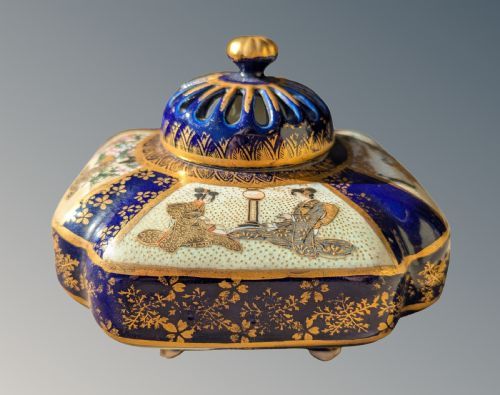
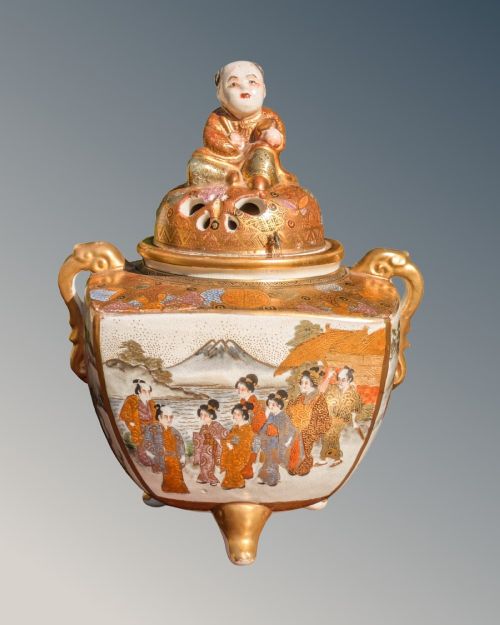
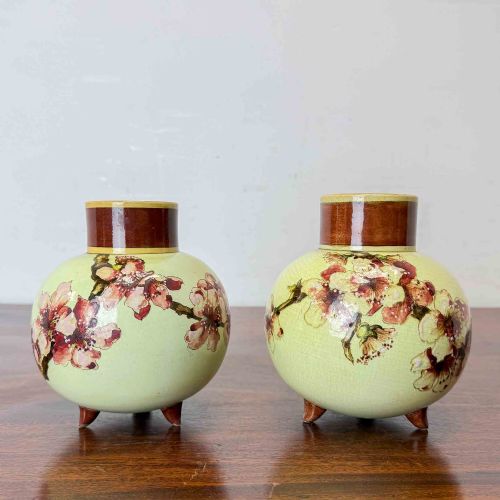
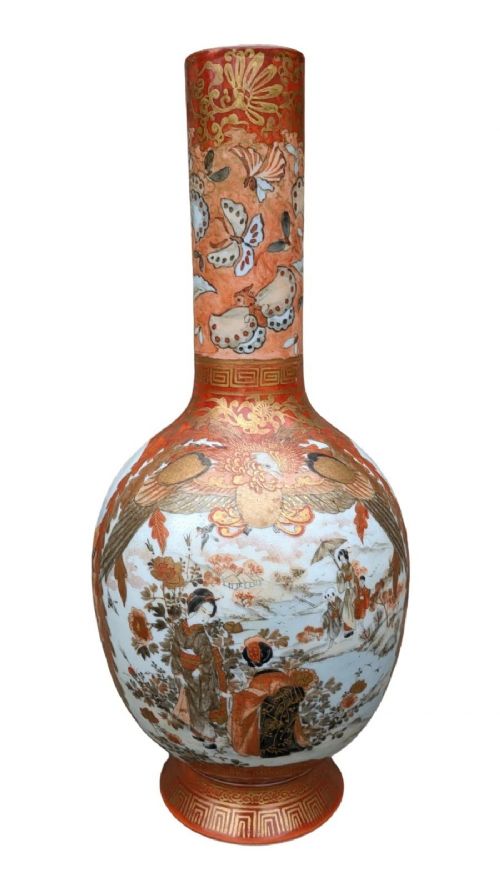
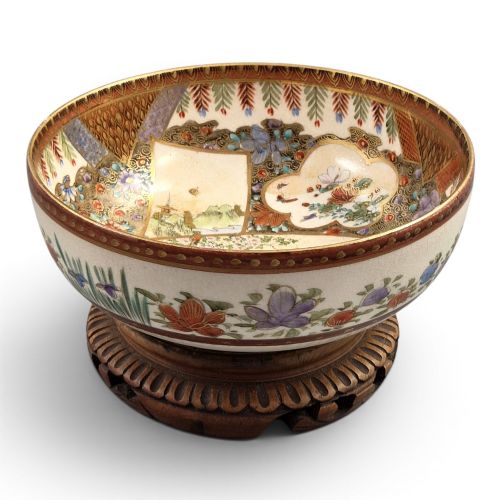
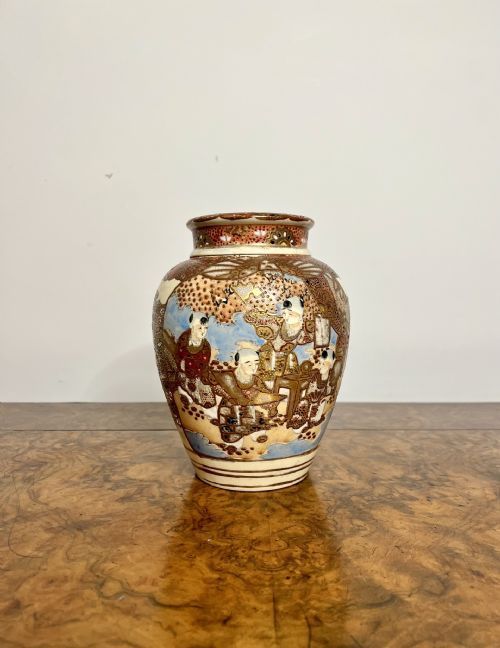
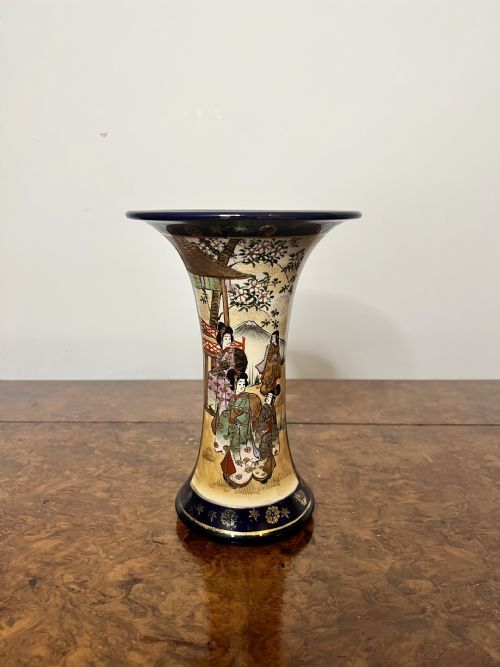
A japanese pottery vessel encompasses a wide array of historical ceramic objects, from tall baluster vases and ginger jars to lidded incense burners and tea caddies. Most examples found here originate from the Meiji and Taisho periods, spanning the late nineteenth and early twentieth centuries, alongside pieces carrying Victorian design influences.
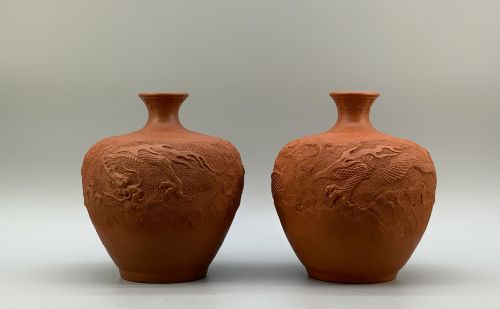
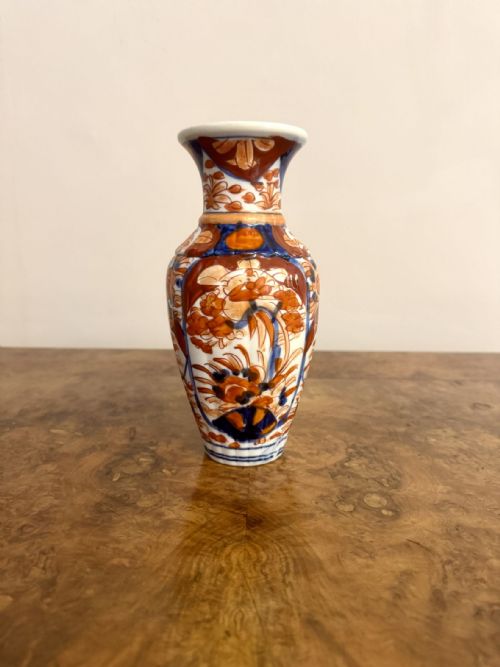
Buyers will frequently encounter distinct regional styles such as Satsuma earthenware, Imari porcelain, Kutani ware, and the textured glazes of Sumida Gawa. These forms served both domestic utility and export markets, reflecting the evolving ceramic artistry of Japan during periods of rapid international exchange.
How they were made
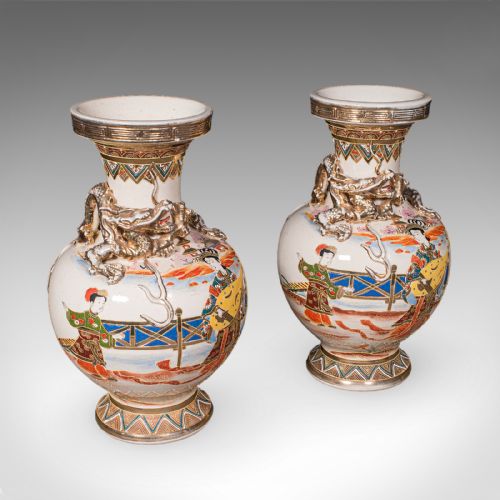
Potters utilised earthenware, stoneware, and porcelain bodies, shaping them into balanced vases, bowls, and specialised ritual vessels. Surface decoration relied heavily on detailed hand-painting using rich enamel colours, accented by generous applications of gold leaf and intricate moriage relief work.
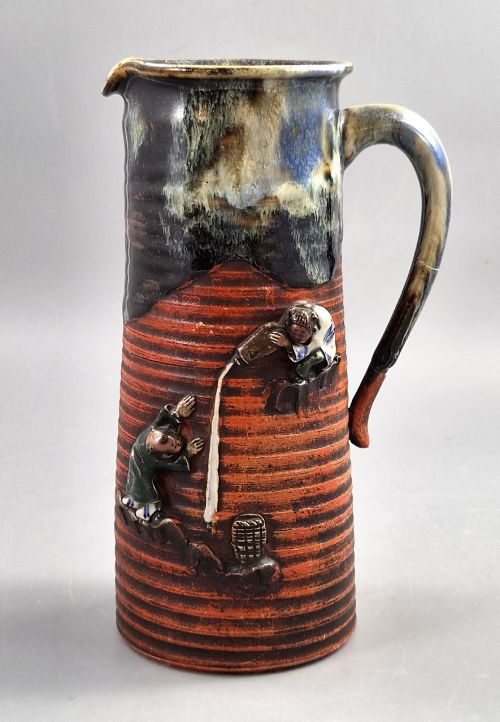
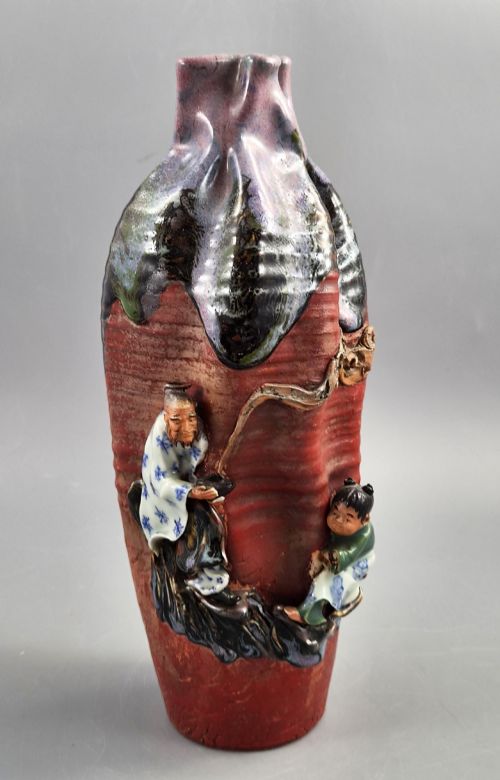
Specialised techniques defined specific traditions, such as the distinctive drip glazes and applied figures seen on Sumida Gawa wares, or the fine crackle-glaze backgrounds characteristic of Kyoto Satsuma production. Kiln firing temperatures and glazing methods varied widely depending on whether the workshop produced delicate porcelain or robust red clay bodies like Tokoname.
Materials recorded across the selection include earthenware, porcelain, terracotta, enamel, gold leaf, and glazed ceramic.
What varies in quality
The distinction between standard commercial output and superior craftsmanship lies in the precision of the brushwork and the complexity of the narrative scenes. Master workshops employed skilled painters to execute elaborate figural processions, arhats, and samurai battles with remarkable control and depth.
The handling of gilding and relief ornamentation also separates ordinary pieces from exceptional works. Finer vessels display crisp, well-defined moriage detailing and harmonious integration of enamel and gold leaf without cluttering the underlying ceramic form.
Kizan·Kinkozan·Hotoda·Makuzu Kozan·Kozan·Chosei·Tokyo Taizan
The Japanese Pottery Vessel Glossary
- Satsuma
- A type of Japanese earthenware featuring a pale, ivory-coloured crackle glaze that served as a canvas for intricate enamel and gilt decoration. These pieces were extensively produced for export during the Meiji period.
- Koro
- A traditional Japanese incense burner, typically fitted with a pierced lid to allow fragrant smoke to escape. They often stand on three legs and feature guardian lion or dragon handles.
- Imari
- A style of Japanese porcelain decorated in underglaze blue and overglaze red, green, and gold. This ware was traditionally fired in Arita and shipped through the port of Imari for international markets.
- Moriage
- A decorative ceramic technique where liquid clay is piped onto the surface in dots or lines to create raised patterns. This method adds a tactile, three-dimensional texture beneath the final glaze or enamel.
- Meiji Period
- The era of Japanese history spanning from 1868 to 1912, marked by the opening of trade with the West. Ceramics from this time often exhibit remarkable technical refinement and ambitious decorative schemes.
Japanese Pottery Vessel: Frequently Asked Questions
What is a Satsuma vase?
Satsuma ware is a distinct style of Japanese earthenware recognisable by its creamy, crackled glaze. These pieces are typically decorated with elaborate hand-painted figures, landscapes, and heavy gilding.
Originally produced in Satsuma Province, the style evolved significantly during the Meiji period to cater to European and American tastes, resulting in highly ornate export pieces.
How do I identify Imari porcelain?
Imari porcelain is traditionally identified by its striking palette of underglaze cobalt blue combined with iron red, accented by generous amounts of gold. The patterns are usually dense, geometric, and floral.
These wares were made in the town of Arita and shipped from the port of Imari, becoming immensely popular in Western decorative interiors during the nineteenth century.
What are Sumida Gawa ceramics?
Sumida Gawa pottery originates from workshops near the Sumida River in Tokyo, known for unglazed or partially glazed bodies featuring heavily textured surfaces. They frequently incorporate high-relief moulded figures climbing across the exterior.
Unlike the refined elegance of Satsuma or Kutani wares, these pieces have a tactile, sculptural quality with distinctive flambé glazes.
How should I display a koro?
A koro, or incense burner, is best placed on a stable surface where its pierced lid and sculptural handles can be appreciated from multiple angles. Many historical examples were created with matching wooden stands that elevate the vessel.
In a contemporary home, they work well as focal points on sideboards or mantels, continuing their traditional role as objects of quiet contemplation.