





Meiji Sumida Ware
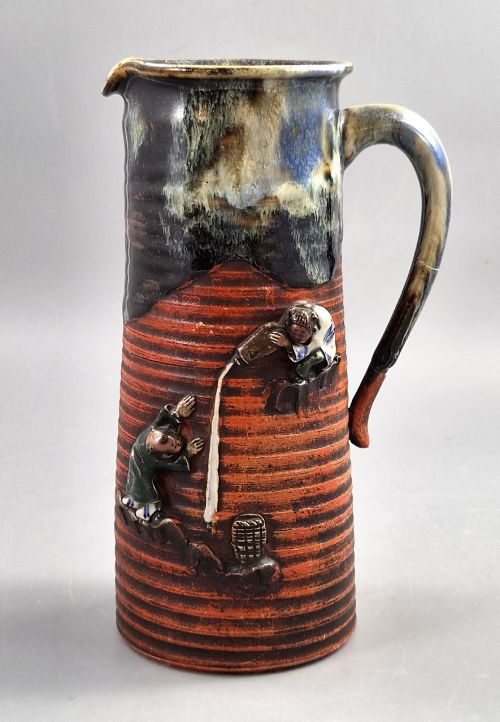
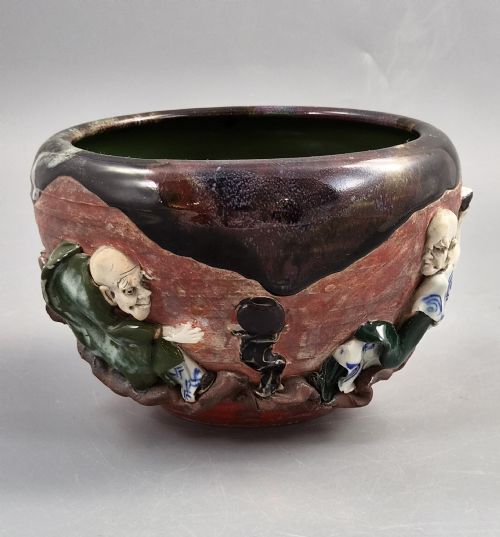
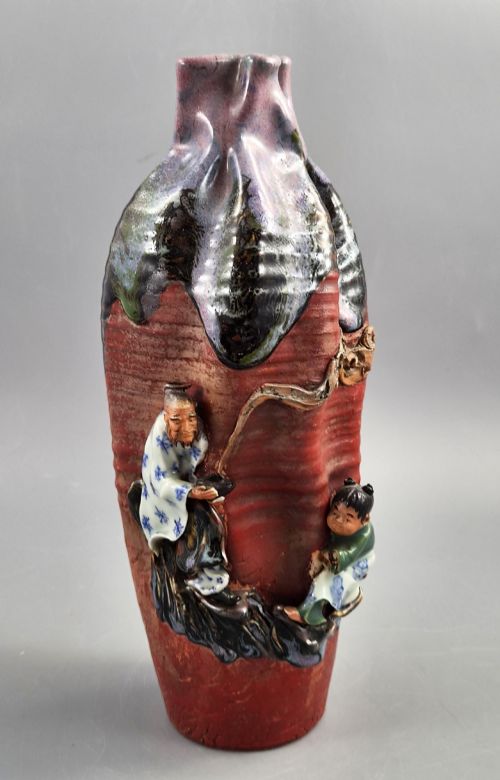
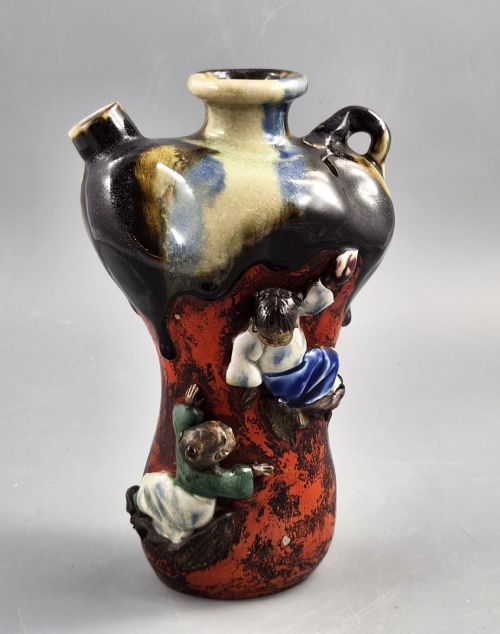
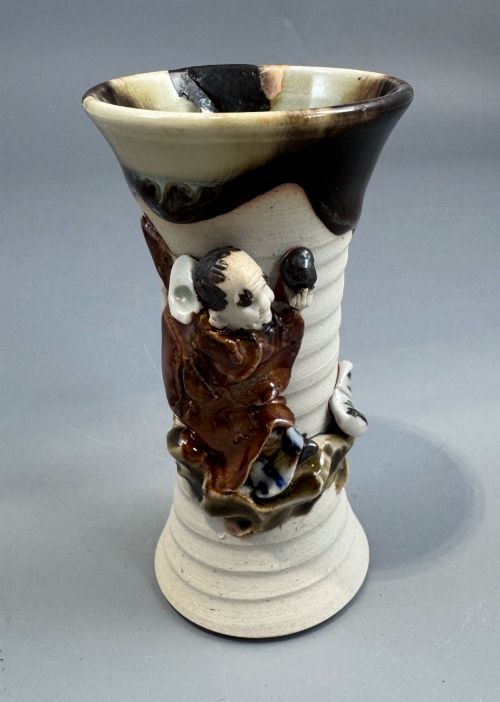
These pieces of meiji sumida ware bring vibrant Japanese modelling and dramatic glazes straight into your collection.
Meiji Sumida Ware
When you search for meiji sumida ware, you encounter distinctive Japanese ceramics created around the turn of the twentieth century. These objects span the Meiji and Taishō periods, showing a strong visual identity through sculptural additions.
The forms on this page include vases, pitchers, jugs, decorative bowls, teapots, cups, saucers, and mugs. You also find specialised pieces like a suiban brush washer and baluster vases, each carrying specific utility or display purposes.
Most examples originate from the active workshops operating during the late Meiji through to the early Taishō eras. This specific window defines the core output available to collectors today.
How They Were Made
Makers utilised earthenware, terracotta, and stoneware as the primary body materials for these vessels. Artists then applied paints and liquid ceramic glazes, including lavender flambé and oxblood finishes, to coat the surfaces before firing.
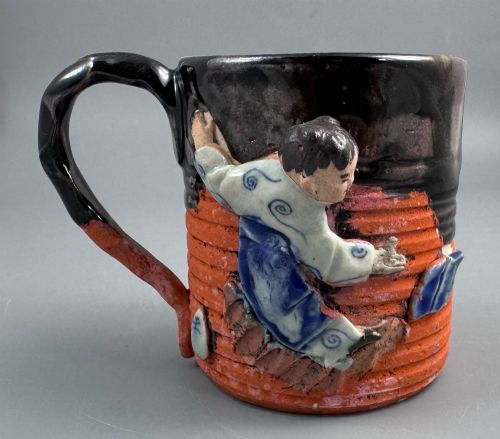
A defining construction method involves modelling figures in relief directly onto the body of the vessel. Artisans sculpted sages, karako, rakan, sennin, and climbing figures by hand, pressing them onto the clay surfaces to create high-relief scenes.
Watch out for tiny sculpted children clambering right up the rims of your tea mugs.
What Varies in Quality
The precision and detail of the applied figural work separate ordinary examples from the finest pieces. Skilled modelling brings life to the sages and children clambering across the sides of vases and mugs.
The control and depth of the glaze application also dictate overall excellence. Rich lavender flambé and deep oxblood colours demonstrate superior kiln mastery compared to flat or uneven finishes.
Inoue Ryōsai·Ban-ni·Kōko·Ryōsai·Ishiguro Kōko·Inoue Ryōsai Workshop·Hiroshi
The Meiji Sumida Ware Glossary
- Sumida Gawa
- A style of Japanese pottery originating near the Sumida River in Tokyo. It is famous for its heavily textured surfaces and applied figures.
- Karako
- A traditional decorative motif depicting Chinese boys or children at play. They appear frequently climbing on these vessels.
- Flambé
- A streaky, variegated glaze effect achieved through reduction firing. It produces dramatic colour transitions across the ceramic surface.
- Suiban
- A shallow decorative basin used for holding water or arranging plants. This form functions as a brush washer in scholar's settings.
- Rakan
- Representations of enlightened disciples of the Buddha. These figures appear sculpted in high relief on stoneware pieces.
Meiji Sumida Ware: Frequently Asked Questions
What is meiji sumida ware?
Meiji sumida ware comprises distinctive Japanese ceramics produced around the transition from the Meiji to the Taishō period. They are instantly recognisable by their heavily glazed bodies and hand-modelled figures climbing across the exterior.
Potters worked primarily in earthenware and stoneware, applying bold colours like oxblood and flambé glazes. These pieces blend traditional Japanese ceramic techniques with spirited sculptural storytelling.
How were these vessels used?
Many of these pieces served practical functions in daily life and traditional settings. Vases, pitchers, teapots, and mugs held liquids or flowers, while specialised items like suiban acted as brush washers.
Beyond simple utility, the vessels functioned as decorative display objects. Their tactile surfaces and narrative scenes invited close inspection in domestic interiors.
How do I identify signatures?
Makers often signed their work directly into the damp clay or glaze using impressed seals or handwritten marks. Signatures associated with prominent artists such as Inoue Ryōsai and Kōko appear on various pieces.
Locating a clear signature helps connect a vessel to a specific workshop or master potter. However, unsigned pieces matching the same stylistic traits remain common.
How do I care for these ceramics?
Display these glazed earthenware and stoneware objects away from direct sunlight and areas prone to heavy temperature shifts. Dust them gently with a soft, dry cloth to protect the delicate relief figures.
Avoid using water or liquid cleaners on the porous or painted surfaces. Treating the pieces with care preserves both the glaze and the applied clay details.