


Hand Painted Tea Pot
A hand painted tea pot brings the warmth of historic porcelain and earthenware directly to the table.
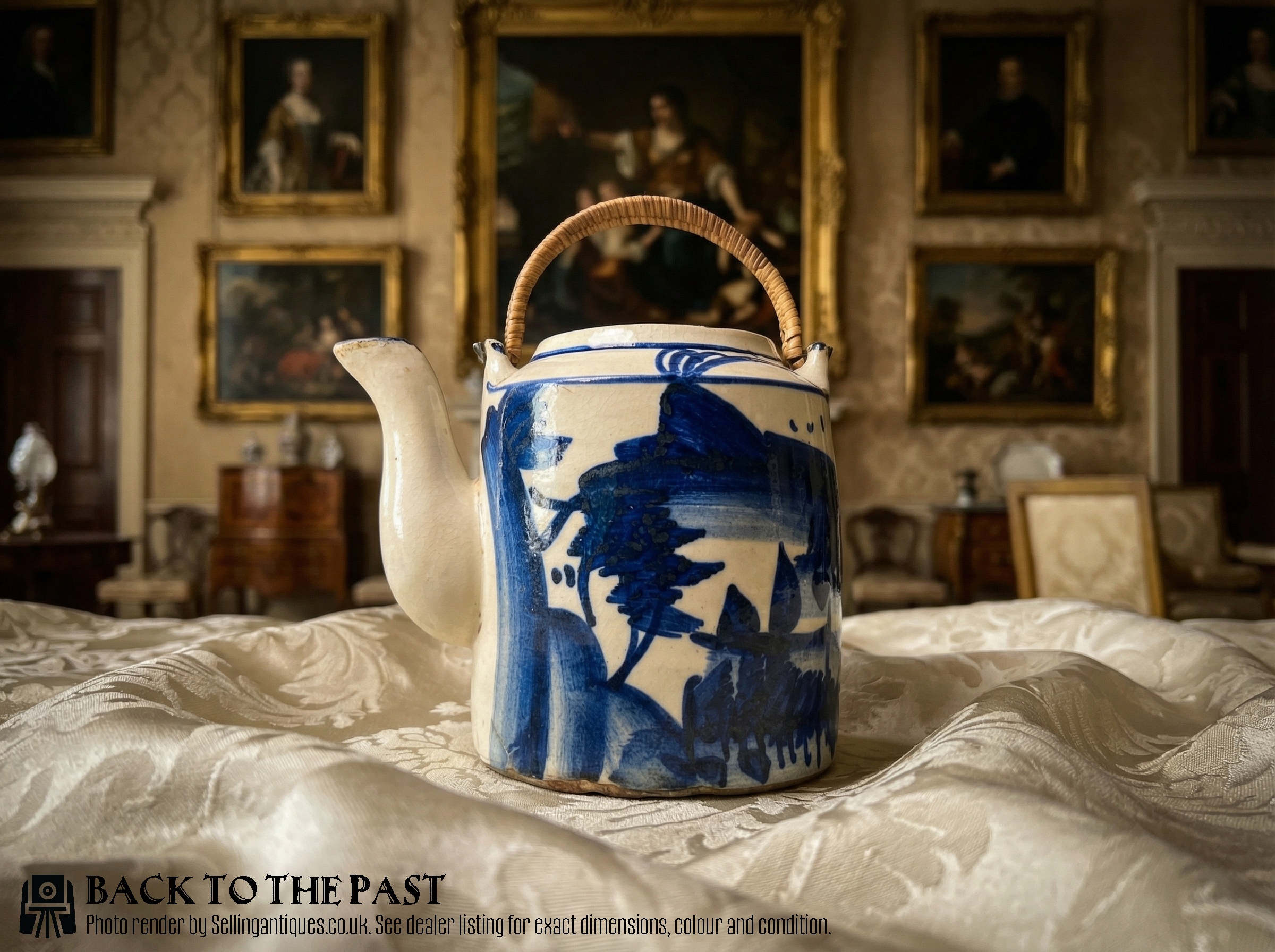
Hand Painted Tea Pot
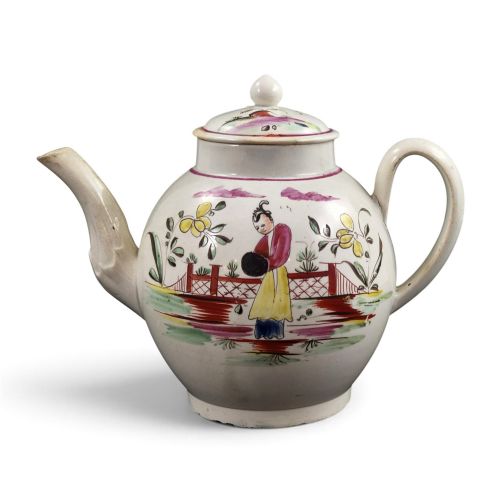
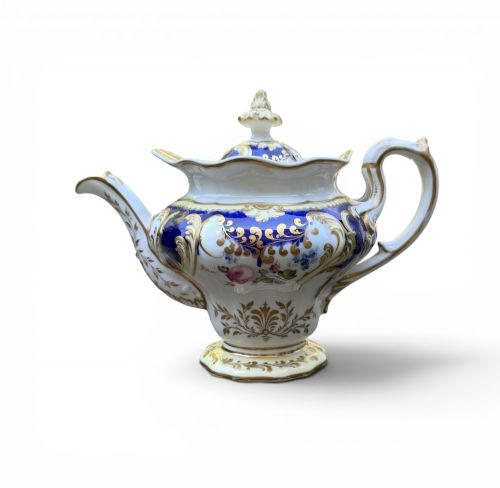
A hand painted tea pot is a functional vessel designed for brewing tea, decorated by hand across various historic periods. The pieces available span 18th century creamware, Georgian porcelain, and later Victorian examples.
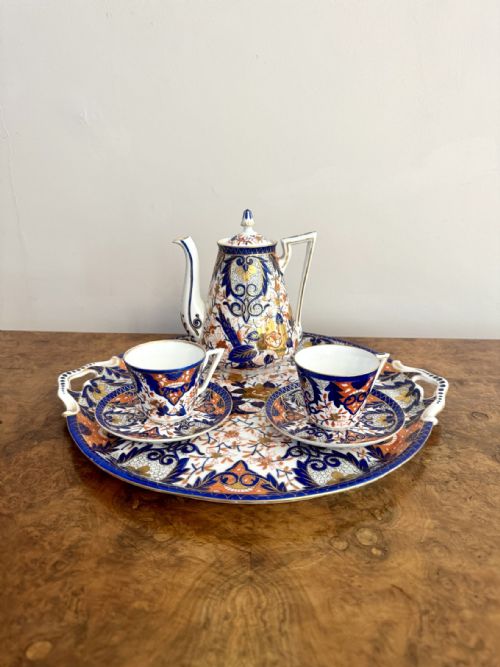
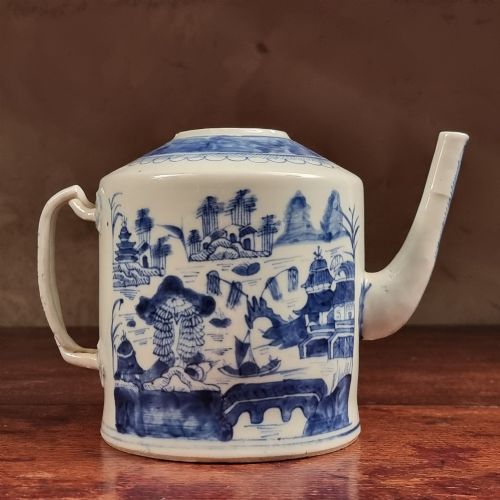
Most entries focus on ceramic and porcelain forms, including Chinese export pieces and English manufactory items. These range from domestic creamware to elaborate Chinoiserie and Imari decorated services.
Buyers encounter forms varying from small oriental tea pots with wicker cases to full coffee sets and associated sucriers. The selection bridges the gap between utilitarian kitchenware and decorative cabinet pieces.
What varies in quality
The sophistication of the hand painting determines much of the distinction between everyday vessels and finer examples. Precision in floral motifs, enamel work, and gilding reflects the skill of the decorator.
The choice of body material also marks the tier of the piece, moving from standard earthenware and creamware to refined soft-paste and hard-paste porcelain. Factory origin and historical period further anchor the standing of individual items.
Listings feature materials spanning creamware, earthenware, porcelain, and soft-paste porcelain.
Thomas Wolfe Staffordshire·Russian Imperial Porcelain Manufactory·James Kent Old Foley·Sevres
The Hand Painted Tea Pot Glossary
- Creamware
- A type of light-coloured earthenware perfected in 18th-century England. It provided a smooth surface suited for various painted designs.
- Chinoiserie
- European decorative style reflecting Chinese artistic influences. It often appears on 18th-century English porcelain and creamware.
- Imari
- A style of ceramic decoration originating in Japan, characterised by cobalt blue, iron red, and gold. Victorian makers adopted these vibrant palettes.
- Sucrier
- A small sugar bowl, frequently accompanying teapots in matching sets. These lidded vessels share the ceramic body and painted motifs of the main pot.
- Soft-paste porcelain
- A ceramic material composed of clay and glass frit, fired at lower temperatures than hard-paste. It was widely used by early English manufactories.
Hand Painted Tea Pot: Frequently Asked Questions
How do I date a hand painted tea pot?
Dating relies on identifying the material, such as creamware versus hard-paste porcelain, alongside the style of decoration. Marks on the base often point to specific factories or periods.
Context from the shape and handle construction also helps narrow down the decade of manufacture.
Can I still use these teapots?
Many historic ceramic teapots remain physically sound for brewing tea, particularly robust earthenware and Victorian pieces. However, delicate enamels and gold leaf require gentle handling.
Collectors often treat older porcelain and soft-paste items as display pieces rather than daily kitchenware.
Are matching sets common?
Complete sets, including teapots, milk jugs, and sugar bowls, appear less frequently than standalone pots. Many survive as solitary vessels due to the fragile nature of tea services.
Tête-à-tête and coffee sets represent the more intact survivals from the 18th and 19th centuries.