

Oriental Ceramic Dishes
These oriental ceramic dishes span centuries of kiln traditions, offering vibrant painted palettes and intricate forms for display or service.
Oriental Ceramic Dishes
Oriental ceramic dishes encompass a wide variety of decorative plates, bowls, chargers, and serving platters originating from China and Japan. When searching for oriental ceramic dishes, buyers encounter works spanning from the eighteenth century through the Meiji and Victorian eras.
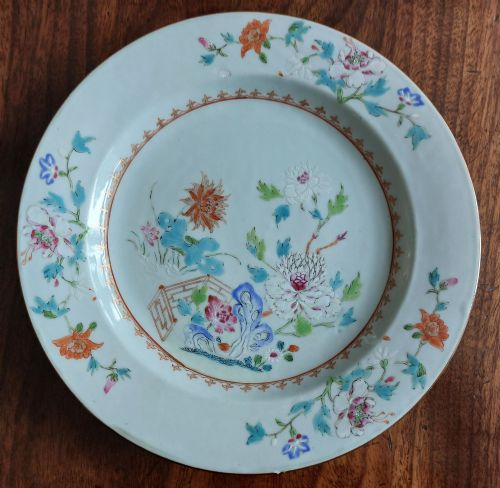
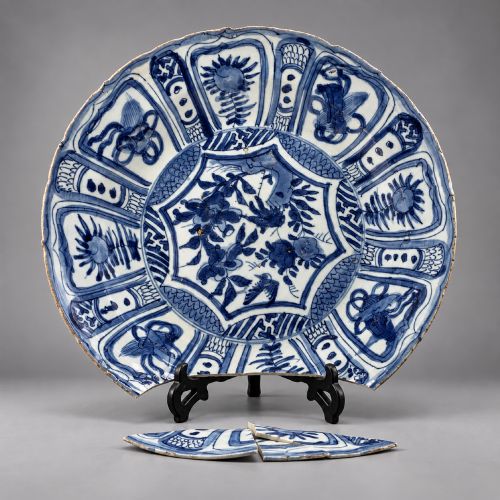
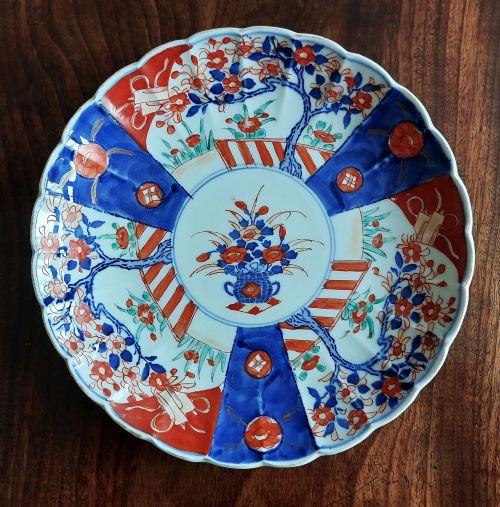
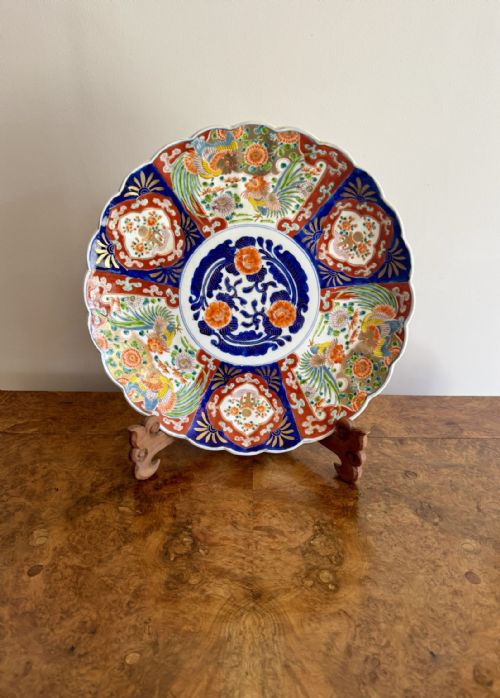
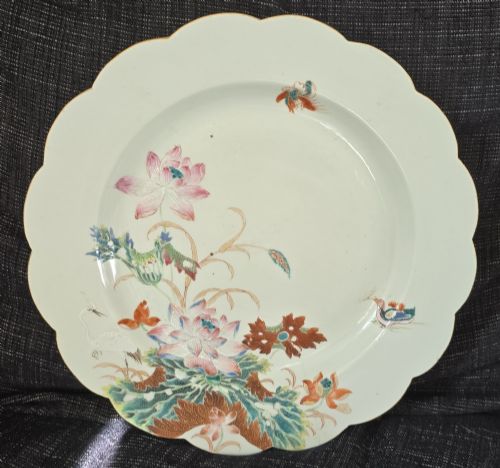
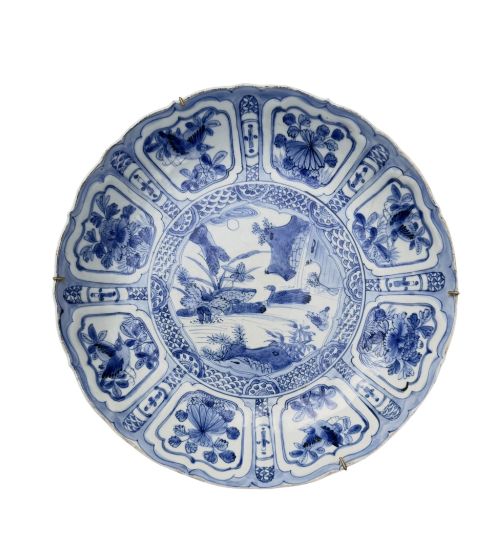
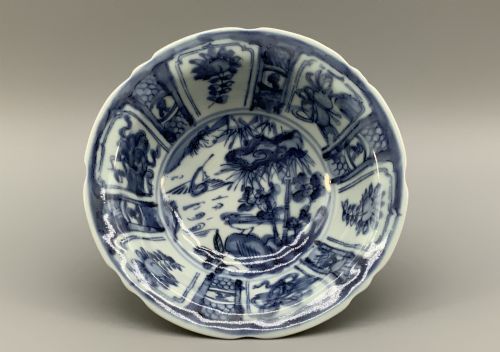
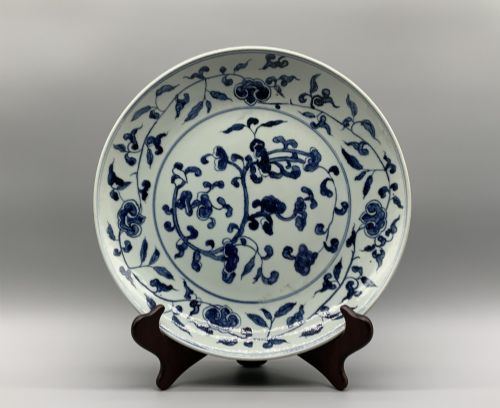
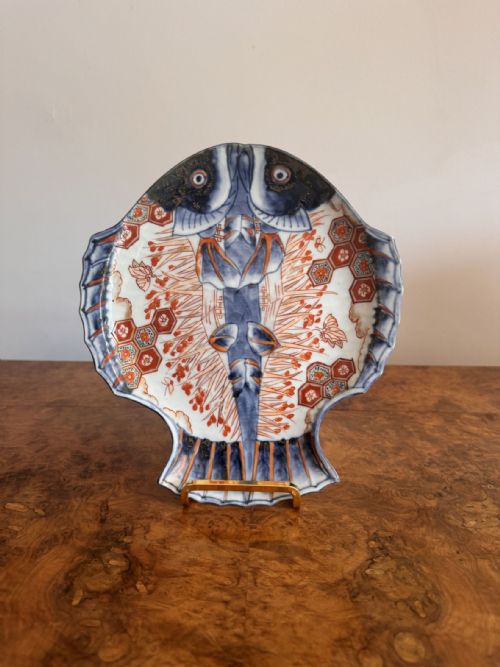
The selection ranges from robust Chinese blue and white porcelain chargers and Famille Rose plates to Japanese Imari and Satsuma wares. Forms include lobed bowls, scalloped edge dishes, and square shaped plates designed for visual impact.
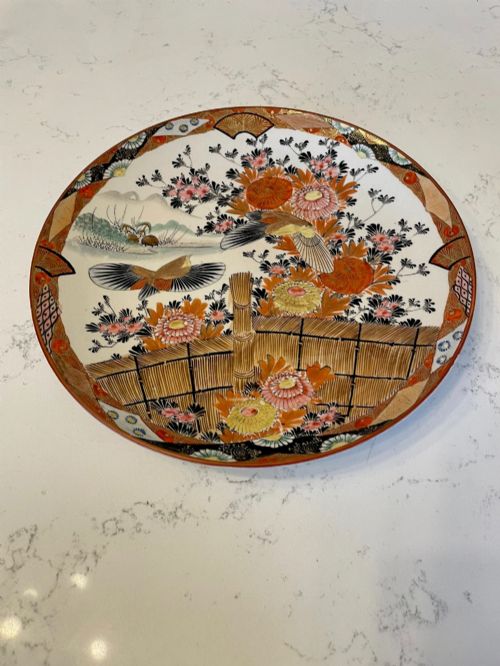
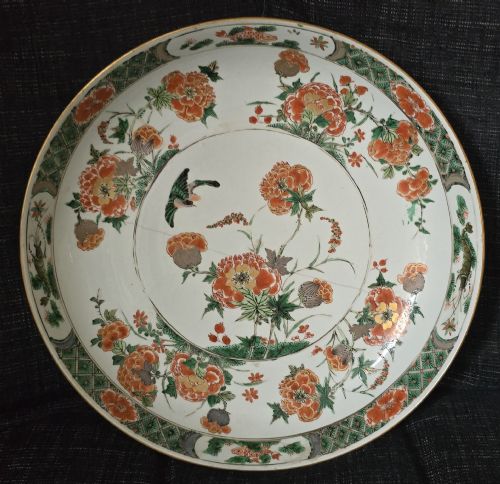
Pieces from the Qing Dynasty and the Meiji period dominate the selection, showing distinct regional aesthetics. Japanese Imari wares and Chinese Kangxi period porcelain represent the core styles available.
Materials and Techniques
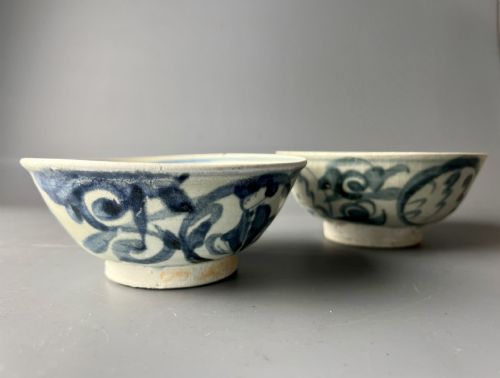
Makers utilised high-fired porcelain and earthenware as the primary canvas for elaborate decoration. Cobalt underglaze and cobalt glaze provide the foundational blue tones in traditional blue and white pieces.
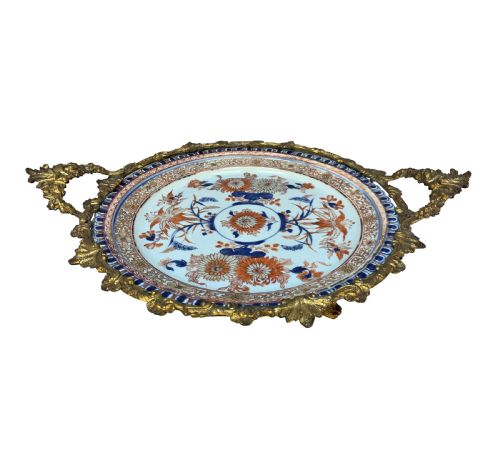
Enamel, gold leaf, and gilding are applied over the glaze to introduce rich colour and metallic highlights, particularly in Imari and Famille Rose designs. Certain items feature intricate cloisonné enamel work or moriage relief decoration on Satsuma bodies.
Listings feature periods from seventeen hundred through the Victorian and Meiji eras, utilising porcelain, earthenware, and cobalt underglaze.
Assessing Quality
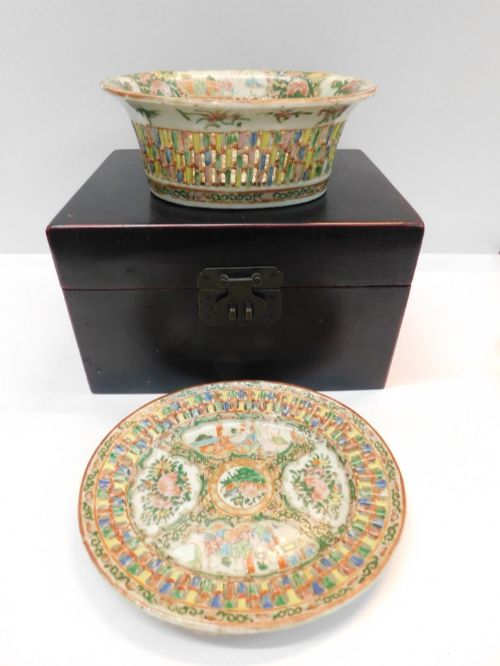
Quality rests in the precision of the hand-painted brushwork and the clarity of the cobalt underglaze or polychrome enamels. Superior examples display balanced compositions, crisp moulding on forms like reticulated chestnut baskets, and controlled application of gold leaf and gilding.
The weight, resonance, and finish of the porcelain body further distinguish standard production items from exceptional decorative chargers and scholarly brush washers.
Koshida·John Rogers and Son·J and R Riley
The Oriental Ceramic Dishes Glossary
- Imari
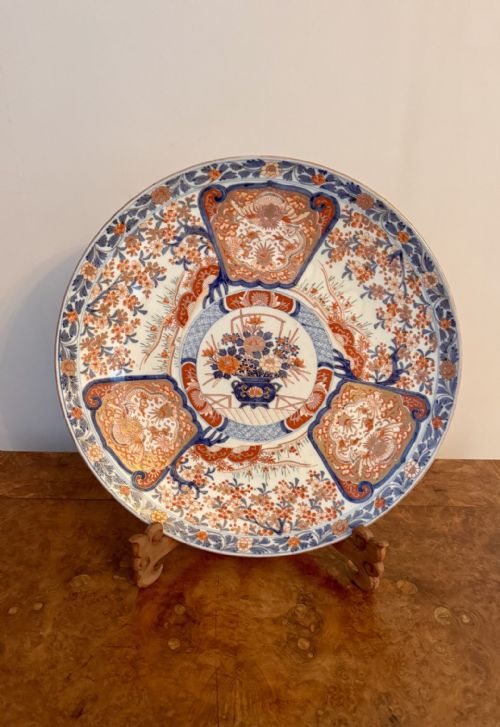
- A style of Japanese porcelain featuring a palette of underglaze blue, iron red, and gilt highlights. These pieces were extensively produced for export during the Edo and Meiji periods.
- Famille Rose
- A major palette of Chinese ceramic glazes introduced in the Qing dynasty, characterised by opaque pink or rose enamel colours. This style depicts floral, figural, and avian scenes.
- Charger
- A large decorative plate or platter intended primarily for display on a wall or sideboard rather than daily dining use. They often feature complex central motifs and decorated borders.
- Kangxi Period
- A significant era of Qing dynasty rule from sixteen sixty-two to seventeen twenty-two, known for technical brilliance in blue and white porcelain production.
- Satsuma
- A type of earthenware from Japan featuring a crackled ivory glaze decorated with polychrome enamels and raised gold moriage work.
Oriental Ceramic Dishes: Frequently Asked Questions
How do I date an oriental ceramic dish?
Dating relies on stylistic markers, reign marks, and the specific material characteristics recorded in the listings. Pieces span the eighteenth, nineteenth, and early twentieth centuries.
Examining the foot ring, glaze texture, and painting style helps place an item within periods such as the Kangxi era, Qing Dynasty, or Meiji period.
What is the difference between Imari and Satsuma?
Imari pieces are typically hard-paste porcelain decorated in underglaze blue, iron red, and gold. They exhibit crisp surfaces and vibrant export designs.
Satsuma items are earthenware with an ivory crackle-glaze, often embellished with detailed enamel paintings and raised moriage details.
Were these dishes meant for food use?
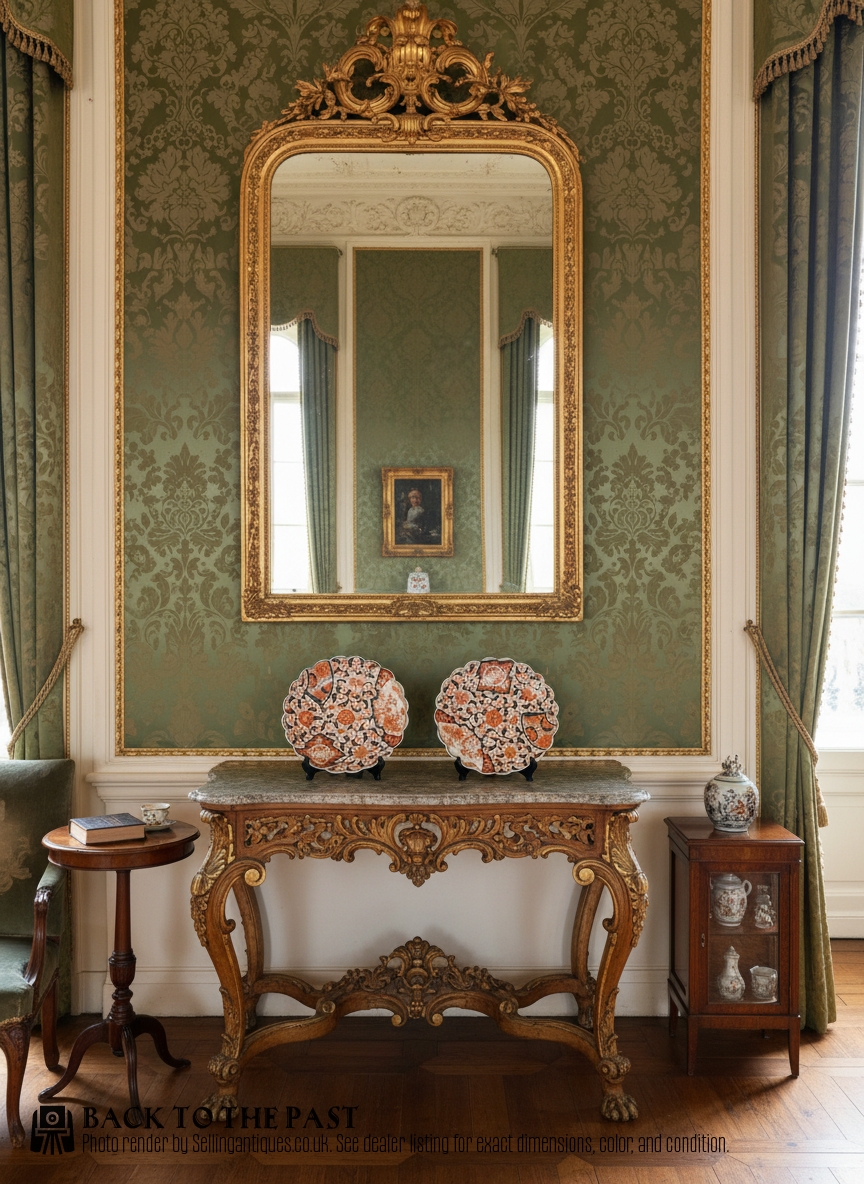
Many large chargers and reticulated baskets served decorative display functions in wealthy interiors. Smaller bowls and plates accommodated dining and service.
Over time, grand chargers transitioned primarily into wall-mounted or cabinet display pieces due to their artistic value.
How should I display a large charger?
Large chargers require secure wall hangers designed for heavy porcelain or dedicated plate stands with a sturdy base. Placing them away from direct sunlight preserves the enamel and gold leaf.
Ensuring proper support protects the rim and foot ring from undue stress.