





Oriental Ceramic Charger
An oriental ceramic charger offers bold painted colour and scale, bringing substantial decorative presence to a room through centuries of Asian and English ceramic tradition.
Oriental Ceramic Charger
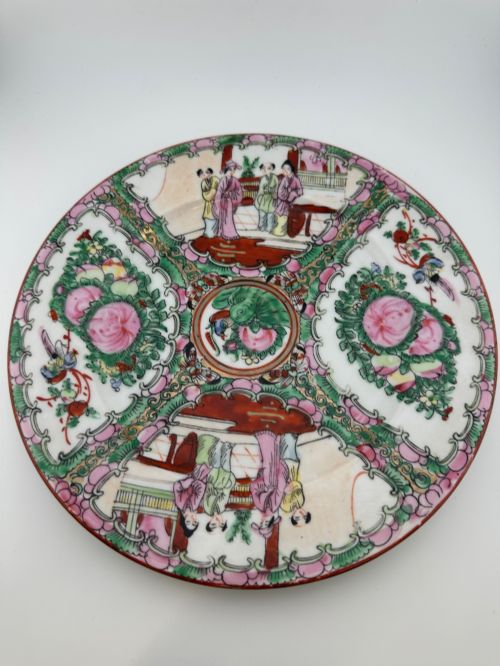
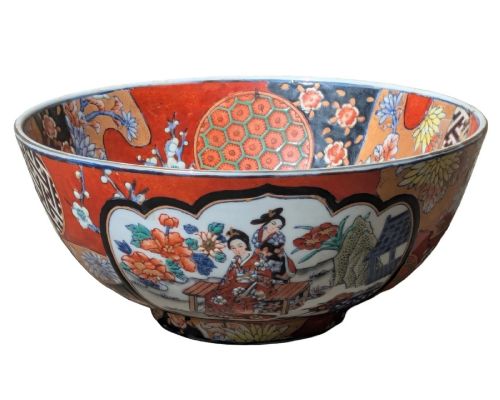
When you search for an oriental ceramic charger, you encounter large decorative plates and platters designed primarily for display rather than dining. These substantial pieces originate from diverse periods spanning the seventeenth century through to the early twentieth century, encompassing both Chinese export wares and Japanese studio traditions.
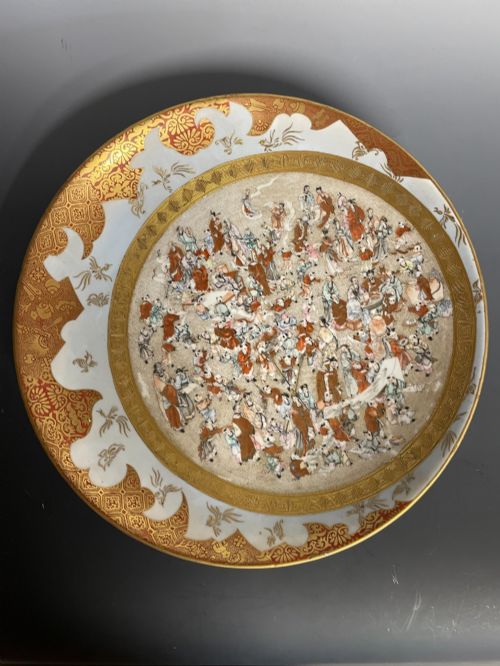
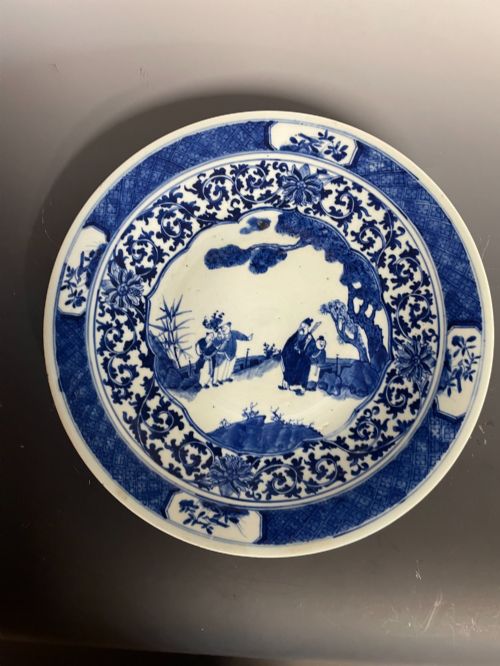
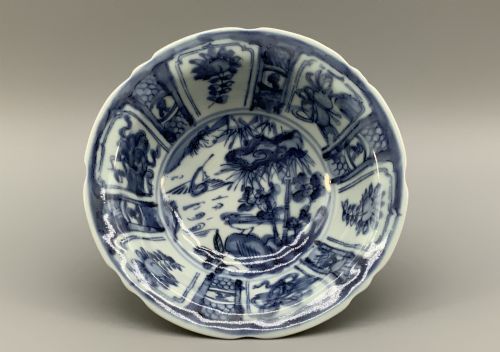
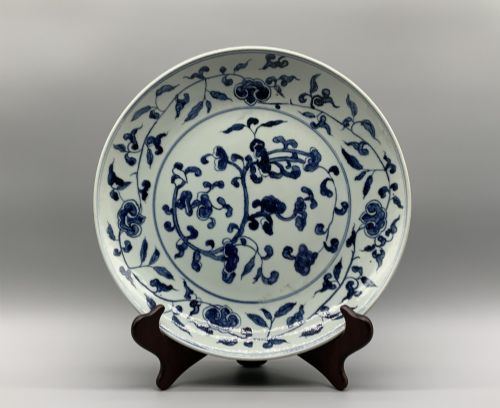
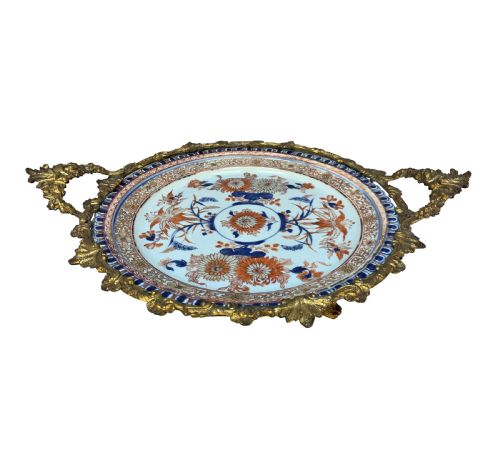
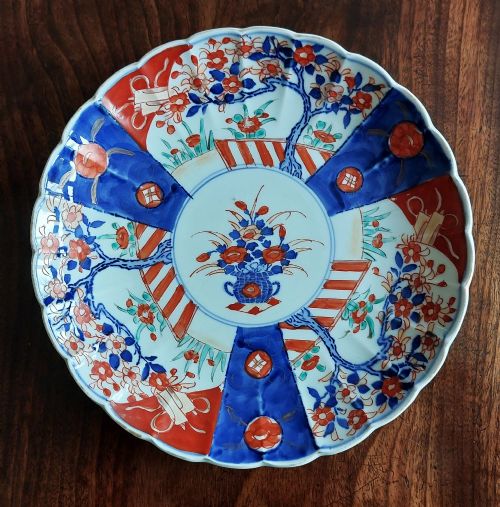
The most common examples on this page are Japanese Imari chargers from the Meiji period and around nineteen hundred, alongside Chinese blue and white porcelain pieces from the Kangxi and Qing periods. You also find Satsuma wares, Kutani dishes, and occasional English transferware platters influenced by these eastern designs.
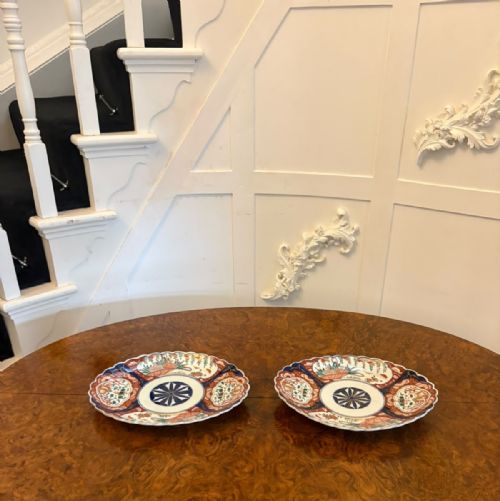
Forms vary from classic circular chargers to scalloped, hexagonal, and square plates, as well as deep bowls and serving platters. Their primary purpose remains visual impact, whether mounted on walls or displayed on tables and cabinets.
How they were made
Makers shaped these chargers from porcelain and earthenware, applying mineral pigments beneath or over the glaze before firing them in kilns. Cobalt underglaze provides the deep blue tones found on early Chinese and Japanese blue and white pieces.
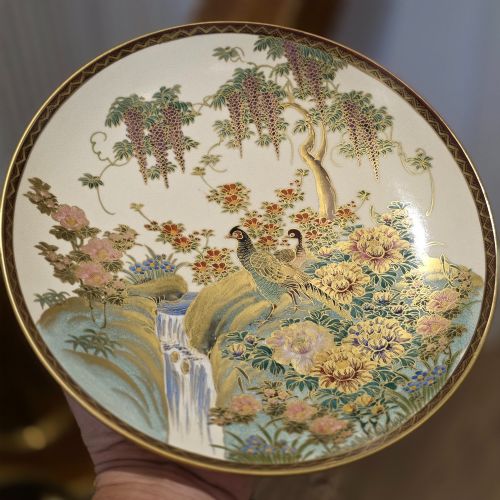
Enamel colours, gold leaf, and gilt highlights are frequently added over the glaze to build up rich polychrome patterns such as traditional Imari designs. Specialised techniques like moriage build up raised enamel details, creating tactile floral and avian motifs.
Several chargers proudly feature intricately painted exotic birds peering across botanical scenes of wisteria and peonies.
What varies in quality
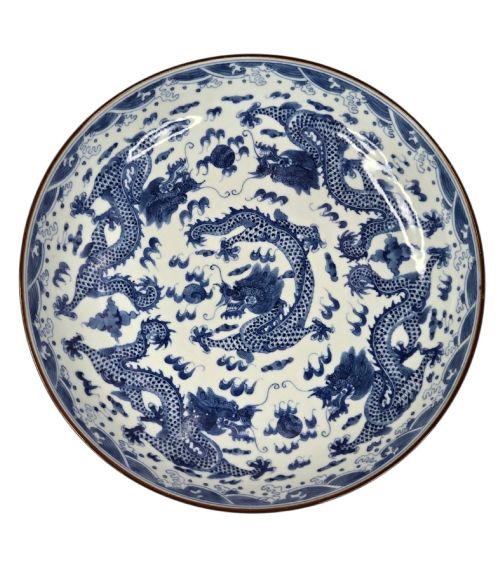
The standard of a charger depends heavily on the crispness of the hand-painted brushwork and the complexity of the design. Pieces featuring detailed exotic birds, dragons, or intricate floral scenes display superior artistic control.
The depth and brilliance of the cobalt underglaze, alongside the careful application of gilt and enamel, separate standard production items from exceptional works. The weight, symmetry, and finish of the porcelain body further define the grade of the object.
Koshida·John Rogers and Son
The Oriental Ceramic Charger Glossary
- Imari
- A style of Japanese porcelain decorated in underglaze blue, iron red, and gold, named after the port from which it was shipped to Europe. This palette became immensely popular across the west during the seventeenth and eighteenth centuries.
- Kangxi Period
- A major era of Chinese porcelain production under the Qing Dynasty lasting from sixteen sixty-two to seventeen twenty-two. Pieces from this time are celebrated for fine cobalt blue painting and high-grade translucent porcelain bodies.
- Moriage
- A Japanese ceramic technique using clay slip applied to build up raised decorative dots and lines before glazing and firing. This method adds a distinct three-dimensional texture to floral and animal subjects.
- Blue and White
- A widespread ceramic decoration style utilising cobalt oxide pigment to paint designs directly onto clay before applying a clear glaze and firing. It defines much of early Chinese export trade and subsequent European imitation.
- Satsuma
- Japanese earthenware pottery featuring a crackled ivory glaze and elaborate polychrome enamel paintings enriched with gold. These decorative wares gained significant international attention during the Meiji period.
Oriental Ceramic Charger: Frequently Asked Questions
How were oriental ceramic chargers used?
These large plates and dishes were primarily made for grand display on sideboards, tables, or walls rather than for serving food at the table. Their generous scale allowed artisans to showcase complex pictorial and floral designs.
In European and Asian interiors alike, they functioned as high-status decorative objects that reflected the owner's taste for international trade goods.
How do I tell Chinese from Japanese chargers?
Chinese pieces often feature distinct underglaze blue painting from the Kangxi or Qing periods, alongside fine dragon motifs or export designs. Japanese chargers frequently utilise the vibrant Imari palette of iron red, dark blue, and gold, or Satsuma earthenware.
Examining the underlying clay body, glaze texture, and typical stylistic motifs generally clarifies the origin of the piece.
What is Meiji period porcelain?
The Meiji period spans from eighteen sixty-eight to nineteen twelve in Japan, marking an era of major artistic output directed partly at the export market. Porcelain and pottery from this time display exceptional technical skill in enamel painting and gilding.
Chargers from this era often combine traditional motifs like birds and wisteria with bold decorative framing.
How should I display an antique charger?
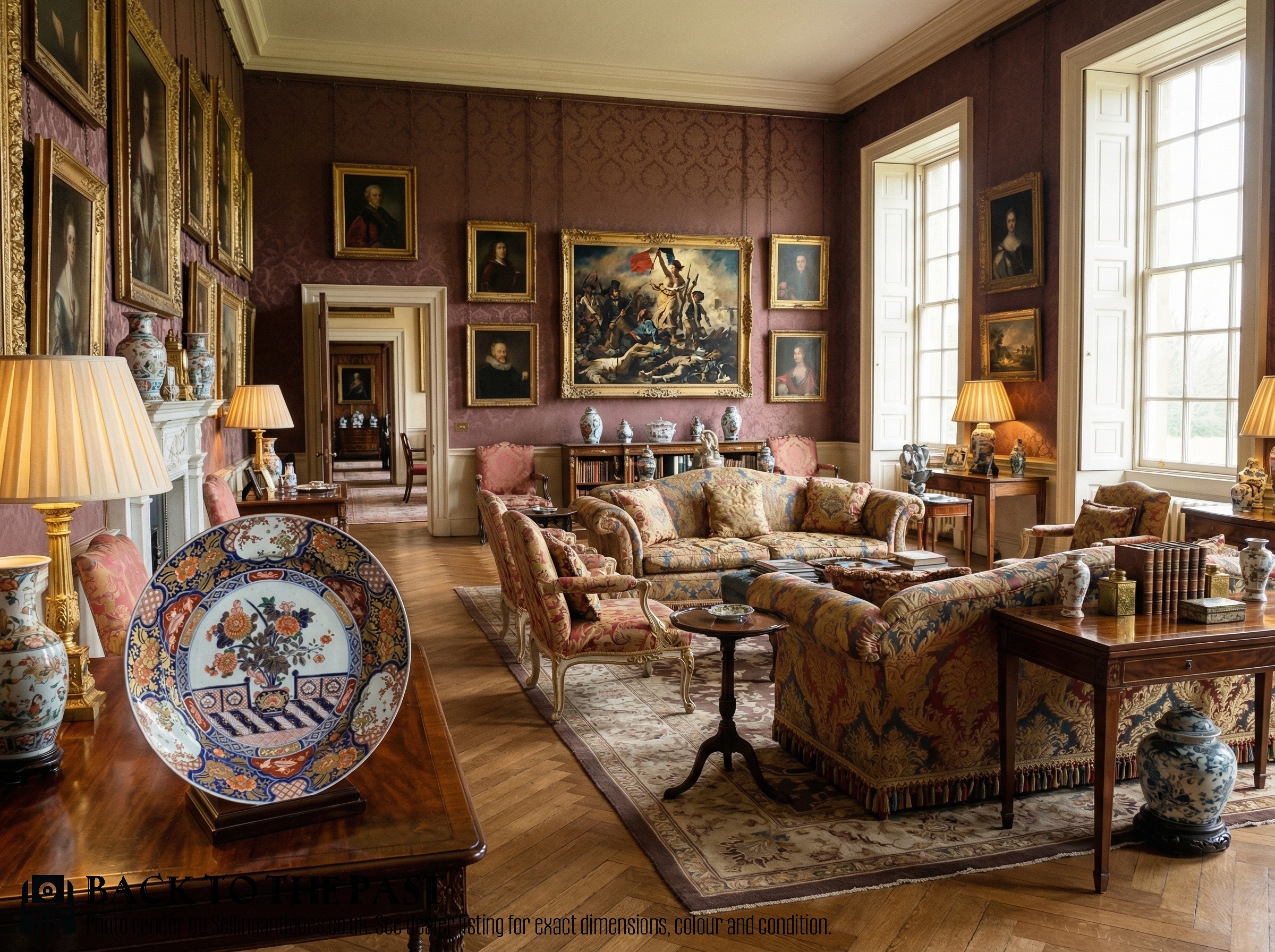
Antique chargers require secure wall mountings designed specifically for heavy plates, or sturdy plate stands with adequate depth to support their weight safely. Placement should avoid direct, harsh sunlight to protect overglaze enamels and gilt highlights from fading.
Allowing sufficient space around the piece ensures its visual scale and painted details remain the focal point of the room.