





Oriental Ceramic Charger Plate
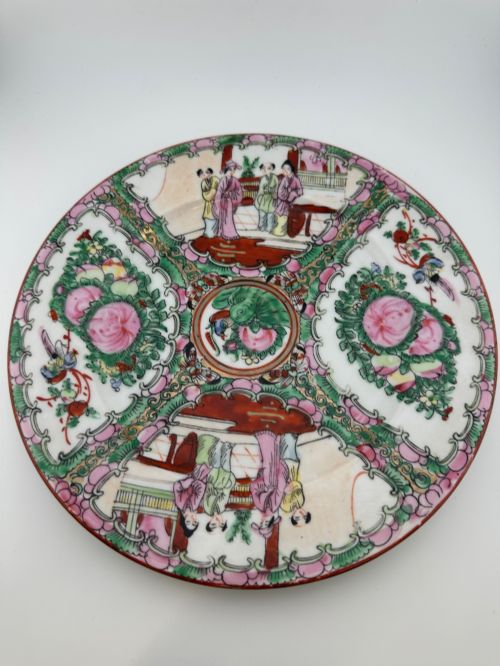
An oriental ceramic charger plate brings bold hand-painted patterns and substantial scale into a room, spanning centuries of Asian and British ceramic traditions.
Oriental Ceramic Charger Plate
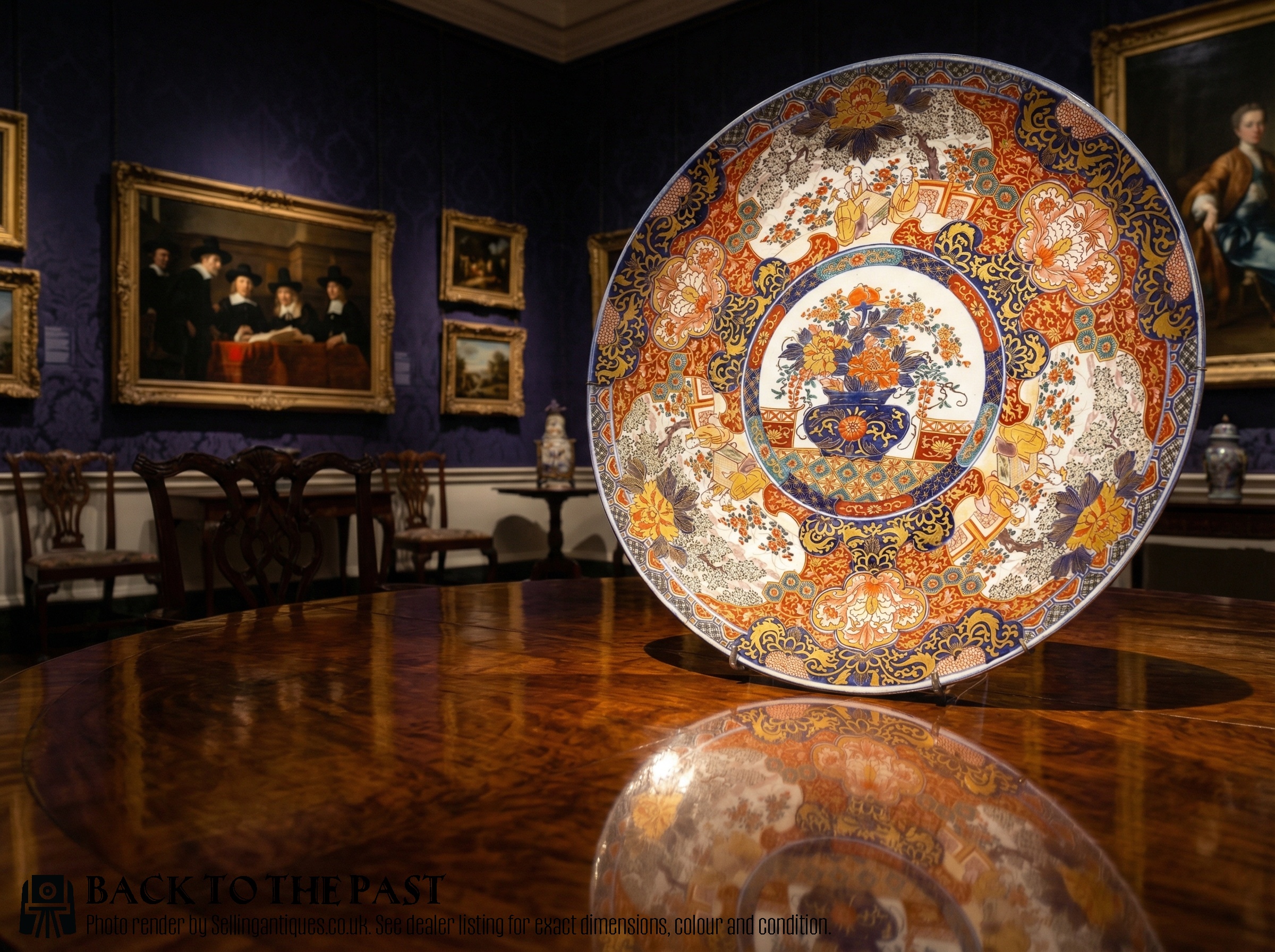
An oriental ceramic charger plate stands out through its generous diameter, designed originally for formal service or grand display. When you search for this phrase, you encounter large decorative platters and dishes intended to anchor a wall or cabinet.
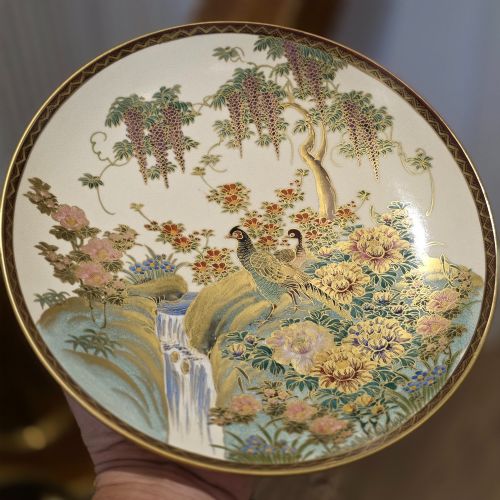
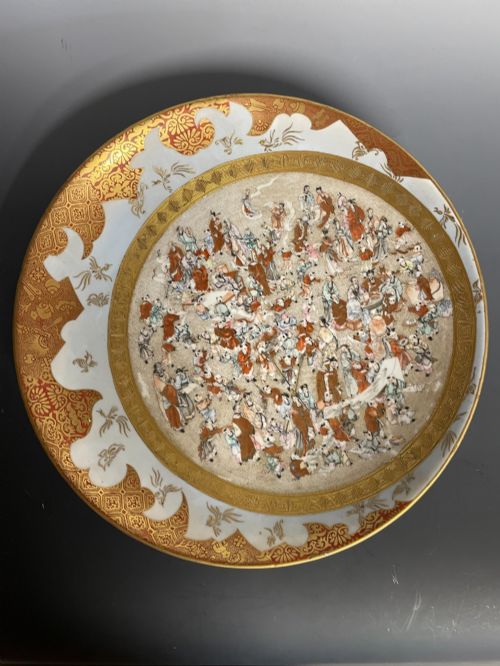
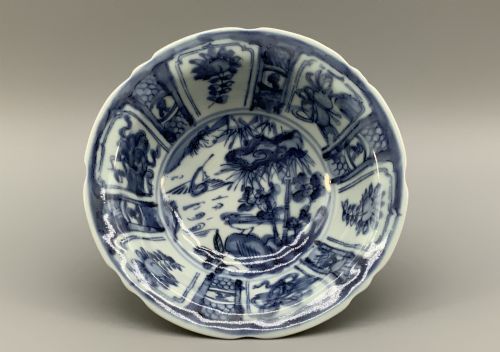
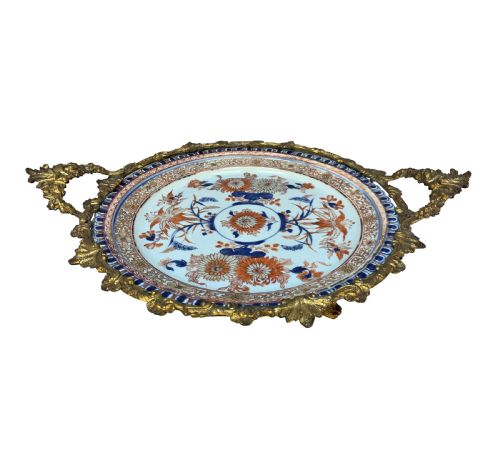
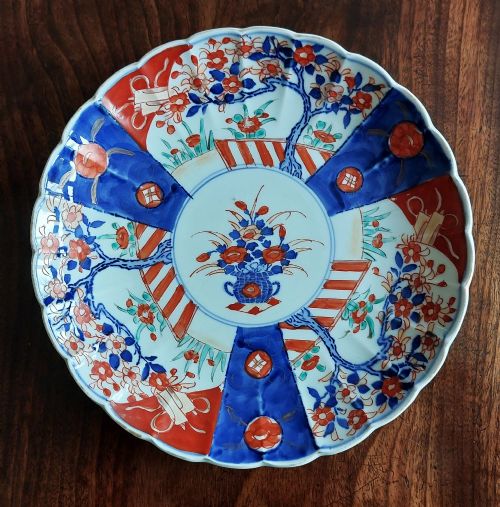
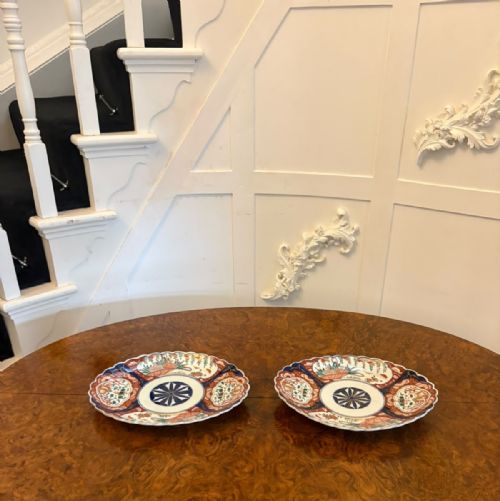
The selections span distinct periods, running from early Chinese wares of the seventeenth and eighteenth centuries to nineteenth-century Japanese Meiji Imari pieces. You will meet numerous Japanese Imari examples featuring scalloped edges, hexagonal or square shapes, and intricate blue, white and iron-red palettes.
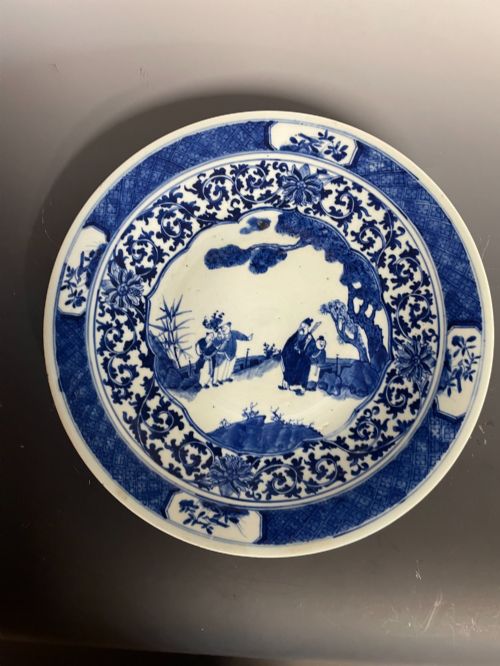
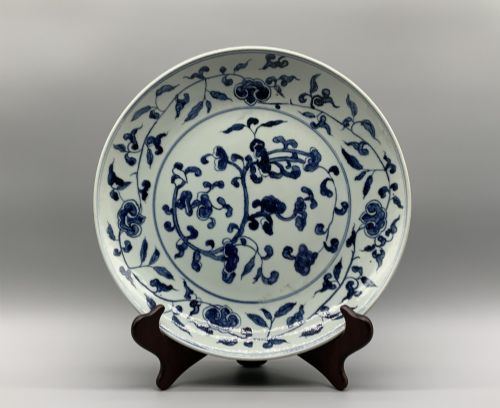
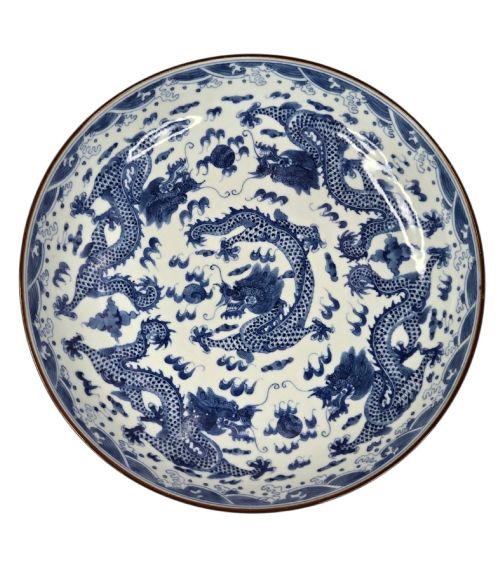
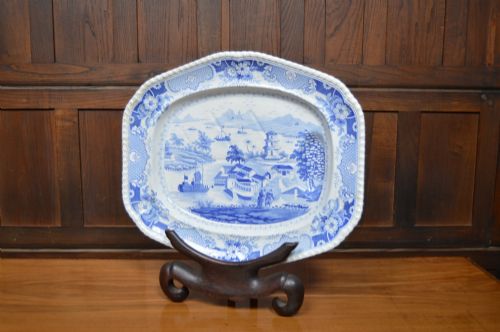
Beyond Japanese works, the offerings include Chinese export porcelain, Kangxi period blue and white bowls, and Qing Dynasty dragon chargers. Alongside these Asian imports, Victorian transferware platters appear, showing how British potteries interpreted eastern motifs.
Materials and Craftsmanship
Potters shaped these plates from fine porcelain or earthenware, applying cobalt underglaze for deep blue tones before firing. Artisans then layered enamel pigments and gold leaf over the glaze to build up complex pictorial scenes of birds, florals and dragons.
Many Japanese pieces relied on the Arita tradition, utilising cobalt blue and rich iron-red enamel. Chinese workshops employed similar high-heat kilns, occasionally mounting completed porcelain plates in ormolu to elevate their status for European drawing rooms.
Materials recorded across the selection include porcelain, earthenware, cobalt glaze, gold leaf, and ormolu mounts.
Judging Quality and Execution
Quality rests primarily on the crispness of the hand-painted brushwork and the vibrancy of the enamel and gilt application. Finer pieces display precise detailing in feathered birds, floral borders and dragon scales, whereas lesser examples show hurried lines and muddy cobalt transfer.
The ambition of the form also dictates standing, with standard round plates sitting below moulded hexagonal, square or scalloped edges that demanded greater skill from the potter. Preserved surface integrity, minimal enamel rubbing, and balanced weight in large chargers mark the upper tier of the range.
Koshida·John Rogers and Son·J.W.R.
The Oriental Ceramic Charger Plate Glossary
- Charger
- A large decorative plate or platter exceeding standard dining dimensions. Originally used for ceremonial service, it is primarily intended for wall display or table centrepieces.
- Imari
- A style of Japanese export porcelain originating from Arita, typically characterised by a palette of cobalt blue, iron-red, and gilt highlights.
- Cobalt Underglaze
- Pigment applied to the ceramic body before the glaze and high-temperature firing. This technique protects the deep blue colour beneath a glassy, permanent seal.
- Meiji Period
- The era in Japanese history spanning from 1868 to 1912, noted for prolific export ceramics featuring complex bird, floral and landscape motifs.
- Transferware
- Earthenware decorated by applying a printed design from an engraved copper plate onto the ceramic surface. This method allowed British potteries to mass-produce intricate oriental patterns during the Victorian era.
Oriental Ceramic Charger Plate: Frequently Asked Questions
How were oriental charger plates displayed?
These large plates were designed to dominate a room, often set on sideboards or mounted directly onto walls using specialist wire hangers.
Their substantial scale allowed households to showcase intricate cobalt blue or brightly enamelled designs across dining and reception spaces.
What is the difference between Imari and blue and white?
Blue and white porcelain relies solely on cobalt pigment beneath a clear glaze, creating a crisp, two-tone finish associated with periods like the Kangxi reign.
Imari introduces a tripartite palette incorporating iron-red enamel and gold leaf over the glaze, resulting in a much busier and more colourful surface.
Can I use antique chargers for serving food?
While these pieces originated as functional tableware or display platters, antique porcelain and earthenware require careful handling today.
Surface enamels, delicate gilt edges, and age-related hairline cracks mean modern owners generally keep them strictly for decorative display.
How do I identify a Meiji period piece?
Meiji period ceramics, dating from the late nineteenth and early twentieth centuries, frequently display dense patterns involving exotic birds, wisteria and peonies.
They often combine deep cobalt blue with heavy Moriage enamel work, creating a textured surface that stands proud of the porcelain body.