


Oriental Bronze Pot
An oriental bronze pot brings tactile weight and rich patination to a room, offering enduring craftsmanship from nineteenth and early twentieth century workshops.
What these pieces are
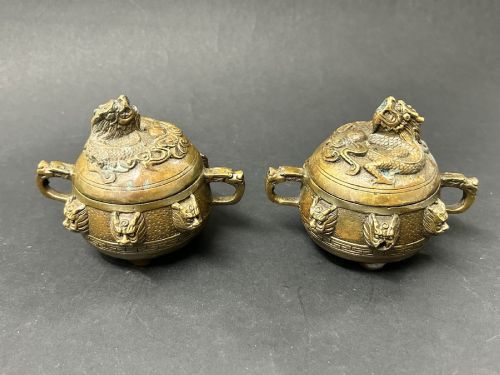
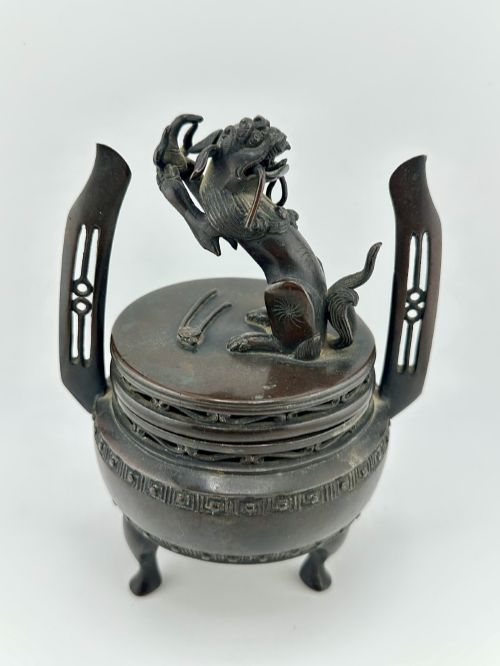
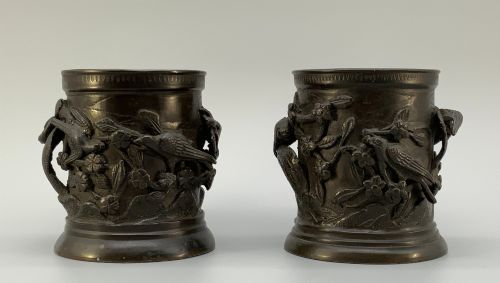
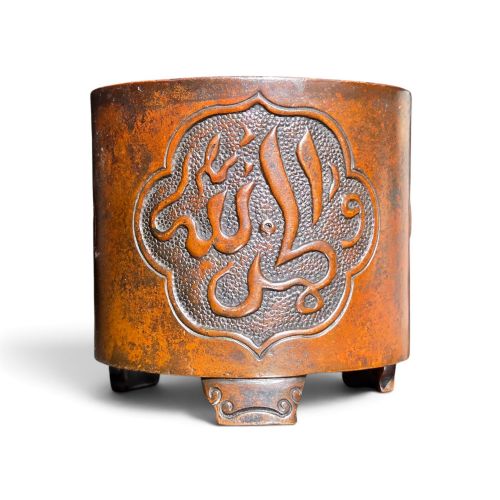
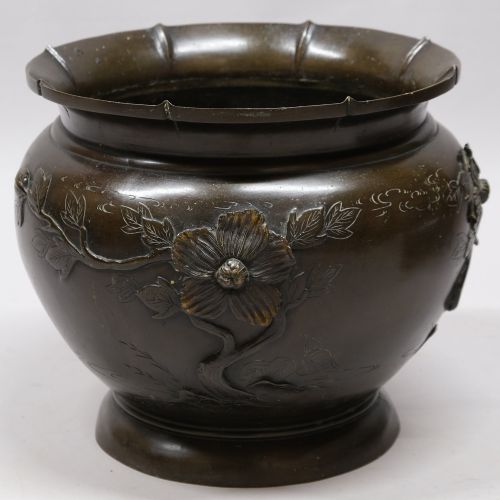
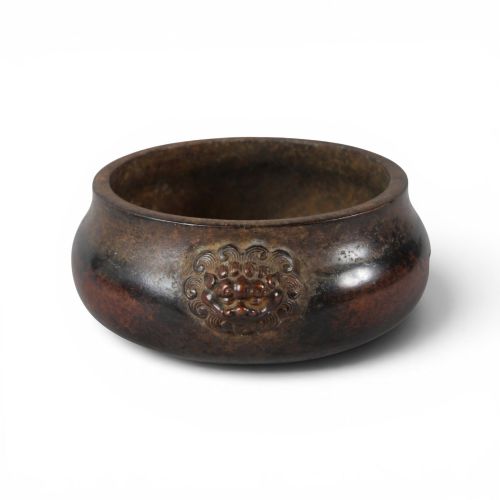
You are most likely to meet Japanese Meiji period examples and late Qing dynasty pieces among the current items. These range from heavy miniature vessels to substantial lidded or open planters adorned with surface ornamentation.
Forms vary from delicate brush pots to imposing jardiniere pots intended for botanical display. The origins bridge Japanese, Chinese, and Siamese traditions, sometimes intersecting with Victorian decorative tastes.
How they were made
These vessels utilise bronze, copper alloy, and patinated bronze as foundational materials. Artisans shaped the heavy metal bodies through casting, achieving substantial wall thickness particularly seen in miniature scholar objects and large jardiniere pots.
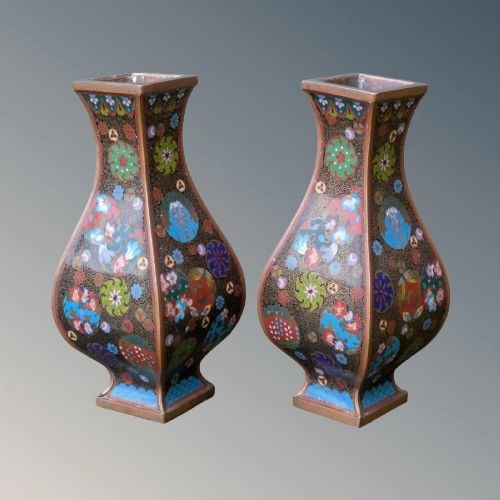
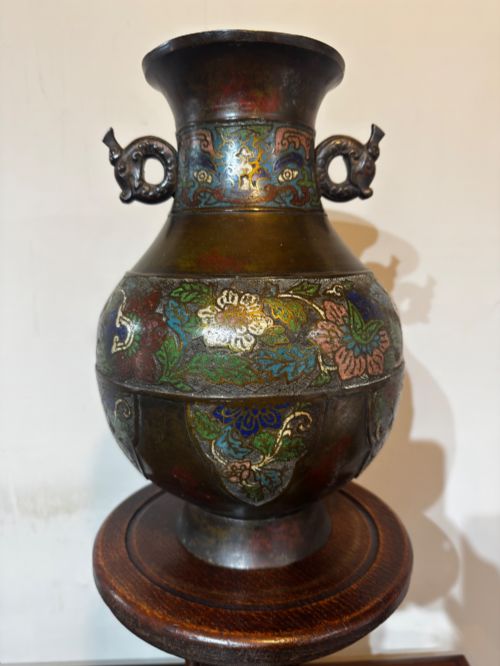
Surface enrichment involves techniques such as champleve and cloisonne enamel work. Makers applied chemical treatments or natural ageing processes to generate fine patination across the exterior surfaces.
Retail Price Guide 2026
Typical UK retail prices for oriental bronze pot, calculated from the Sellingantiques database of over a million retail prices indexed since 2003. This retail price guide relies exclusively on Sellingantiques data; no external sources or auction records are used, so the figures do not describe the wider market.
Listings feature items from the nineteenth century, nineteen hundred, the Victorian era, eighteen eighty, and nineteen twenty, constructed from bronze, enamel, copper alloy, and patinated bronze.
What varies in quality
Quality rests in the precision of the casting and the depth of the metalwork. Heavyweight pieces demonstrate superior substance compared to lighter, thinner alternatives.
The sophistication of the surface finish dictates the upper tier of the range. Fine patination and meticulous application of enamel work separate standard decorative items from exceptional examples.
The Oriental Bronze Pot Glossary
- Patinated bronze
- Bronze that has developed a surface coloration through chemical interaction or age. This finish enhances the visual texture of the metal.
- Champleve
- An enamelling technique where troughs are carved into the bronze surface and filled with vitreous enamel before firing. It creates bold, colourful patterns against the metal grid.
- Cloisonne
- A method where wire compartments are soldered onto the bronze body and filled with enamel pastes. The resulting design displays intricate boundaries between colours.
- Jardiniere
- An ornamental pot designed to hold a plant or floral arrangement. These vessels often feature wide openings and sturdy bases.
- Censer
- A vessel used for burning incense, typically featuring a lid and a heavy bowl. Scholar examples are prized for their intimate scale and tactile weight.
Frequently Asked Questions
What is an oriental bronze pot used for?
These vessels historically served various decorative and functional purposes, ranging from scholar studio accessories to interior plant displays. Incense burners held aromatic materials, while brush pots organised writing instruments.
Today, collectors utilise them as sculptural table centrepieces or planters. Their robust construction allows them to integrate into contemporary and traditional interiors alike.
How do I date a bronze pot?
Dating relies on stylistic markers, manufacturing techniques, and recorded periods such as the Meiji era or late Qing dynasty. Epigraphic marks or signatures on the base occasionally provide specific chronological clues.
Examining the type of patination and the precision of the alloy casting helps differentiate nineteenth-century examples from later twentieth-century reproductions.
What is the difference between champleve and cloisonne?
Champleve involves carving recesses directly into the bronze body to hold enamel, leaving thick walls of exposed metal between the coloured areas. It results in a robust, integrated surface.
Cloisonne utilises thin metal wires soldered onto the surface to form cells for the enamel. This technique permits finer, more intricate pictorial designs.
How should I clean my bronze pot?
Maintain the surface by dusting gently with a soft, dry cloth. Avoid chemical polishes or abrasive cleaners, which strip away the historic patination.
Preserving the original aged finish is essential for maintaining the character and visual integrity of the metal.