

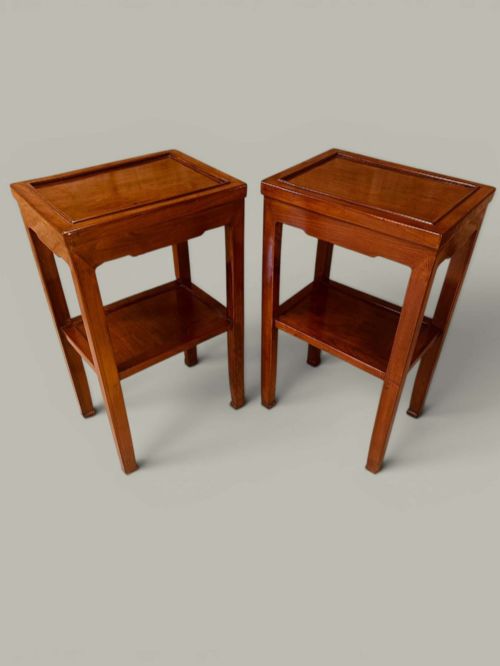
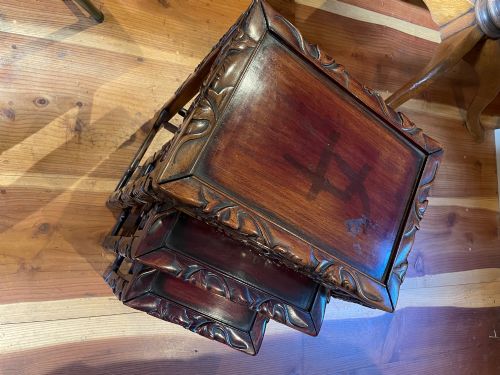

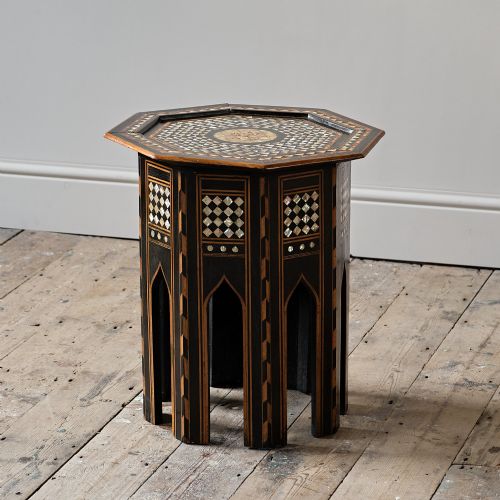

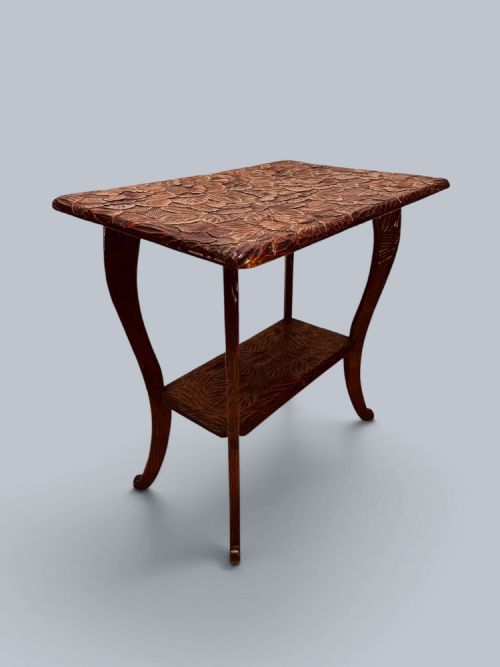




Oriental Accent Table
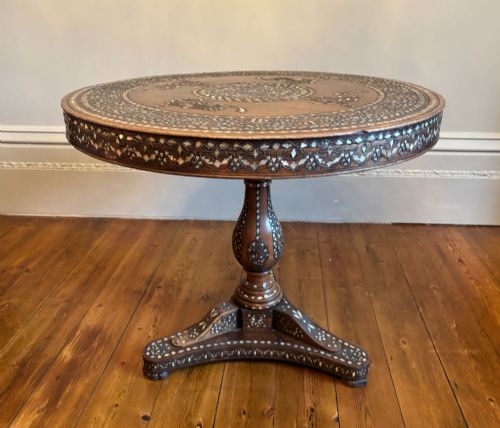
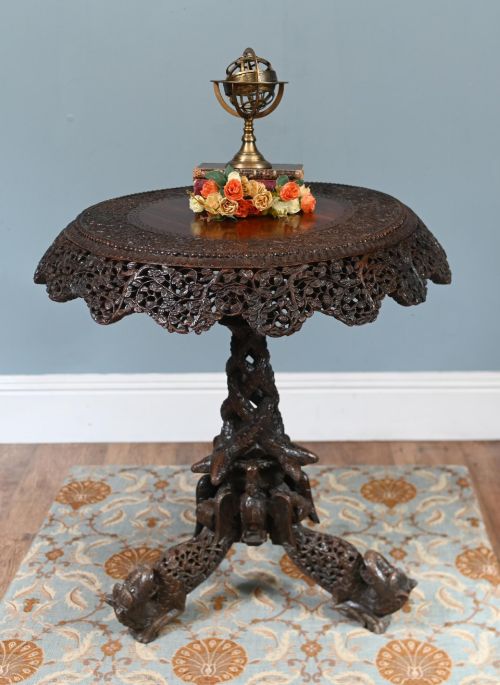
An oriental accent table brings texture and distinct regional craftsmanship into a room through rich lacquer, carved hardwood or intricate inlay.
Oriental Accent Table
When searching for an oriental accent table, buyers encounter a diverse selection of low tables, side tables, plant stands and occasional tables drawing upon traditions from China, Japan, India and the wider East. These pieces range from nineteenth-century hardwood and rosewood constructions to early twentieth-century lacquered surfaces and painted designs.
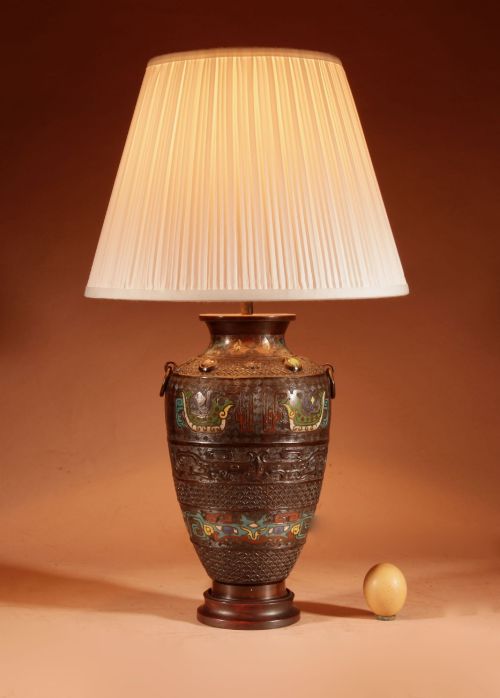
The domestic forms seen most frequently on this page include occasional tables, side tables, plant stands and table lamps adapted from oriental vessels. Materials span Chinese elm, rosewood, hardwood, lacquer, marble, brass, bone and mother-of-pearl inlay.
Originating across different periods from the Victorian era through the early twentieth century, these tables reflect global design exchanges, including Chinoiserie, Anglo-Indian, Kashmiri and Japanese aesthetic movements. Each item functions as a functional surface that introduces distinct cultural and material history to an interior.
Materials and construction methods
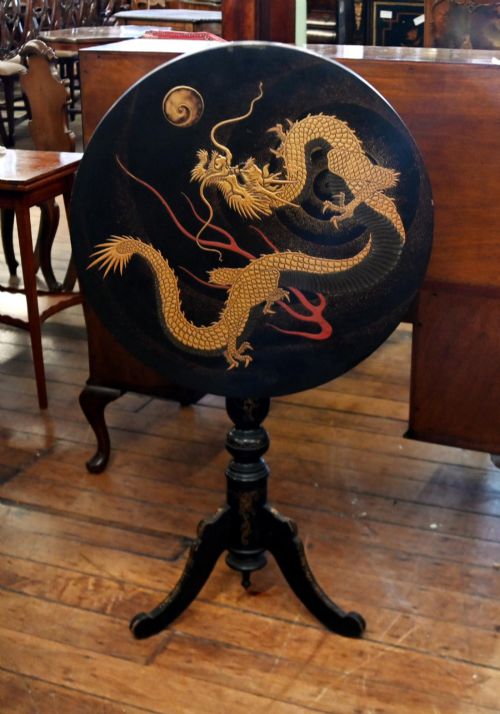
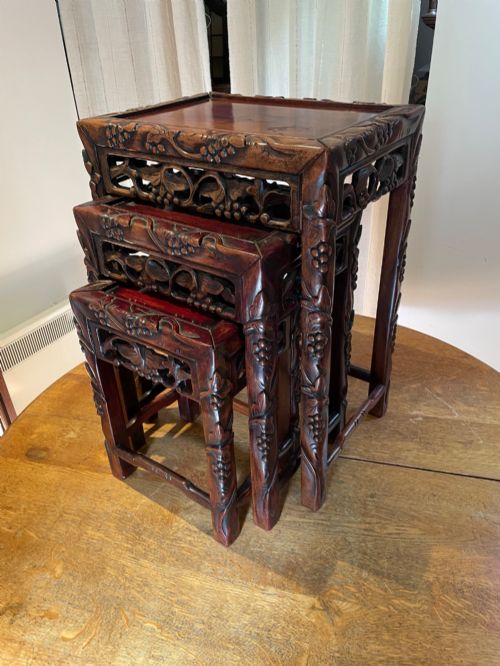
Artisans built these tables using dense timbers such as Chinese elm, rosewood, amboyna and general hardwoods, often employing traditional joinery suited to structural stability without metal fasteners. Surfaces frequently received layers of black or coloured lacquer, hand-painted gilt decoration, or intricate carvings depicting birds, flowers and traditional scenes.
Decoration relied heavily on contrasting materials set into the wood or metal armature. Workshops applied bone, mother-of-pearl, brass wire and marble inserts, alongside detailed bronze and champlevé elements for lighting components and decorative accents.
Oriental Accent Table Retail Price Guide 2026
Typical asking prices for oriental accent table among the pieces listed under this phrase on Sellingantiques today, from the lower quarter to the upper quarter. They describe what is for sale here now, not the wider market.
Listings feature pieces spanning the nineteenth century up to the 1930s, incorporating materials such as marble, brass, lacquer, and rosewood.
Quality factors in craftsmanship
Quality rests upon the depth and precision of hand-carving, the structural integrity of the timber joints, and the durability of the lacquer or inlaid elements. Finer examples display crisp detail in mother-of-pearl and bone inlay alongside stable, seasoned hardwoods that resist seasonal movement.
The distinction between standard production and exceptional work lies in the hand-painted artistry on lacquered surfaces and the integration of specialised materials like marble inserts, cloisonné sections or stamped maker attribution such as Liberty and Co.
Liberty and Co·Gabriel Viardot
The Oriental Accent Table Glossary
- Chinoiserie
- European artistic style reflecting Chinese motifs and decorative techniques. This style gained immense popularity during the Victorian and Edwardian periods.
- Cloisonné
- Enamelling technique where artists solder metal wires onto a base to create compartments filled with enamel paste. These sections are then fired and polished.
- Hongmu
- Chinese term translating to red wood, used to describe dense, dark hardwoods such as rosewood. It forms robust furniture structures.
- Champlevé
- Enamelling method where troughs or cells are carved into a metal surface and filled with vitreous enamel before firing. It frequently appears on bronze table lamps.
- Japonisme
- Late nineteenth-century European fascination with Japanese art and aesthetics. This movement heavily influenced furniture design and decorative objects.
Oriental Accent Table: Frequently Asked Questions
What defines an oriental accent table?
These tables are low surfaces, side tables, or plant stands produced in various Asian styles or European interpretations of Eastern aesthetics. They utilise traditional materials like lacquer, rosewood, and elm.
Buyers select them to anchor a room with distinct regional carving, mother-of-pearl inlay, or hand-painted Chinoiserie decoration that contrasts with standard western furniture.
How were these tables used originally?
In their historical contexts, these forms served as occasional surfaces for tea, display stands for precious vases and plants, or functional work tables. Some items functioned as small cabinets or portable writing surfaces.
Today, they adapt easily beside seating as coffee tables, lamp tables, or independent decorative accents within contemporary interiors.
How do I date a Chinese elm table?
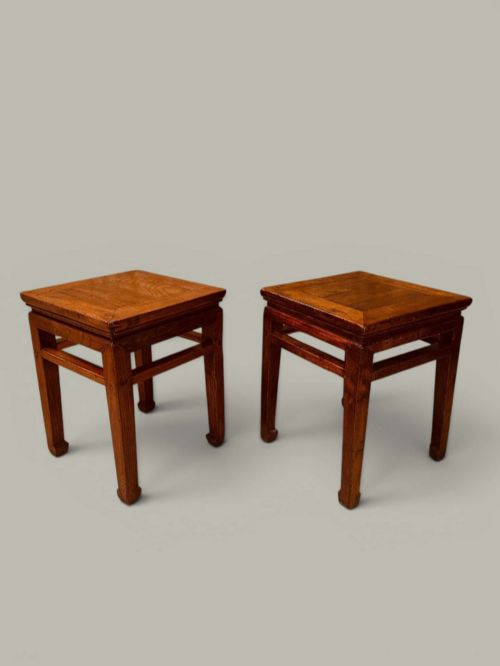
Dating relies on assessing the construction methods, tool marks, and the specific patina of the timber. Nineteenth-century examples often display hand-cut joinery and aged surface wear specific to domestic use.
Later twentieth-century versions show different milling techniques and distinct finishing agents that help separate older provincial items from later interpretations.
How do I care for lacquered surfaces?
Lacquered and gilt surfaces require gentle dusting with a soft, dry cloth to prevent scratching the delicate finish. Avoid placing them in direct sunlight or near heat sources.
Maintaining stable indoor humidity protects both the underlying wood and the delicate lacquer or inlay work from cracking over time.